

Engineering Insights from AppMatic Tech
AppMatic Tech documents every significant engineering decision made across 330+ products shipped from Ahmedabad, India since 2017. Each post covers a specific build pattern, architecture tradeoff, or integration approach in MCP server development, IoT, mobile, or SaaS. No filler. No opinion without proof.
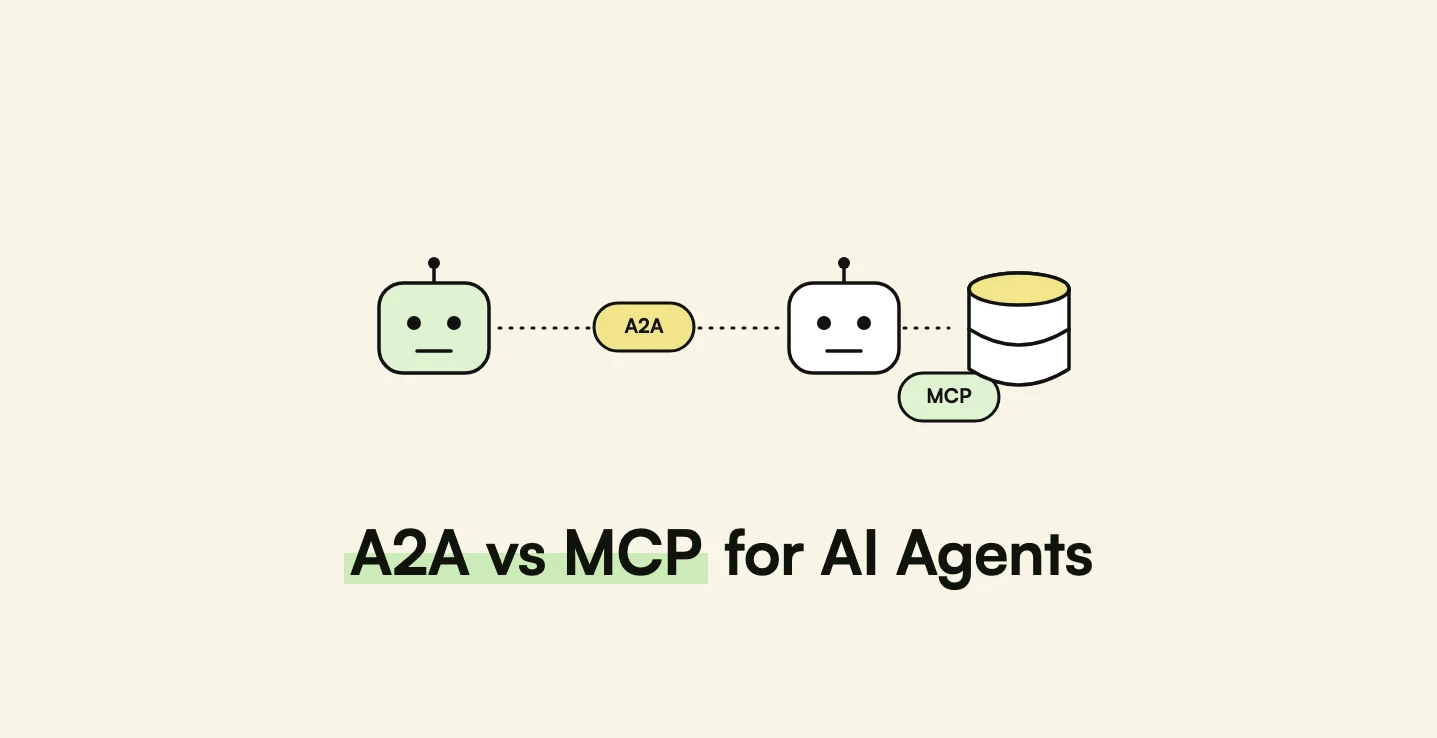
A2A vs MCP: How AI Agents Talk to Each Other and to Business Systems (2026)
MCP connects an AI agent to tools and data. A2A connects one AI agent to another, across teams and companies. AppMatic Tech explains how the Agent2Agent protocol works, how A2A and MCP differ, when a business needs one, the other, or both, and the security controls a combined agent architecture requires in 2026.

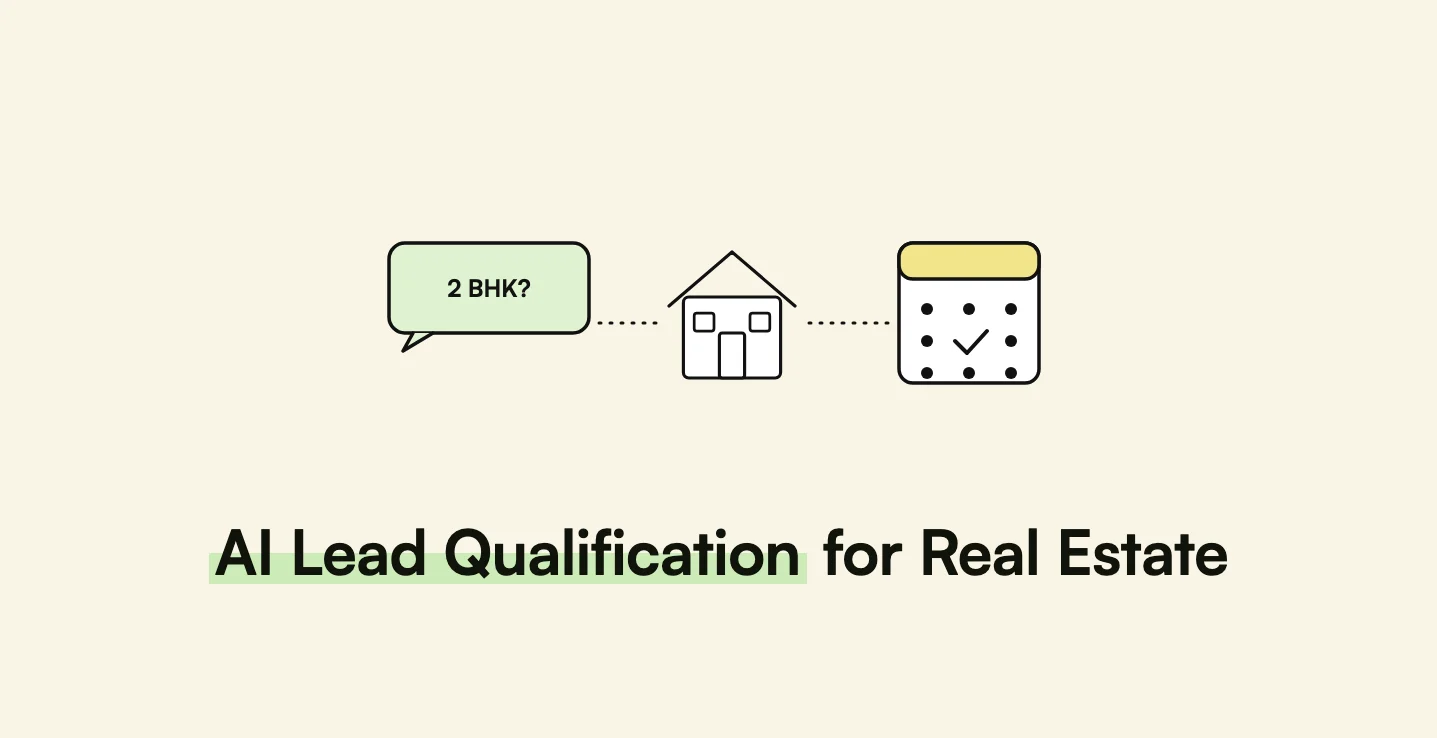
AI Lead Qualification for Real Estate: How AI Agents Qualify Buyers, Match Listings, and Book Viewings
Property enquiries arrive at night, on weekends, and on WhatsApp, and most enquiries never get a fast, useful answer. AppMatic Tech explains how an AI lead qualification agent responds instantly, asks the right questions, matches buyers to live listings without inventing properties, books viewings, and stays within TCPA, fair housing, UK, UAE, and Indian rules on automated contact.

AI Trip Planner App Development: Building an AI Travel Assistant That Plans and Books Real Inventory
Since October 2025, travellers can plan trips with Booking.com and Expedia inside ChatGPT, and every travel brand now needs an answer to AI trip planning. AppMatic Tech explains how to build an AI trip planner that suggests only real places, checks live availability, respects opening hours and travel time, and hands off to booking, and when to build a ChatGPT app instead of a standalone assistant.
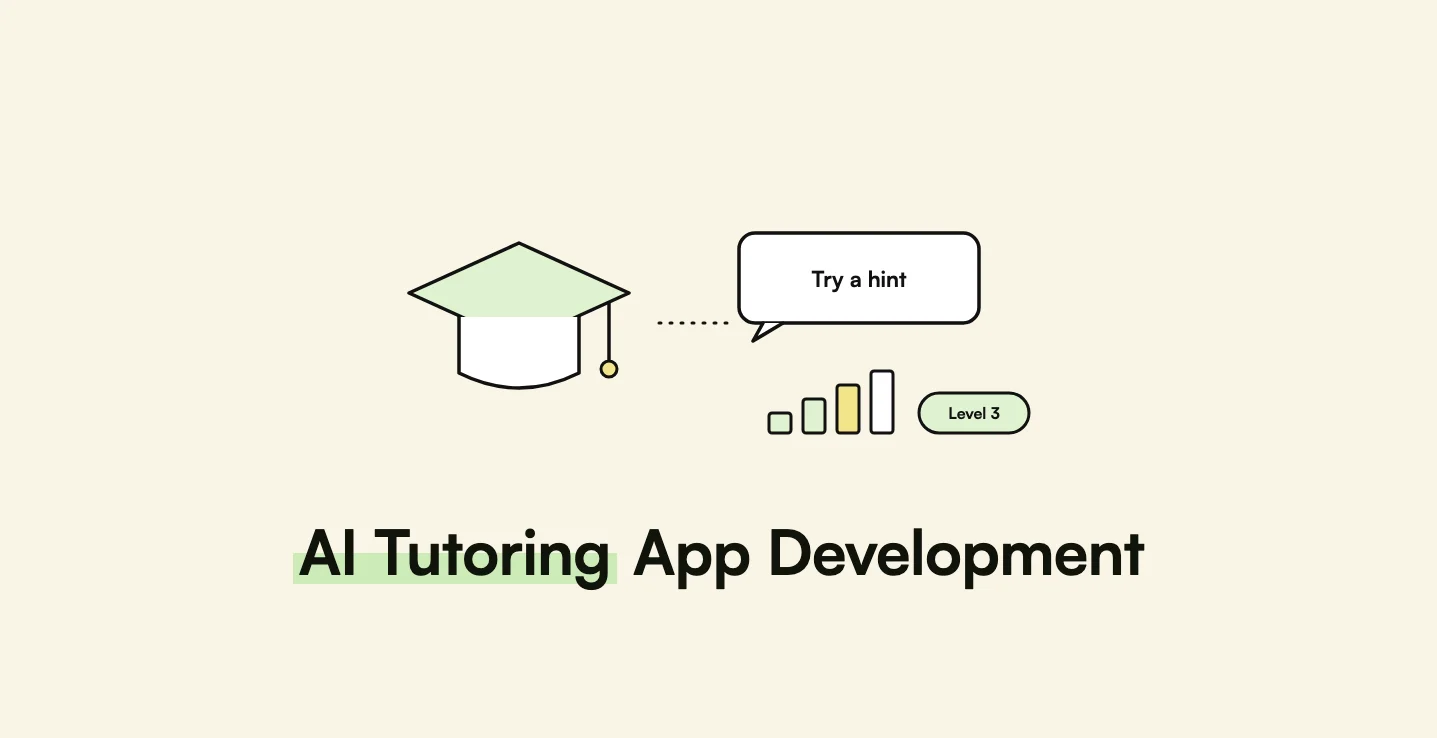
AI Tutoring App Development: Real-Time AI Tutors, Child Safety, and the Rules in the US, UK, EU, and India
An AI tutor that gives away answers teaches nothing, one that speaks above the learner's level loses the learner, and one that collects children's voices without consent breaks the law. AppMatic Tech, which built the FELA AI language tutor with 300,000+ downloads, explains how to build an AI tutoring app: pedagogy guardrails, proficiency control, real-time voice, teacher oversight, and children's data and AI rules by market.
Groq vs OpenAI vs Cerebras: How to Choose an LLM Inference Provider for Real-Time AI Apps
A voice tutor, a live support agent, and a batch report generator need different things from an LLM provider. AppMatic Tech, which runs FELA's sub-500ms AI conversations on Groq, explains time to first token versus throughput, cascaded pipelines versus speech-to-speech models, what the Nvidia and Groq deal means for GroqCloud users, and how to avoid inference lock-in.
HIPAA-Compliant App Architecture: What Has to Be Built In, and What the Proposed Security Rule Update Means
There is no HIPAA certificate an app can earn; HIPAA compliance is the sum of design decisions about where protected health information goes, who can see the information, and what happens when something fails. AppMatic Tech explains what a HIPAA-ready mobile and web app has to build in, the vendor agreements the app needs, and what the Security Rule changes proposed in January 2025 would add.
Hotel Channel Manager Integration: How Rates and Availability Sync Between a PMS, Booking Engine, and OTAs
Every hotel room sold on Booking.com, Expedia, and a direct website has to come out of one inventory, or the hotel overbooks. AppMatic Tech explains how channel managers sync availability, rates, and inventory between a property management system, a booking engine, and online travel agencies, why Booking.com paused new connectivity partners, what the EU's ban on parity clauses changed, and how to prevent overbooking.
Medication Adherence App Development: Reminders, Connected Devices, Pharmacy Refills, and Clinical Reporting
The WHO estimates that only about half of people with chronic conditions in developed countries take medicines as prescribed, and a reminder notification alone rarely fixes that. AppMatic Tech explains how to build a medication adherence app that works: reliable reminders, dose logging, connected inhalers and pill devices, pharmacy refills, caregiver and clinician views, and the regulatory line between reminders and dosing advice.
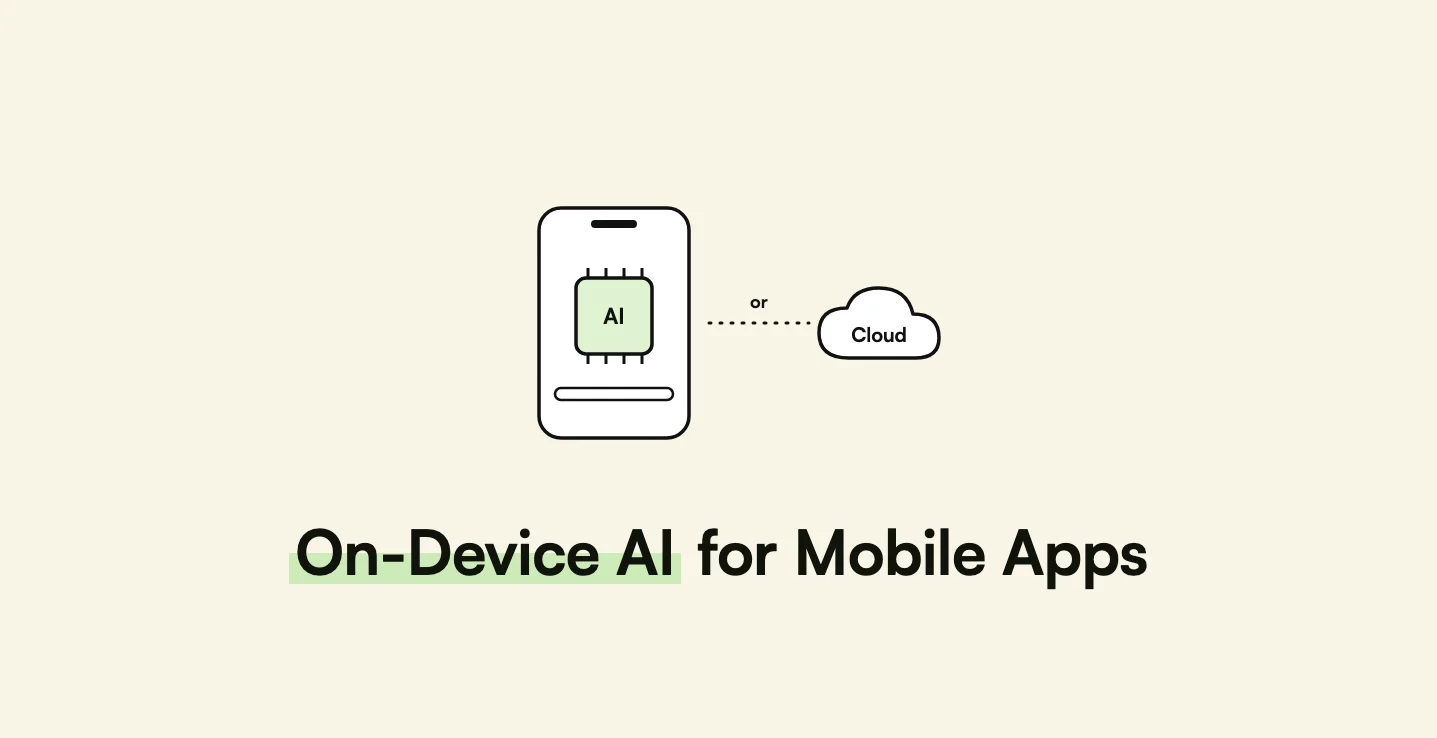
On-Device AI for Mobile Apps: Apple Foundation Models, Gemini Nano, and When to Use the Cloud (2026)
iPhones and Android phones now ship with language models that apps can call without a network connection or a per-request fee. AppMatic Tech explains what Apple's Foundation Models framework and Google's Gemini Nano offer developers, where on-device AI beats the cloud, where the cloud still wins, and how to architect a hybrid feature that works on every device.
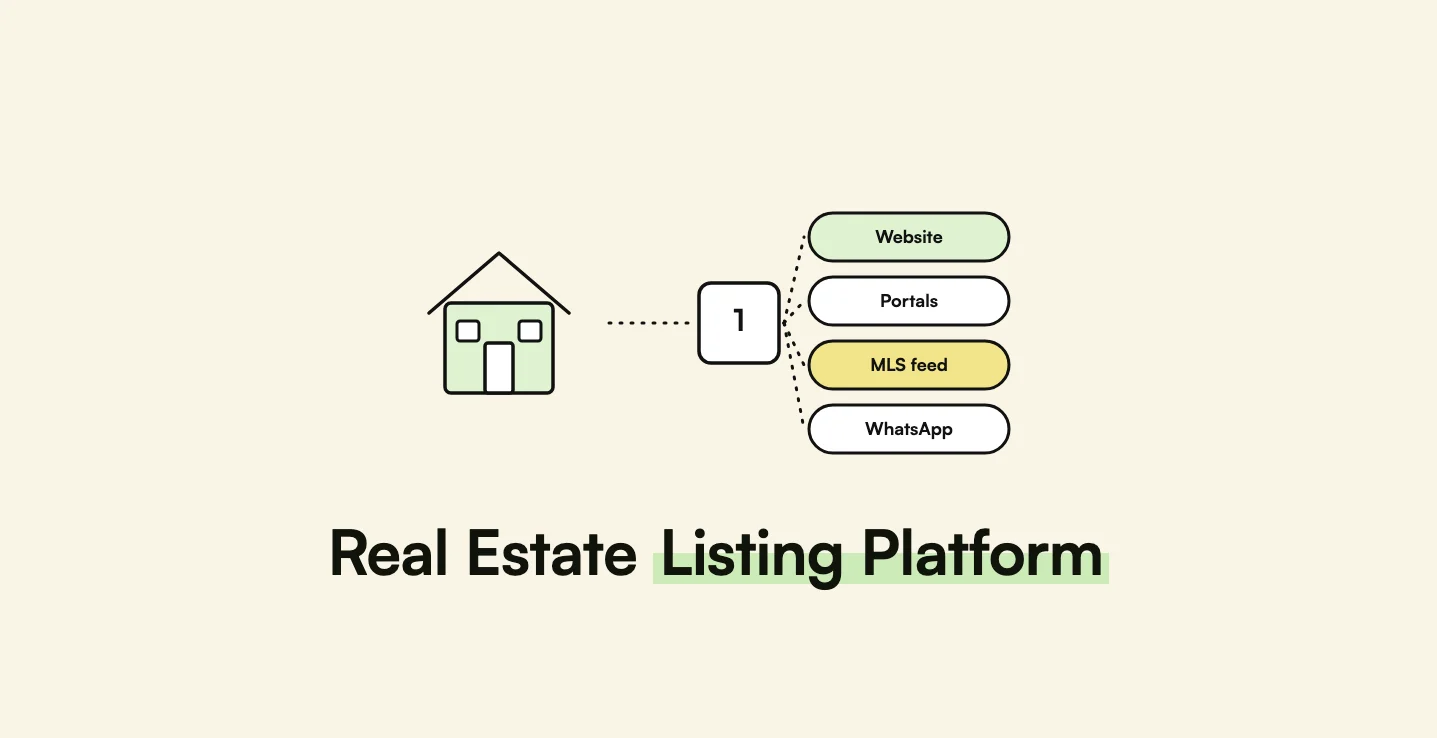
Real Estate Listing Platform Development: Portal Syndication, MLS Feeds, and Advertising Rules in the US, UK, India, and UAE
Agencies and developers still re-key the same property into four portals, chase leads across inboxes, and leave sold homes advertised for weeks. AppMatic Tech explains what a real estate listing platform needs: one master listing record, syndication to MLS feeds and portals, lead routing, and the advertising rules software must enforce in the US, UK, India, Dubai, and Saudi Arabia.
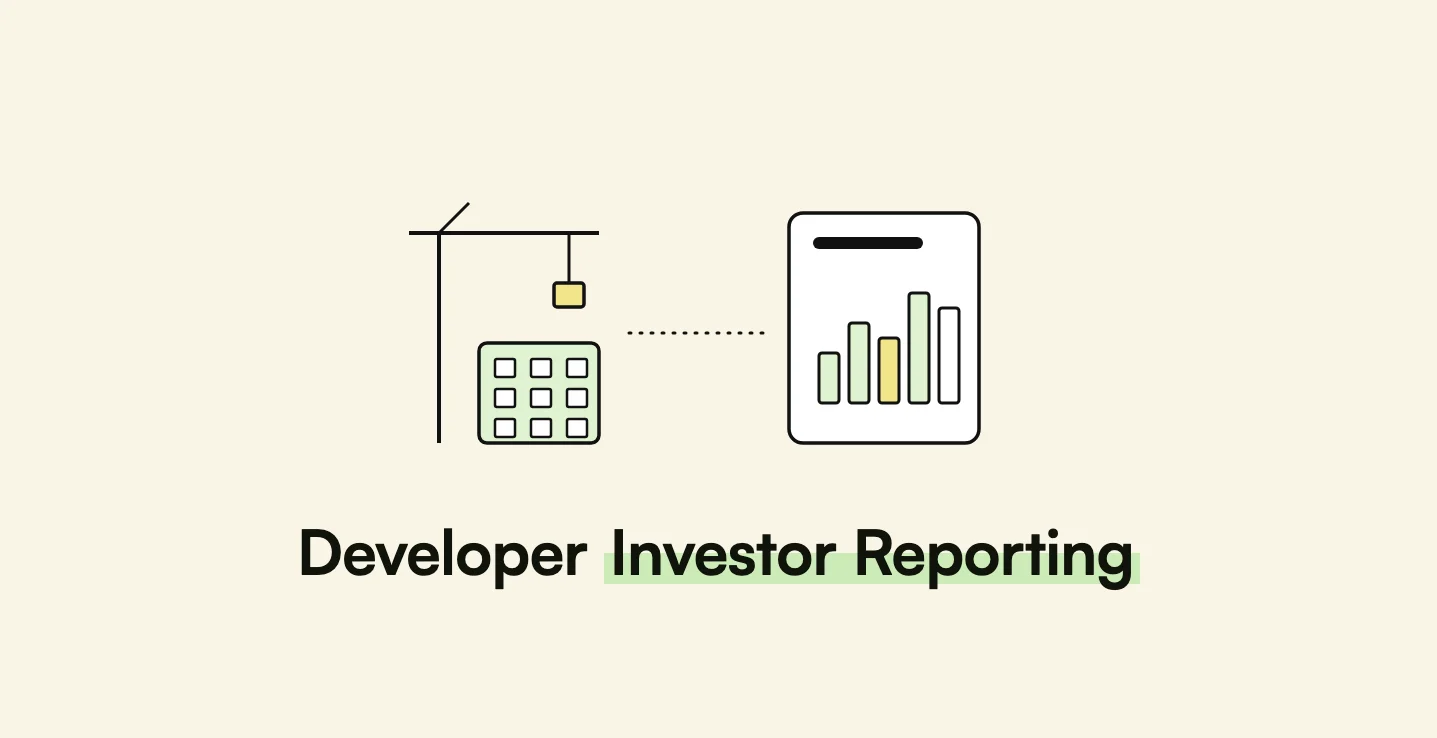
Construction Progress and Investor Reporting for Real Estate Developers: RERA, Escrow, and Lender Reports Across Markets
A real estate developer reports the same construction progress to investors, lenders, regulators, and buyers, usually by chasing contractors for photos and spreadsheets. AppMatic Tech explains who developers report to, what India's RERA, Dubai's escrow rules, and Saudi Arabia's Wafi programme require, and how a portfolio reporting platform with AI drafting turns live site data into every report.
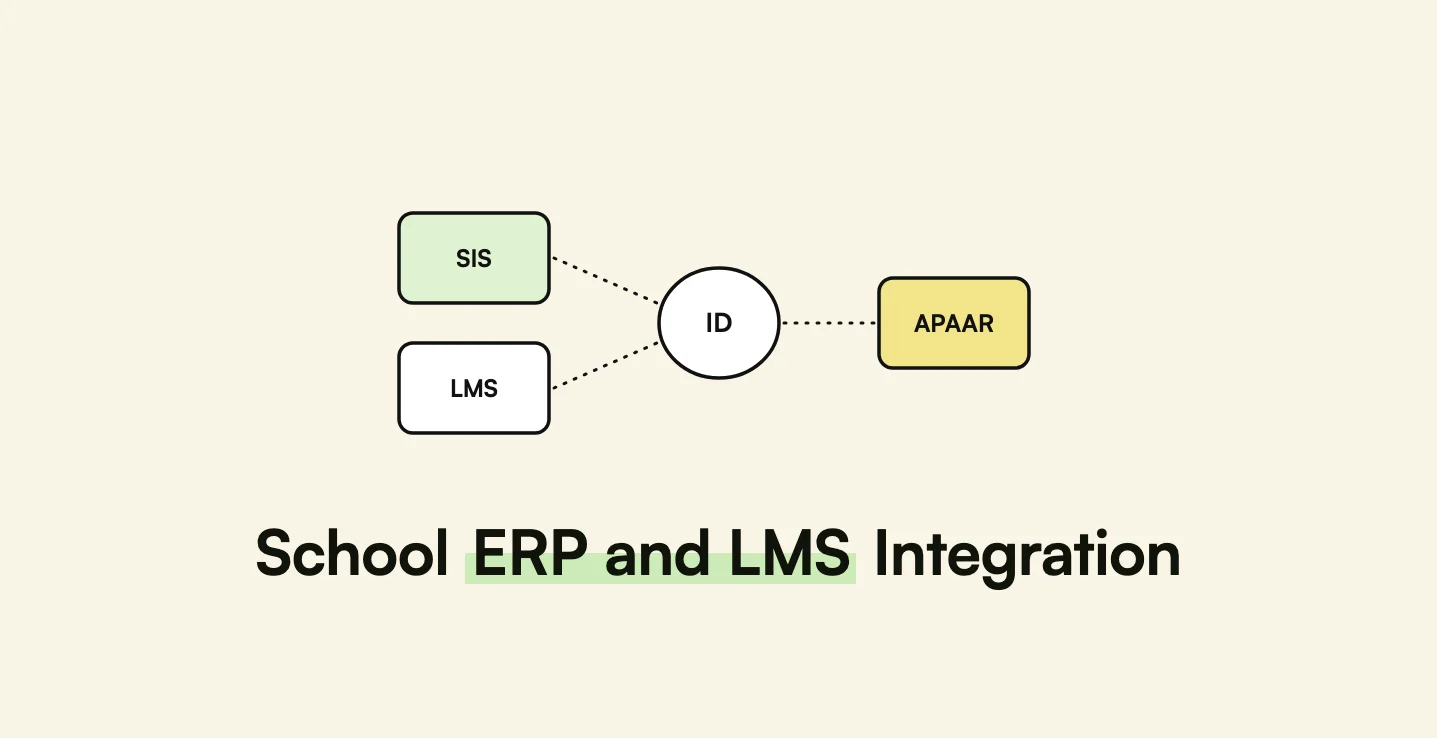
School ERP and LMS Integration: OneRoster, LTI 1.3, Google Classroom, and India's APAAR ID
Schools run a student information system, a learning management system, and a growing list of learning apps, and most school systems disagree about who is in which class. AppMatic Tech explains how school integrations work: OneRoster for rostering and grades, LTI 1.3 for launching tools inside an LMS, Google Classroom, and India's APAAR student ID, with the identity, privacy, and sync design that keeps school data consistent.
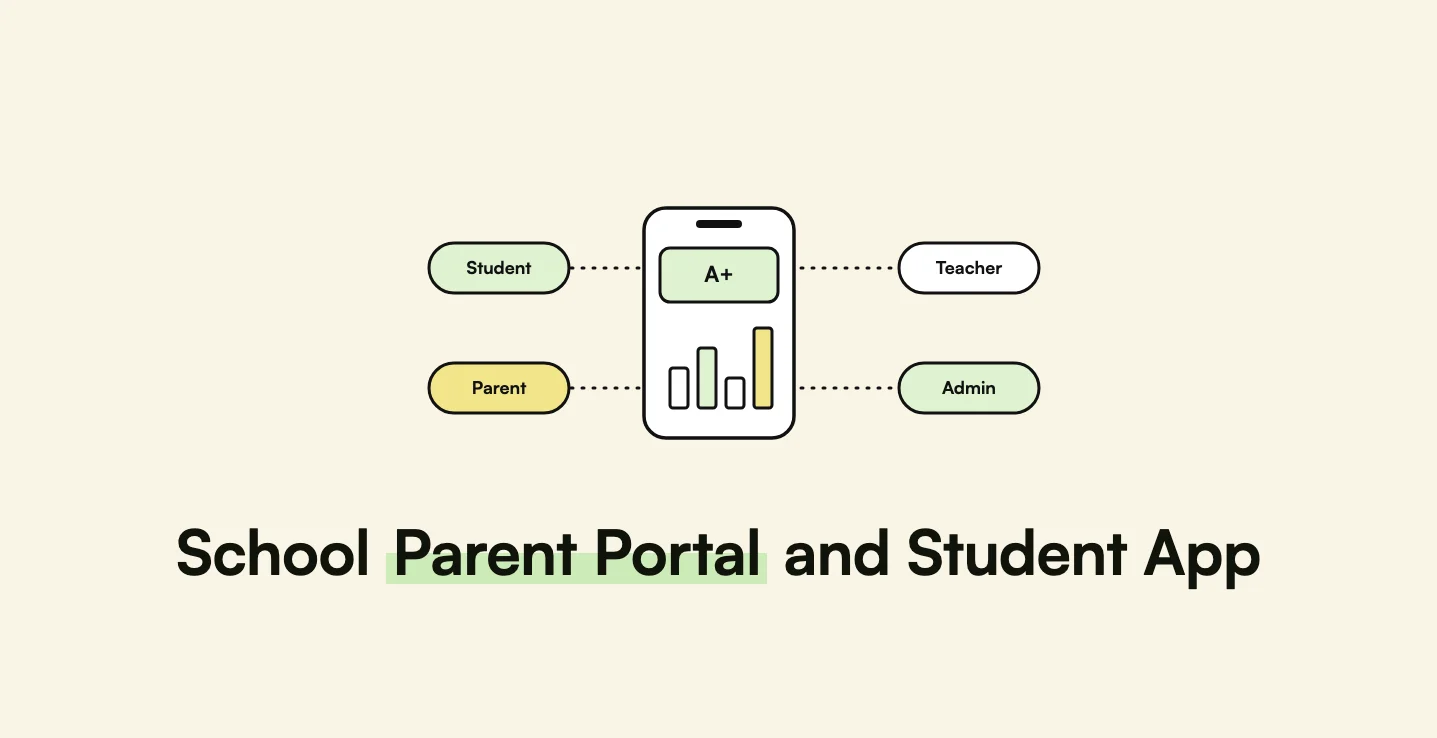
School Parent Portal and Student App Development: Designing for Students, Parents, Teachers, and Admins
School and learning platforms serve four people with different jobs: students who study on phones, parents who check progress on phones, teachers who plan on laptops, and admins who manage branches. AppMatic Tech explains how role-specific design, mobile-first and web-first choices, and children's data rules in India, the US, and the UK shape a parent portal and student app.
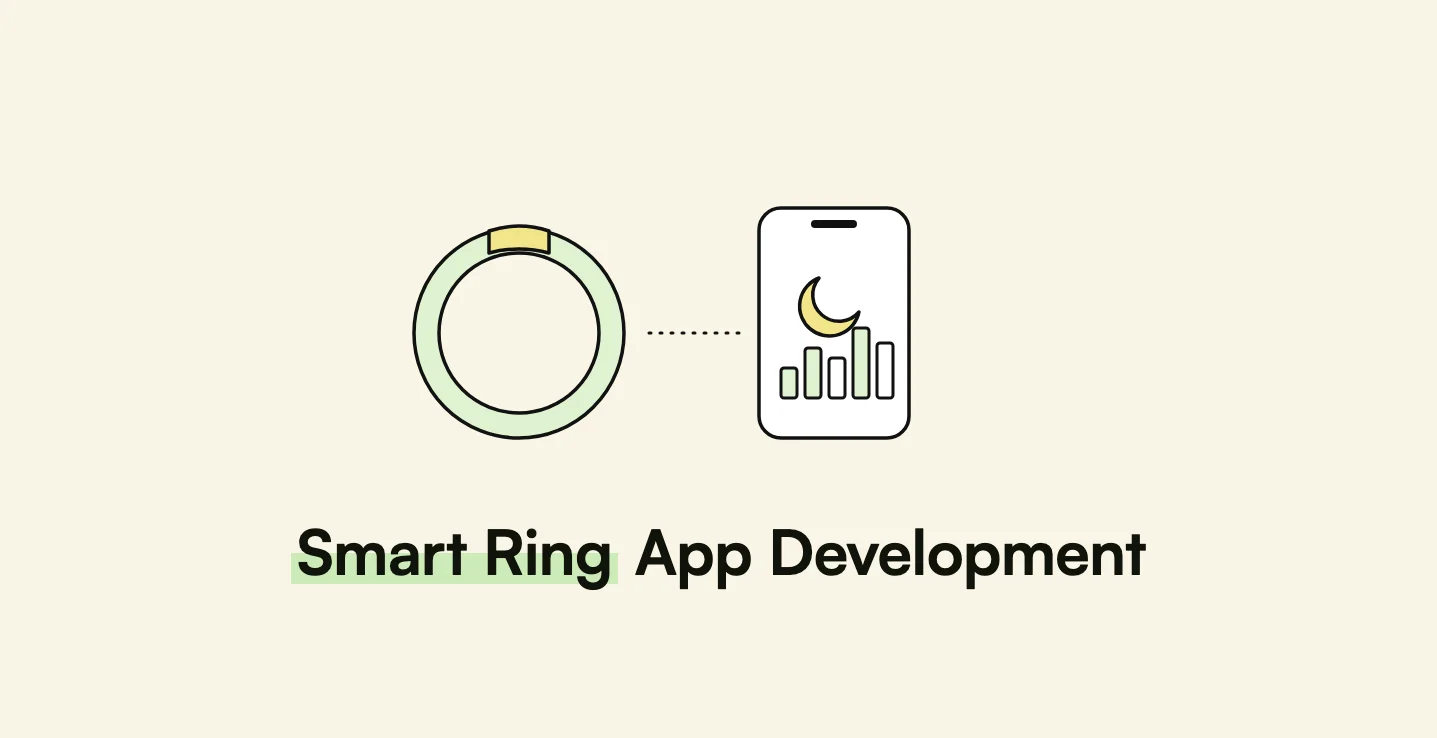
Smart Ring App Development: How to Build a Companion App for a Smart Ring Like Oura, Galaxy Ring, or Ultrahuman
Smart ring shipments grew about 49% in 2025, and a ring has less battery, less space, and less contact time with the phone than any other wearable. AppMatic Tech explains what a smart ring companion app has to do, how ring sync and battery budgets shape the build, how Oura, Samsung Galaxy Ring, and Ultrahuman differ, and what the 2025 patent rulings mean for new ring makers.
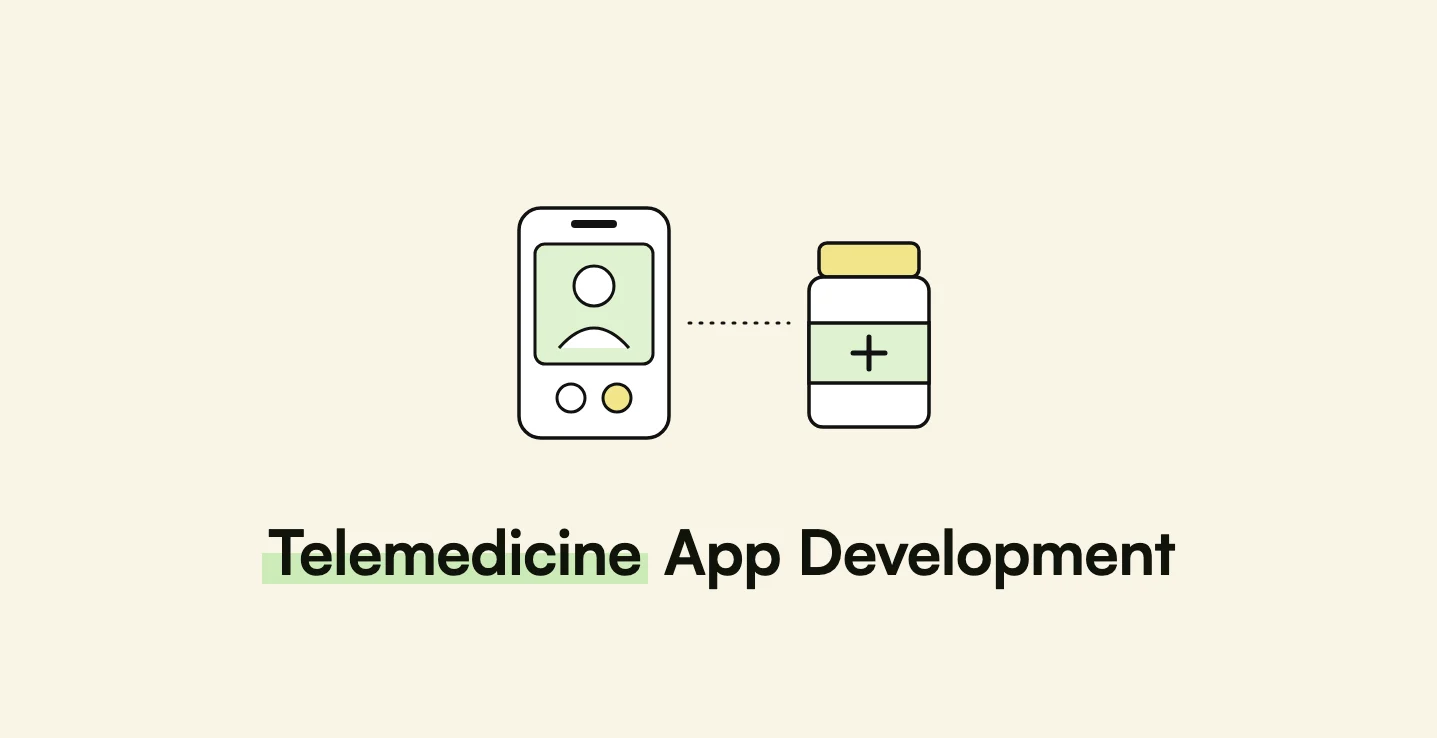
Telemedicine App Development: Video Consultations, e-Prescriptions, and Telehealth Rules in the US, UK, India, and the Gulf
A telemedicine app is a clinic in software: scheduling, a reliable video room, clinical notes, prescriptions, pharmacy fulfilment, and payment, all under health data and prescribing rules that differ by country. AppMatic Tech explains telemedicine app architecture and the 2026 rules that shape telemedicine apps, from US DEA and Medicare telehealth extensions to India's Telemedicine Practice Guidelines and Gulf health data laws.
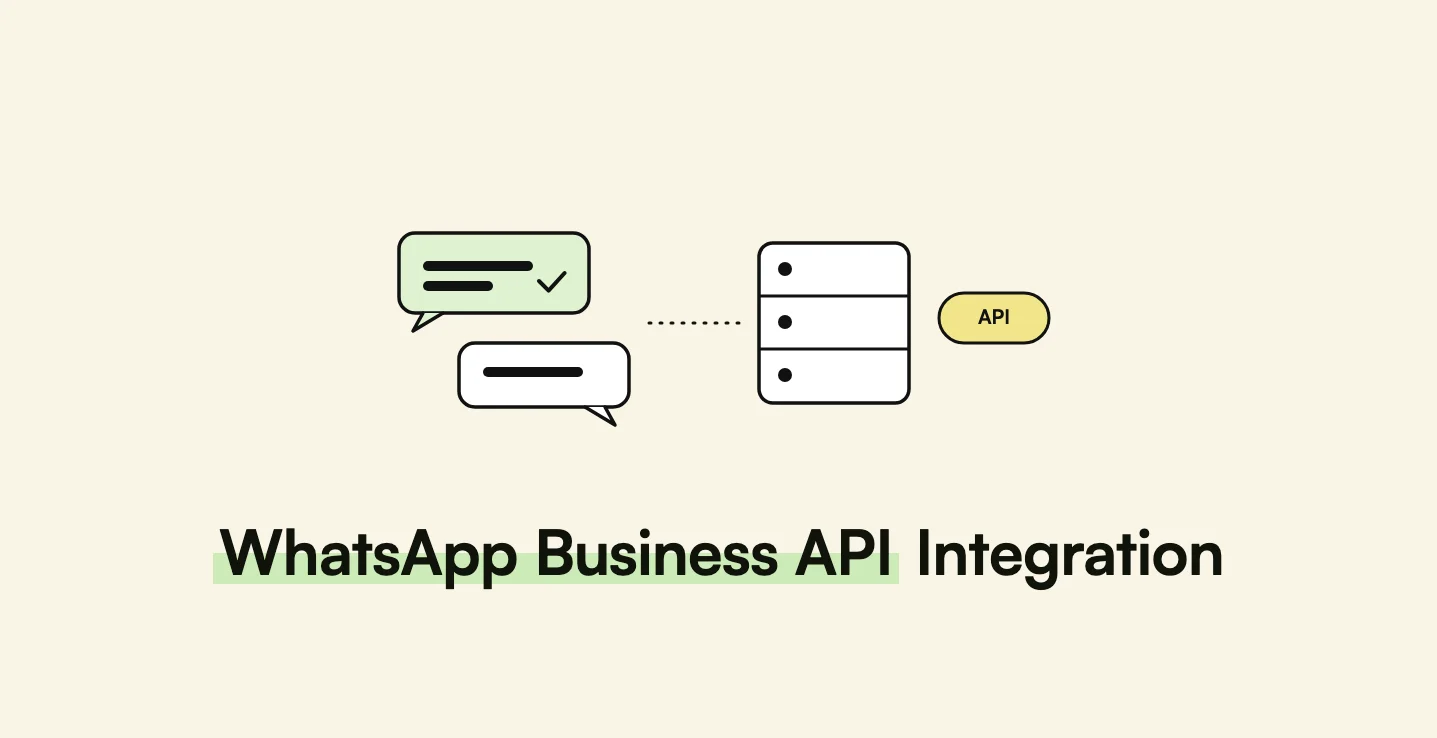
WhatsApp Business API Integration: Architecture, Message Templates, and the October 2026 Pricing Changes
WhatsApp is where vendors, customers, and field teams already answer, which makes the WhatsApp Business API one of the highest-impact integrations a SaaS or ERP system can add. AppMatic Tech explains the Cloud API architecture, templates and the 24-hour window, messaging limits, the per-message pricing model, and the service message charges that started on October 1, 2026.
Travel Booking Engine Development: Search Caching, Look-to-Book Ratios, Payments, and the Booking Lifecycle
A travel booking engine searches thousands of supplier offers for every booking, takes payment before the supplier confirms, and must unwind cleanly when a supplier fails. AppMatic Tech explains booking engine architecture: supplier connectivity, search caching and look-to-book ratios, pricing rules, PCI DSS 4.0.1 payment pages, the booking lifecycle, and the rules that differ in the EU, UK, India, and Saudi Arabia.
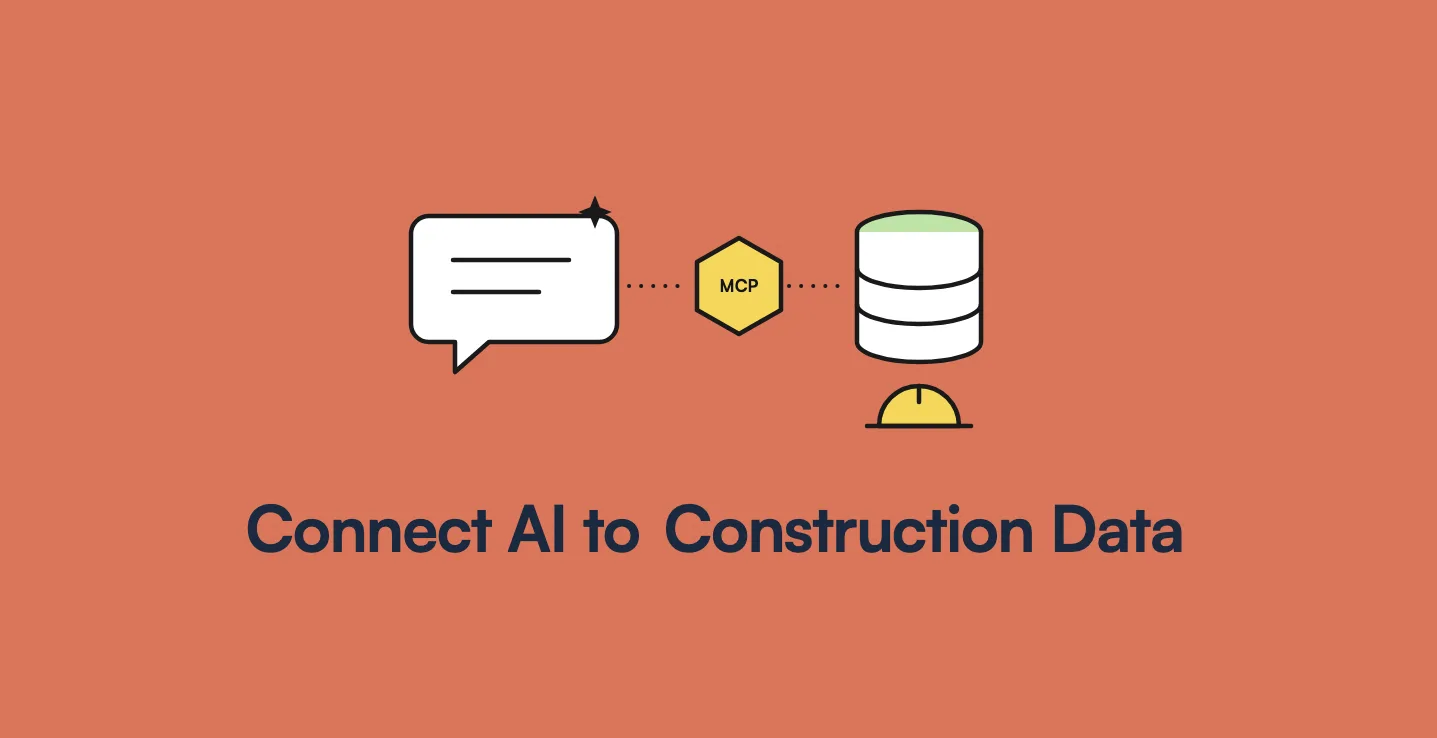
Can ChatGPT or Claude Read Your Construction Project Data? How MCP Makes It Possible
Construction managers increasingly ask whether ChatGPT or Claude can answer questions about their own projects, photos, and compliance records. By default they cannot see that data. AppMatic Tech explains how the Model Context Protocol connects AI models to Procore, field apps, databases, and spreadsheets, what questions become possible, and how to keep construction data secure.
Construction Daily Reports: What to Record Every Day and How to Automate Them
The construction daily report is the record that settles payment disputes, delay claims, and incident questions, and it is usually written in a hurry at the end of a long shift. AppMatic Tech explains what a daily report should contain, why superintendents fall behind, how automated drafting from structured site data works, what must stay human, and how expectations differ in the UK, US, and Africa.
Audit-Ready Construction Safety Records: OSHA, CDM 2015 and African Requirements in One Digital Trail
Construction safety records are only as good as the day someone asks for them. AppMatic Tech explains what makes a safety record audit-ready, compares record-keeping duties under OSHA in the US, CDM 2015 and the Building Safety Act in the UK, and the rules in South Africa, Kenya, and Tanzania, and shows how one digital trail can serve all of them.

Construction Site Photo Documentation: How to Capture, Organise and Find Every Photo
Construction companies take thousands of site photos and still cannot find the one that matters in a dispute, an inspection, or a Monday review. AppMatic Tech explains what metadata every site photo needs, what to photograph and when, how photos hold up as evidence, and how plain-language search finds one photo among a hundred thousand.
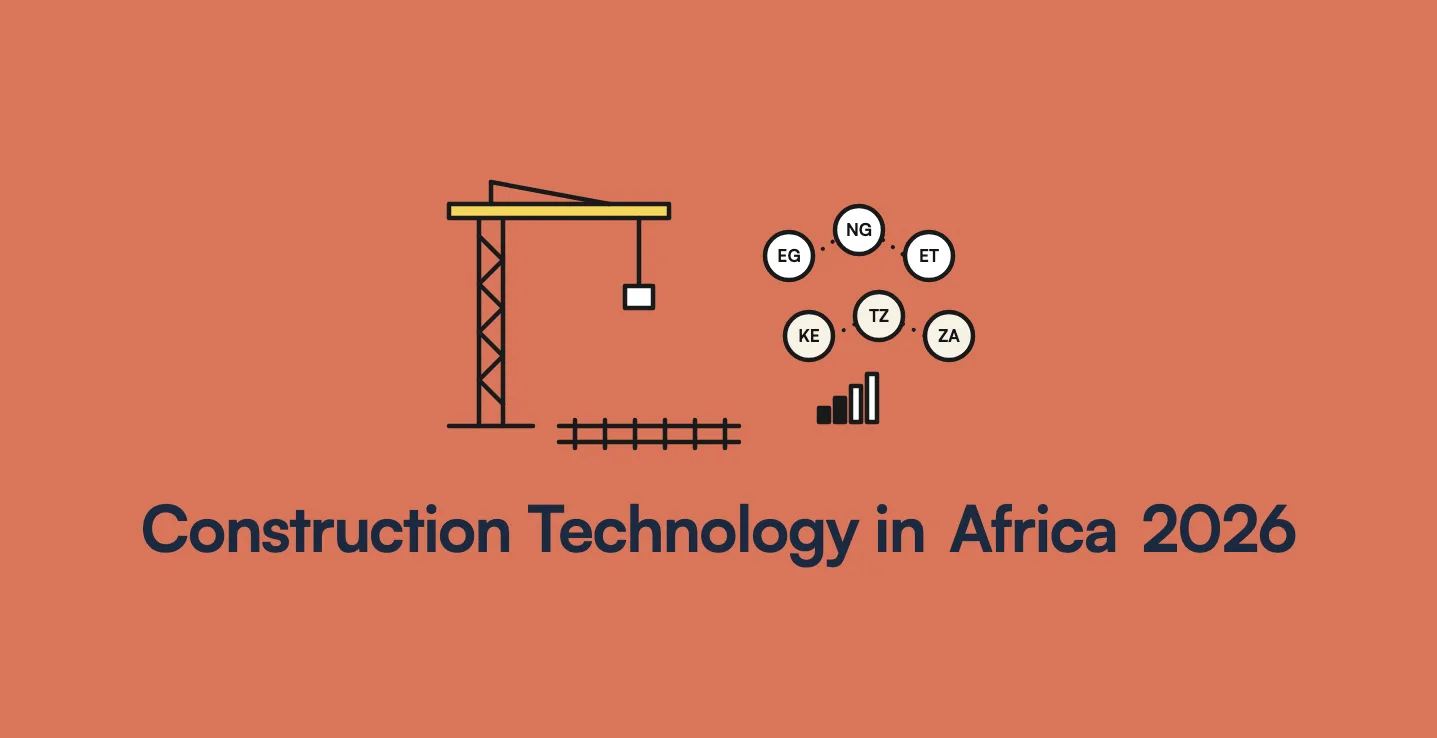
Construction Technology in Africa 2026: Managing Sites Across Kenya, Nigeria, Egypt, Ethiopia, Tanzania and South Africa
Africa's construction pipeline spans railways, expressways, airports, energy, and housing, and the sites delivering it run on intermittent signal, mid-range Android phones, and WhatsApp. AppMatic Tech maps where African construction is growing in 2026, what makes site management different there, what construction software for African sites must do, and how contractor registration and data protection rules shape it.
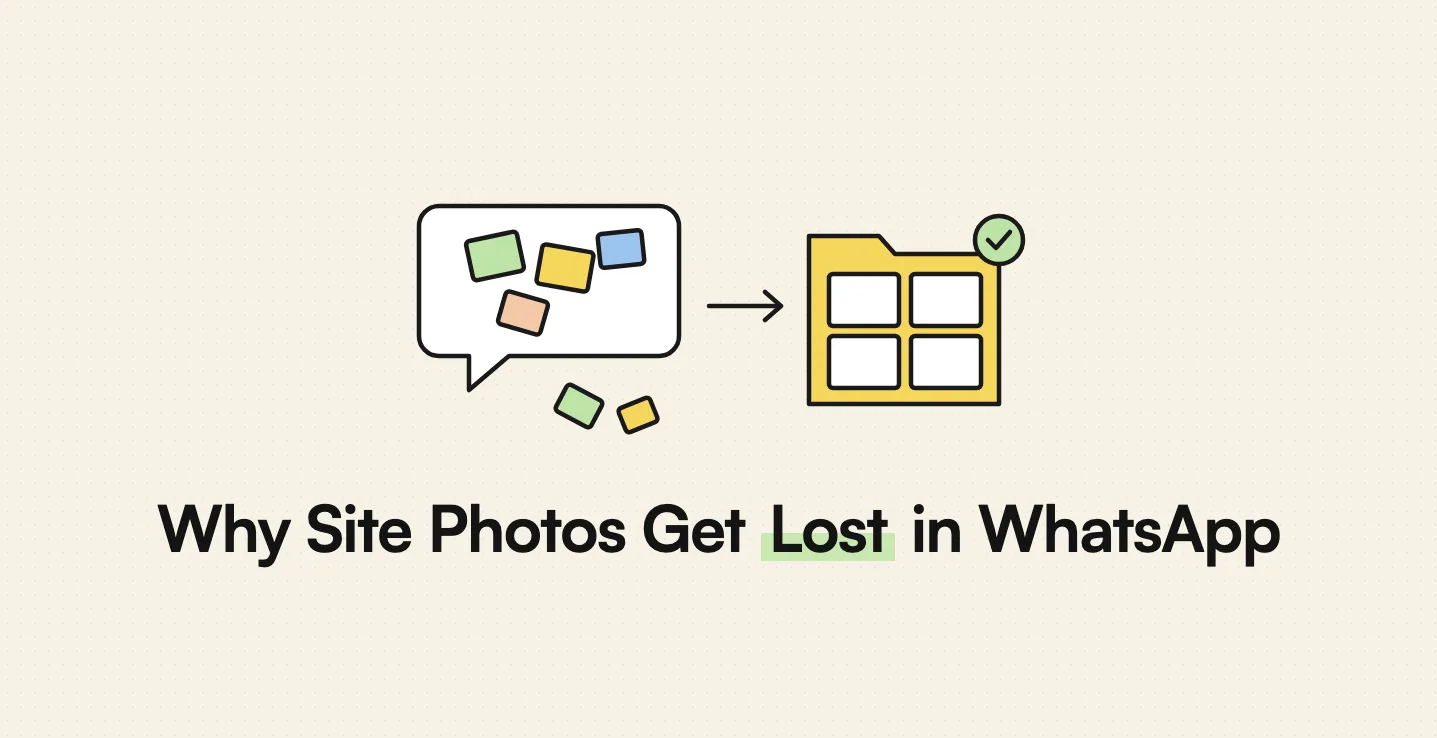
Why Construction Teams Lose Site Photos in WhatsApp Groups, and What to Use Instead
WhatsApp groups run more construction sites than any project platform, because they are free, familiar, and work on any phone. They also lose photos, scatter records across personal devices, and leave no audit trail. AppMatic Tech explains what goes wrong, the compliance risk, what to replace WhatsApp with, and how to move a site team off it without losing adoption.
Custom Construction Software vs Procore: When a Mid-Size Contractor Should Build
Procore is the default answer to construction software, and for many contractors it is the right one. For others, field crews work around it, data stays on paper or in WhatsApp, and AI features wait on someone else's roadmap. AppMatic Tech explains what Procore does well, where mid-size contractors outgrow off-the-shelf platforms, when to build, buy, or combine, and how the decision differs in the UK, US, and Africa.
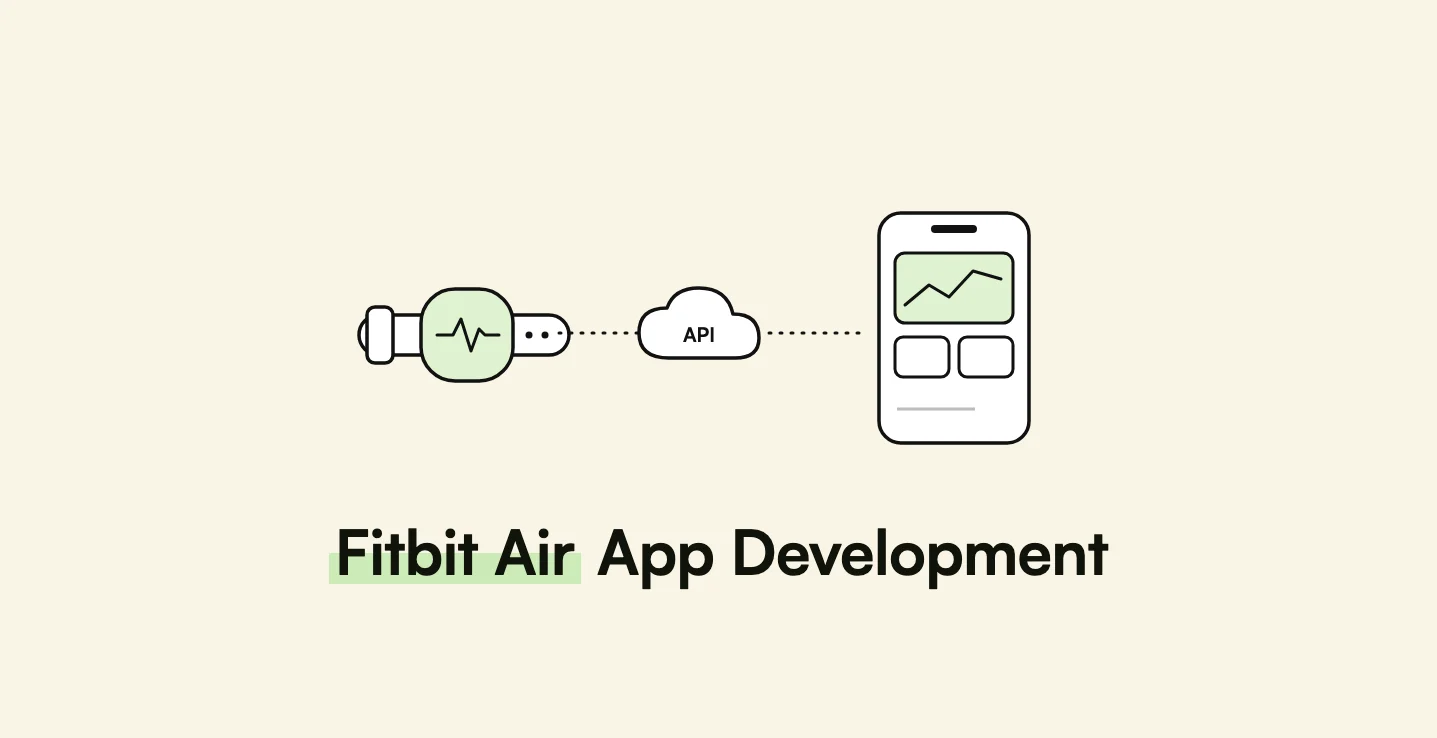
Fitbit Air App Development: How to Read Fitbit Air Data With the Google Health API
The Fitbit Air has no screen and no on-device app platform, so every third-party Fitbit Air app is a Google Health API integration. AppMatic Tech explains what data the Fitbit Air produces, how the Google Health API replaces the Fitbit Web API before the October 30, 2026 shutoff, how restricted-scope verification works, and how to architect the integration.
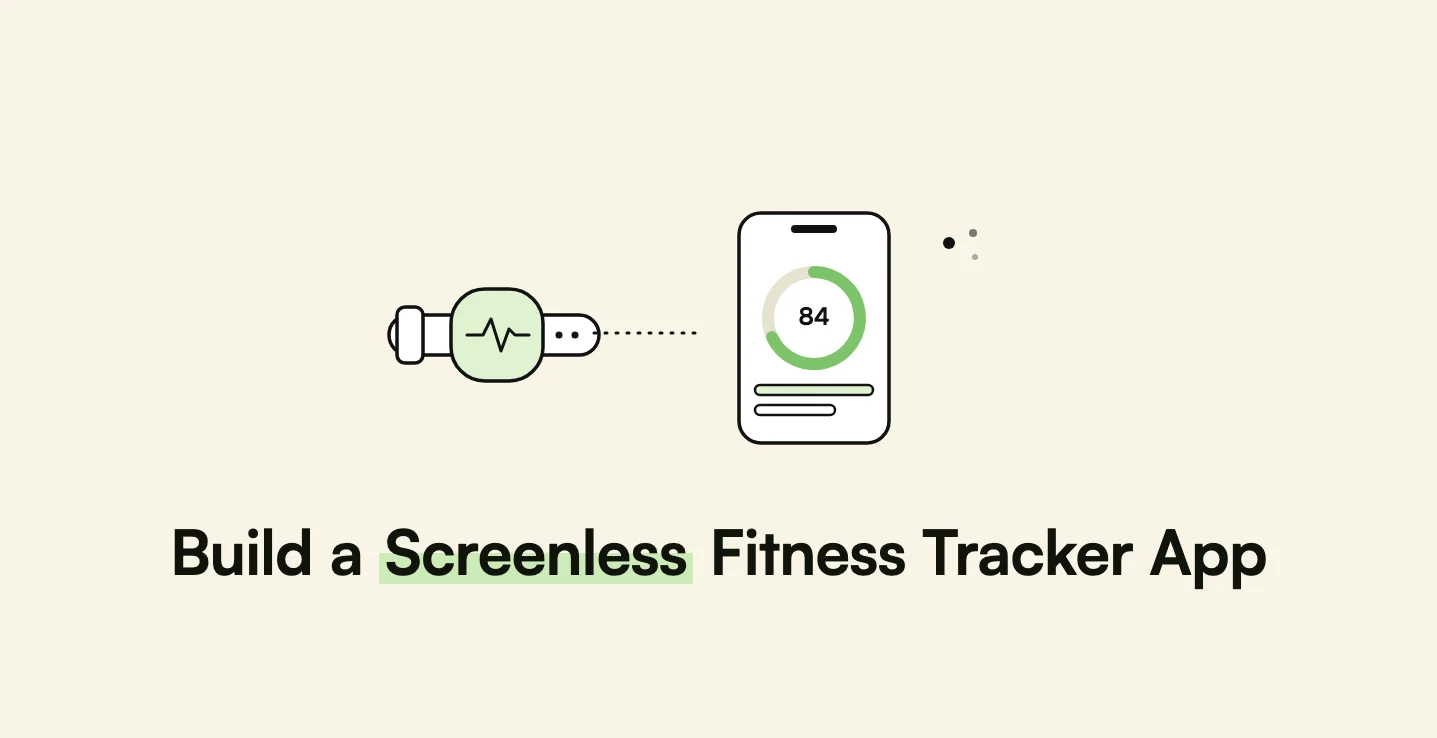
How to Build a Screenless Fitness Tracker App Like WHOOP or Fitbit Air
WHOOP, Fitbit Air, Polar Loop, and Amazfit Helio Strap proved that a fitness band does not need a screen, which moves the whole product experience into the phone app and the cloud. AppMatic Tech explains the architecture behind a screenless tracker app: BLE store-and-forward sync, where scores are computed, recovery and sleep baselines, subscriptions, AI coaching, and wellness claims.
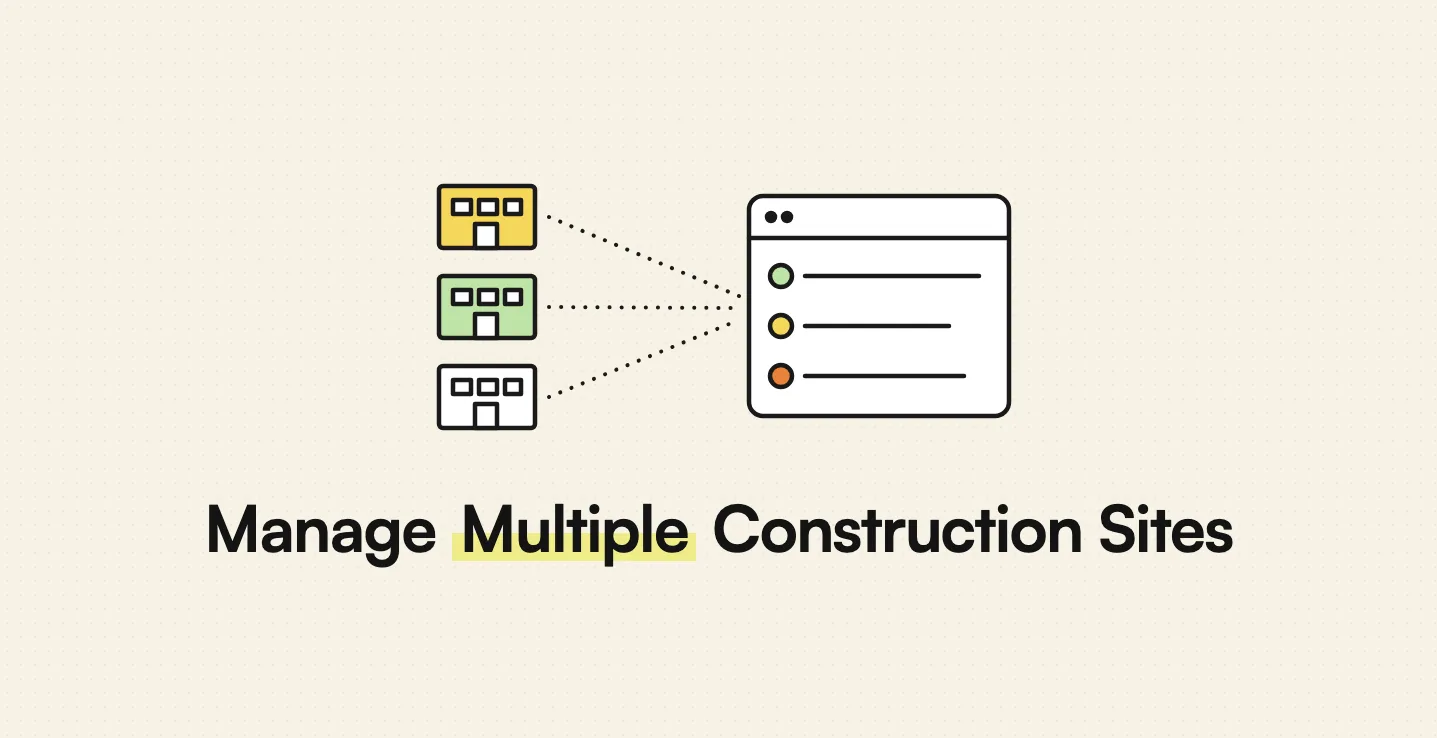
How to Manage Multiple Construction Sites from One Place
Running five construction sites is not five times the work of running one. It is five times the information scattered across phones, spreadsheets, and site visits. AppMatic Tech explains how project managers run a portfolio of sites from one source of truth, track progress without driving to every site, and how the approach differs in the UK, US, and Africa.
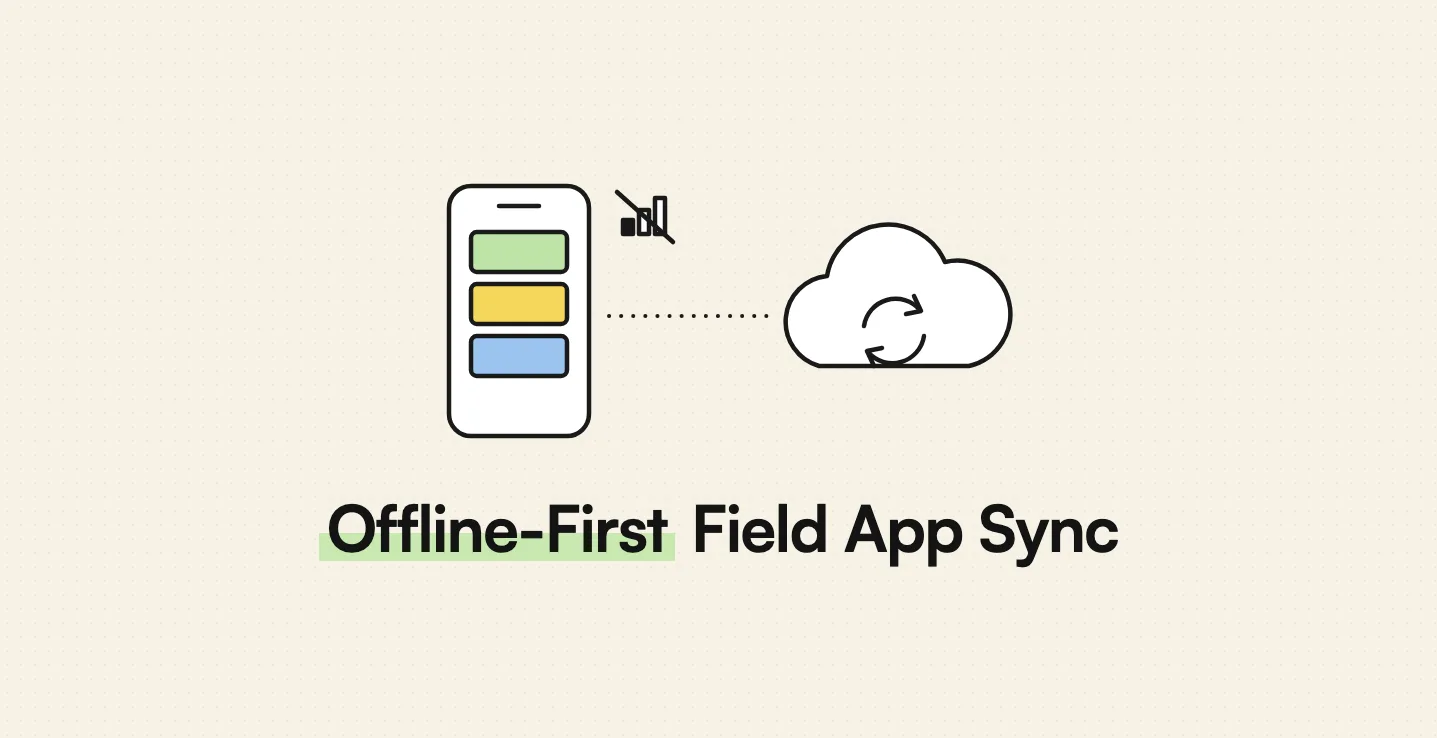
How Offline-First Construction Apps Sync Field Data Without Signal
A construction field app that needs signal to save a photo will be replaced by WhatsApp within a week. AppMatic Tech explains what offline-first really means, how a sync engine queues, compresses, retries, and resolves conflicts, how to test an app for true offline behaviour, and what changes for low-bandwidth sites in Africa and signal dead zones in the UK and US.
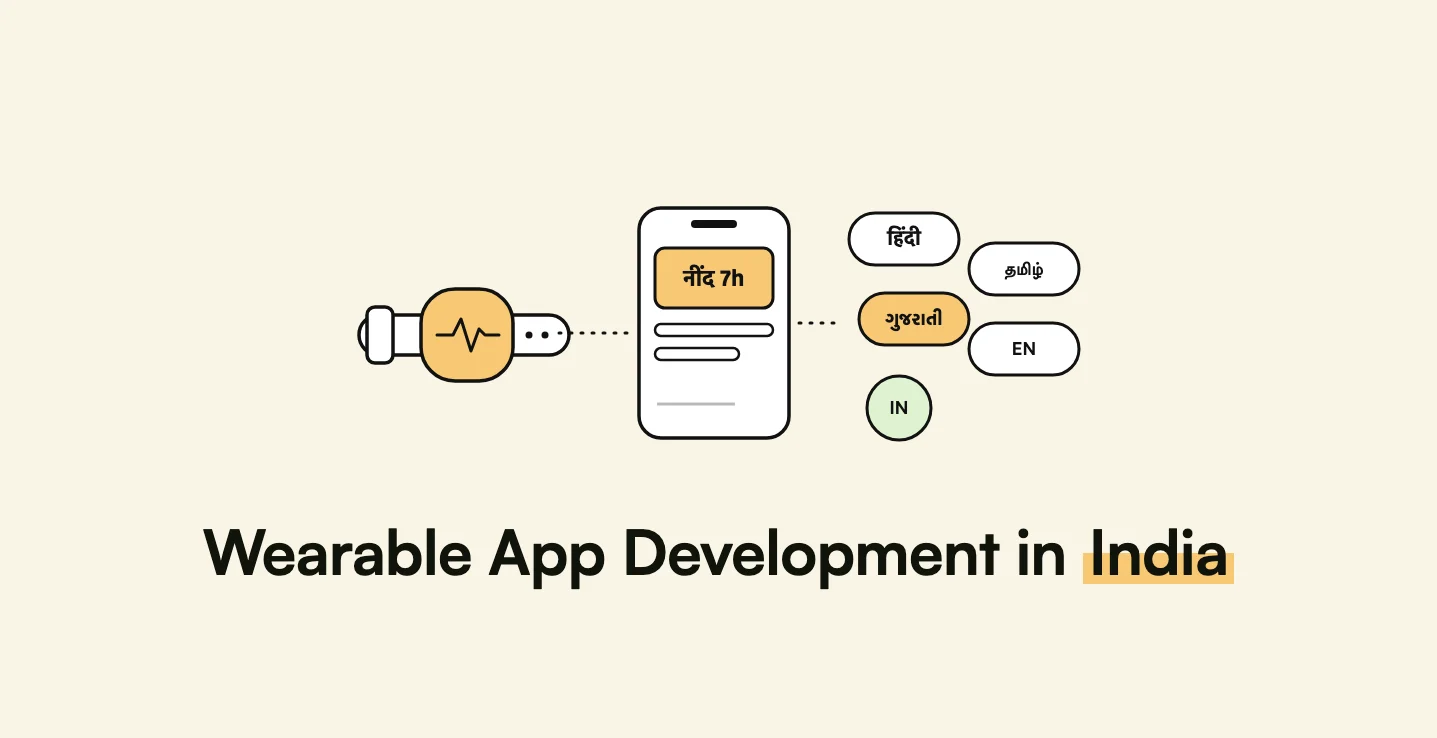
Wearable App Development in India (2026): Market Data, DPDP Rules, and Building for Android-First Users
India shipped 114.2 million wearables in 2025, but smartwatch volumes fell 17.6% as the market shifted from cheap trackers to health-centric products. AppMatic Tech, based in Ahmedabad, explains what the 2025 IDC data means for wearable apps, how to keep Bluetooth sync alive on Indian Android phones, what the DPDP Rules require and when, and what Indian users expect.
Wearable and Fitness App Development for Saudi Arabia and the UAE: Data Laws, Arabic UX, and Ramadan-Aware Health Features
Saudi Arabia's Vision 2030 targets 40% weekly exercise participation, and both Saudi Arabia and the UAE regulate health data more tightly than most markets. AppMatic Tech explains how the UAE health data law and the Saudi PDPL shape wearable app hosting, what Arabic-first design means for health dashboards, and how Ramadan and summer heat change sleep, activity, and recovery features.
When Does a Wearable App Become a Medical Device? FDA, UK MHRA, and EU MDR Rules for Fitness Tracker Apps in 2026
A fitness tracker app becomes a medical device through the app's claims, not the app's measurements. AppMatic Tech compares the FDA's January 2026 general wellness guidance, the WHOOP Blood Pressure Insights case, UK MHRA and EU MDR software rules, and the US, UK, and EU privacy laws that apply to wearable data, with a design checklist for staying in wellness territory.
Wearable Health Data APIs Compared (2026): Google Health API, WHOOP, Oura, Garmin, HealthKit, and Health Connect
Wearable data access changed more in 2026 than in any previous year: the Fitbit Web API shuts off, Oura moved to OAuth-only access with new AI terms, Garmin's application form went offline, and Google Fit ends. AppMatic Tech compares the major wearable health data APIs on access model, approval limits, membership rules, AI-use terms, and status, and explains how to choose.
WHOOP API Integration Guide: How to Build an App With WHOOP Recovery, Strain, and Sleep Data
The WHOOP Developer Platform gives third-party apps consented access to Recovery, Strain, Sleep, and Workout data through a v2 REST API, OAuth 2.0, and signed webhooks. AppMatic Tech explains the scopes, endpoints, rate limits, approval tiers, webhook verification, and data model decisions behind a production WHOOP API integration.
Android Automotive OS App Development: AAOS vs Android Auto vs CarPlay, and How In-Car Apps Get Approved
Android Automotive OS, Android Auto, and Apple CarPlay look similar to drivers but differ sharply for developers. AppMatic Tech explains where each platform runs, which app types each allows, and what driver distraction review means for an in-car app, drawing on a two-month AAOS delivery for a 100M+ potential-user platform.
BLE Background Sync for Wearables on iOS and Android: State Restoration, Foreground Services, and Why Readings Go Missing
Wearable companion apps lose readings when iOS or Android suspends the app. AppMatic Tech explains how iOS state restoration, Android foreground services, the Companion Device Manager, and store-then-sync design keep BLE data flowing in the background, drawn from six shipped device integrations.
MCP Servers for Vehicle, Fleet, and Dealer Data: How AI Assistants Get Safe Access to Automotive Systems
Dealerships, fleets, and EV operators keep inventory, VIN records, service bookings, telematics, and charger data in separate systems. AppMatic Tech explains how a custom Model Context Protocol server gives ChatGPT and Claude permissioned access to that data, which tools to expose, and which actions must never be automated.
HealthKit vs Health Connect vs Google Health API: Which Health Data Platform a Wearable App Should Use
Apple HealthKit, Android Health Connect, and the Google Health API solve different problems: on-device iOS storage, on-device Android storage, and cloud access to Fitbit and Google data. AppMatic Tech compares them for wearable app teams, with a decision table and the permission and sync pitfalls that cause rework.
AI Automated Reporting: How to Turn Data You Already Have Into Reports That Write Themselves
Most recurring reports are assembled by hand from data a business already has. AppMatic Tech explains how AI automated reporting works, which reports to automate first, how to keep the numbers accurate, and what it costs to add to an existing system.
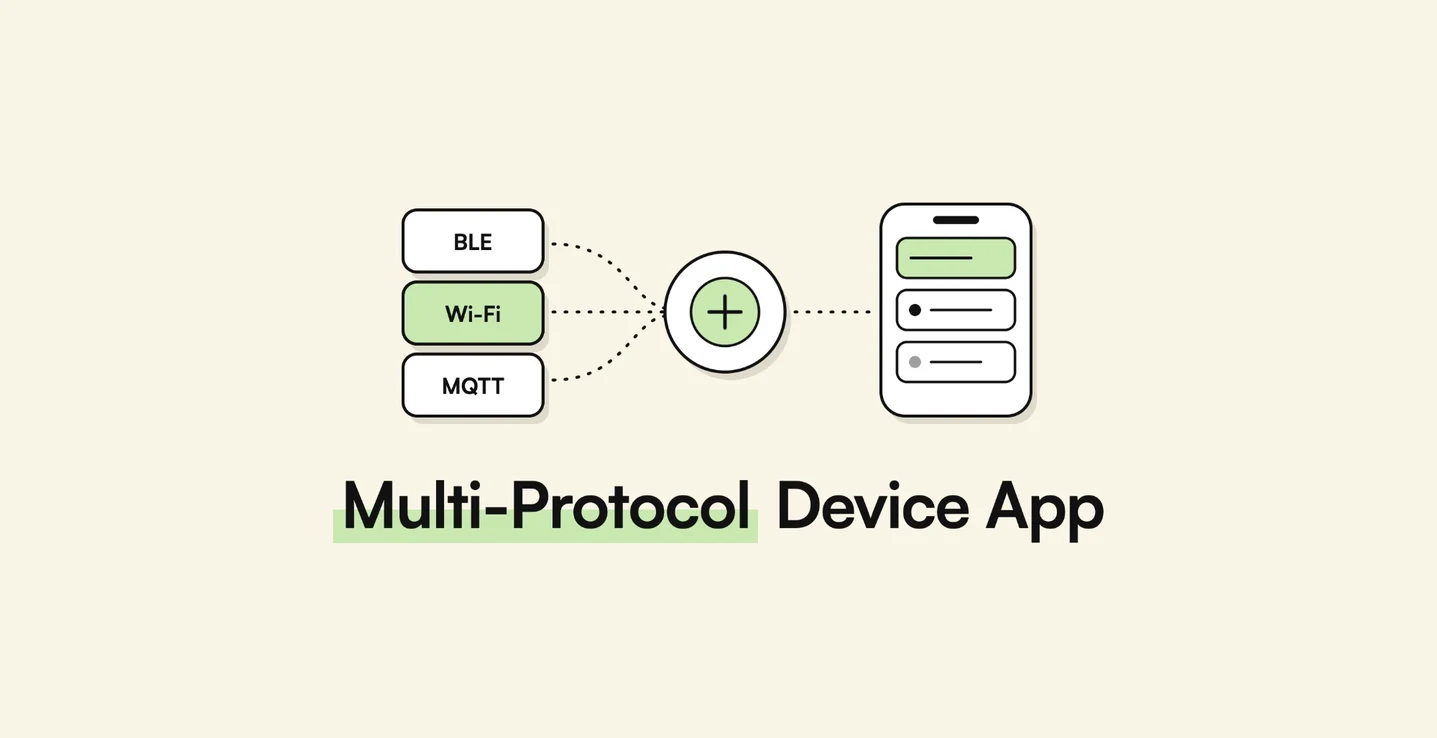
One App, Many Devices: How to Unify Different Device Protocols in a Single Mobile App
Product lines grow, suppliers change, and hardware gets revised, but customers still expect one app. AppMatic Tech explains the adapter layer that lets a single mobile app support devices with different protocols, how to handle firmware revisions, and what to do when a supplier's documentation cannot be trusted.
Wearable Companion App Development: BLE, Health Data, and the 2026 Move to the Google Health API
A wearable or smart accessory is only as useful as its companion app. AppMatic Tech explains what a companion app has to handle, from Bluetooth Low Energy and sensor contact to Apple HealthKit, Health Connect, and the 2026 retirement of the Fitbit Web API and Google Fit APIs.
Adding AI to Your Construction App: An AI Layer for the System You Already Use
Most construction companies already run a field app, Procore, or Autodesk Construction Cloud, and the data inside is rich but hard to use. AppMatic Tech explains how an AI layer connects to the construction system a company already has, what it does for each role, and what it costs.
Adding AI to Your EV Charging or Fleet App: An AI Layer for the System You Already Run
EV charging operators, fleet operators, and electric two-wheeler brands already collect charger, session, and battery data through their apps. AppMatic Tech explains how an AI layer turns that data into failed-session diagnosis, downtime warnings, and battery health insight, without replacing the existing system.
Adding AI to Your Solar or Energy Storage App: An AI Layer for the Systems You Already Monitor
Solar installers, O&M providers, and energy storage companies already collect inverter, battery, and alarm data through their monitoring apps. AppMatic Tech explains how an AI layer turns that data into underperformance flags, alarm triage, and customer answers, without replacing the existing system.
How to Add AI to an App Your Vendor Built, Without Rebuilding It
Many construction, EV, and energy companies already have a working app, but the vendor that built it cannot or will not add AI. AppMatic Tech explains how an AI layer works beside an existing system, what has to be true before it can be added, and what it costs.
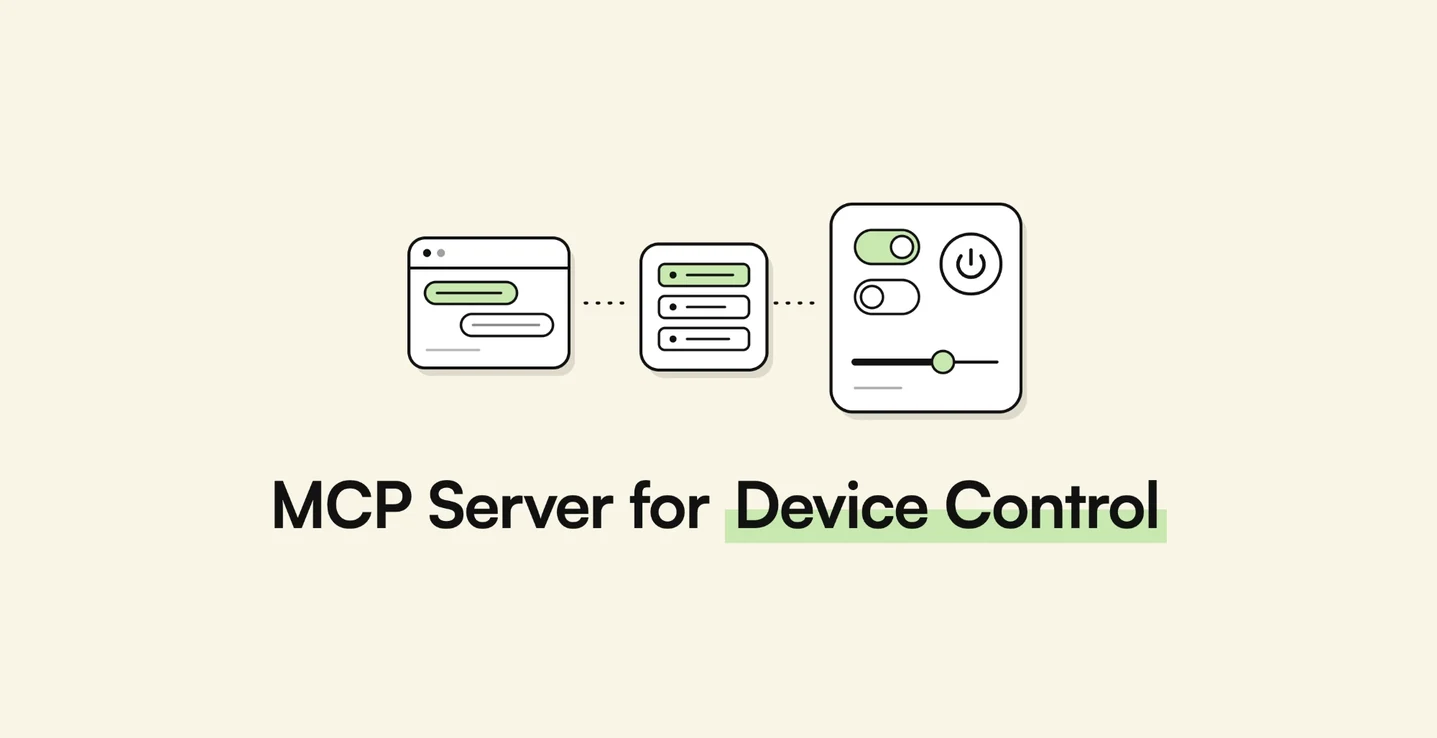
MCP Server for Device Control: Letting an AI Agent Safely Command Physical Hardware
Letting an AI agent read a device is a query problem. Letting it send commands to physical hardware is a safety and control problem. AppMatic Tech breaks down the action schemas, confirmation flows, interlocks, and audit logging that turn an MCP server into a governed boundary between an AI agent and a real device.
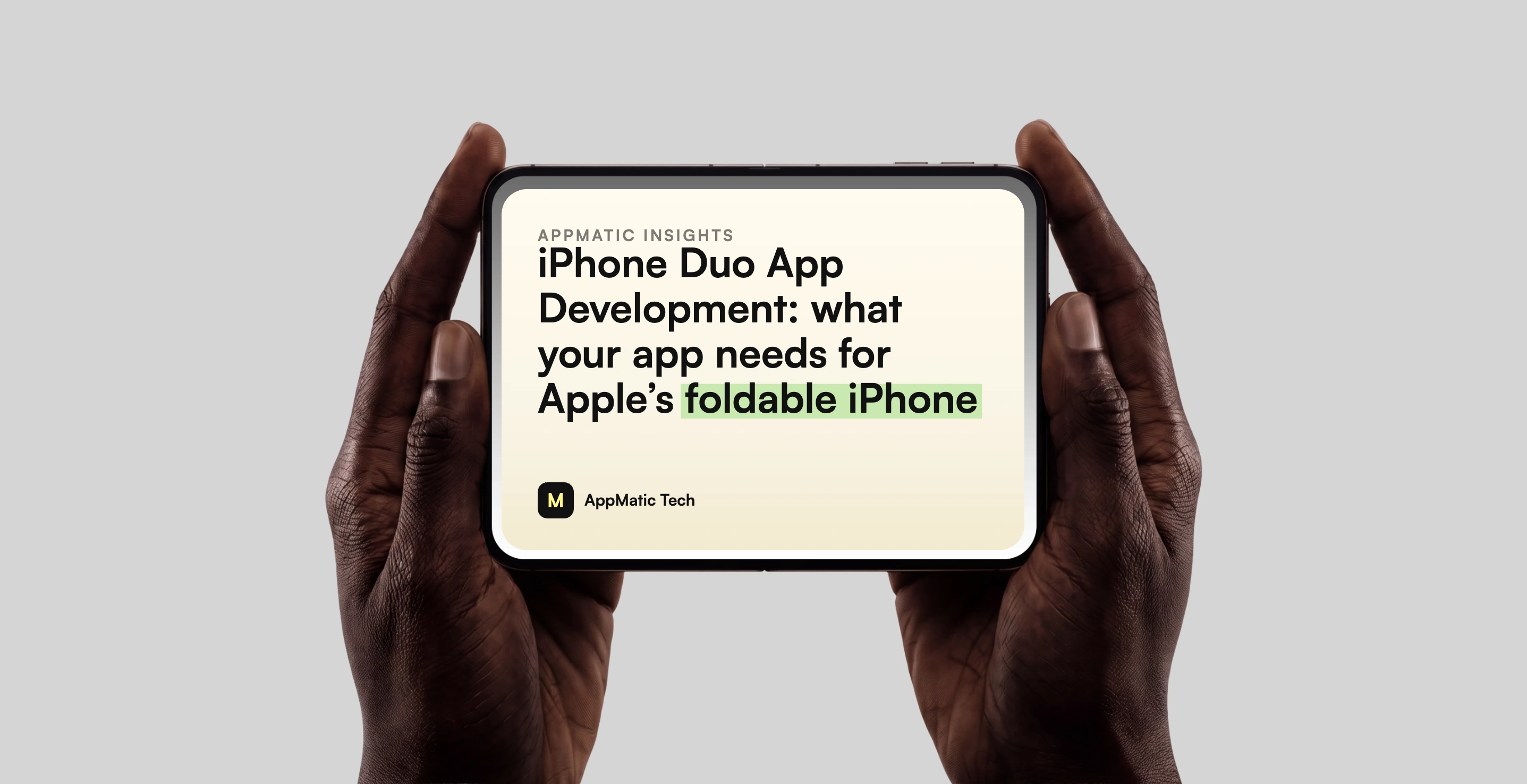
iPhone Duo App Development: What Your App Needs To Be Ready for Apple's Foldable iPhone
Apple's first foldable iPhone, the iPhone Duo, adds a second display and a set of fold poses that most existing apps do not handle. AppMatic Tech breaks down exactly what changes in Swift and SwiftUI, the confirmed iOS 27.1 APIs that matter, and what it costs to make an app ready.
Mobile App Retention Systems: The Lifecycle Architecture Behind Week-4 Retention
Retention is an engineering outcome, not a marketing afterthought. AppMatic Tech breaks down the instrumentation, habit loops, and lifecycle-messaging architecture that move week-4 mobile retention, what a good day-30 rate actually is, and why most retention work fails.
AI App Builders That Claim Full Development: What Rork, Emergent, Lovable and Bolt Actually Ship
Rork, Emergent, Lovable, Bolt, v0, and Replit all advertise full app development from a prompt, and each is genuinely good at a different slice of it. AppMatic Tech evaluates what each platform actually ships, where the claim stops and production engineering begins, and a decision framework for founders choosing between a builder, a builder plus engineering, and a full agency build.
Your Vibe-Coded App Has Messy Code: Here's What To Do Next
A working app from Lovable, Bolt, v0, Cursor, or Replit is a real head start, and its generated code usually cannot go to production as-is. AppMatic Tech diagnoses the five failure patterns that show up in vibe-coded apps, gives a rebuild-versus-refactor decision framework, and explains the audit-first process that turns a prototype into production-grade software.
Cost To Add AI To An Existing App: What It Takes and What Actually Drives the Price
Adding AI to an app you already shipped is a different project from building AI from scratch, and the cost is set by the state of your existing codebase and data model, not by the AI feature itself. AppMatic Tech breaks down the three ways AI gets added to a live product, what each costs, and when a bolt-on is the wrong answer.
App Project Rescue: What To Do When Your Development Agency Fails You
A stalled build with a non-responsive agency is recoverable more often than founders assume, and the first decision is almost never rebuild-from-scratch. AppMatic Tech breaks down the takeover process, what a code audit examines first, how to decide between rescue and rebuild, and what an eight-month mid-project takeover to a shipped MVP actually looked like.
AI in Pharma 2026: Why Regulatory Operations, Not Marketing, Is Where the ROI Is
The largest measurable AI returns in pharma are not in marketing. They are in regulatory operations: CTD and eCTD submission compilation, MLR pre-screening, and batch release review. AppMatic Tech breaks down what the FDA and EMA agreed in January 2026 and what the engineering layer actually looks like.
BLE Mobile App Development: What It Costs and How Long It Takes, From 6 Shipped Device Integrations
BLE app timelines range from one month to eight, and the driver is almost never app complexity. AppMatic Tech breaks down six shipped Bluetooth Low Energy integrations across medical, vehicle, and consumer hardware, what each took, and the firmware-side factors that actually set the schedule.
Building Healthcare Apps for the Saudi Market: What Engineering Readiness Looks Like Before You Talk to Regulators
Saudi Arabia's healthcare sector is digitizing fast under Vision 2030, with strict national requirements around data residency, NPHIES insurance integration, and SFDA medical device approval. AppMatic Tech breaks down the engineering foundation a healthcare app needs before it is ready for Saudi regulatory review, and why that foundation looks identical to HIPAA-grade compliance architecture.
How to Hire a Software Development Partner: A Founder's Guide to Vetting, Cost, and Red Flags
Most software projects that go wrong were decided badly in week one, not built badly in month three. AppMatic Tech breaks down the six-step process for hiring a development partner, the evaluation criteria that separate proof from polish, and what fixed-scope engagements actually cost.
The Complete Guide to Mobile App Development: Process, Architecture, and What Actually Drives Cost
Most mobile app projects that miss their launch date were not built badly. They were scoped badly in the first two weeks. AppMatic Tech breaks down the 9-stage development lifecycle, the architecture decisions that determine long-term cost, and what a fixed-scope build actually includes at each price tier.
Travel App and Booking Platform Development for the Saudi Market: What Tour Operators and Travel-Tech Startups Need to Know
Saudi Arabia welcomed 122 million tourists in 2025 and is targeting 150 million by 2030, with tourism now contributing 5% of GDP. AppMatic Tech breaks down what a booking platform, Travel CRM, or tour operator system actually needs to handle Saudi-specific demand: e-visa flows, religious tourism cycles, GDS integration, and multi-currency payment support.
Construction Technology Trends 2026: What Mid-Market UK and US Firms Are Actually Adopting
UK construction output is forecast to contract 2.5% in 2026 while technology adoption keeps rising. AppMatic Tech breaks down the 8 construction technology trends mid-market firms are actually paying for, what each one costs, and where AI-queryable project data fits into the stack.
Cost of App Development in India: Data from 330 Projects, 2017-2026
AppMatic Tech has delivered 330+ products from Ahmedabad, India since 2017 and now prices every build at a fixed $1,500 per 4-week module. This guide shows how many modules each app type needs, by vertical, platform, and AI complexity, based on the agency's project history across healthcare, construction, SaaS, IoT, and AI-native product builds.
How Much Does AI Development Cost in 2026? A Complete Guide
AI development at AppMatic Tech costs a fixed $1,500 per 4-week module, from 1 module for an MCP server integration to 5 to 8 modules for a full AI-native SaaS platform. AppMatic Tech breaks down module counts by architecture type (MCP servers, AI agents, AI-native products, and RAG pipelines), with deliverables per build type.
AI Agent Development: Architecture Patterns from 12 Deployments
AI agents fail in production for reasons that are different from standard LLM integration failures. AppMatic Tech covers the tool design, state management, error recovery, and human-in-the-loop patterns from 12 agent deployments that determine whether an agent works reliably or hallucinates its way through a workflow.
When to Hire an AI Engineering Agency vs Build In-House
The decision to hire an AI engineering agency or build in-house is not primarily a cost comparison. It is a question of how long the hiring process will take, what the team will look like on the other side of it, and whether the product needs to be in production before that team is assembled. AppMatic Tech covers the criteria that determine which path fits which situation.
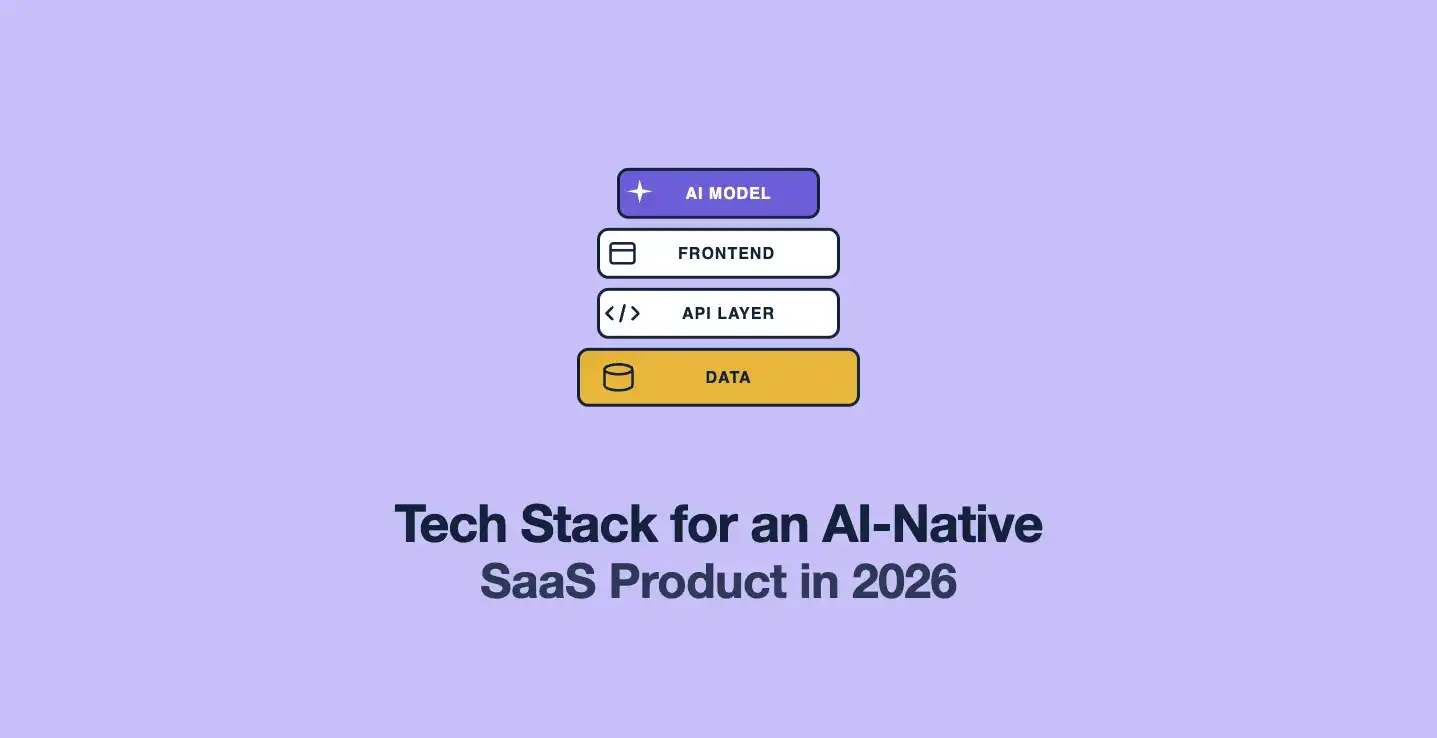
How to Choose a Tech Stack for an AI-Native SaaS Product in 2026
The tech stack decisions for an AI-native SaaS product in 2026 are different from a standard SaaS build. The LLM integration layer, the inference call location, and the data schema design create constraints that determine which choices hold at production scale and which ones create rework six months later.
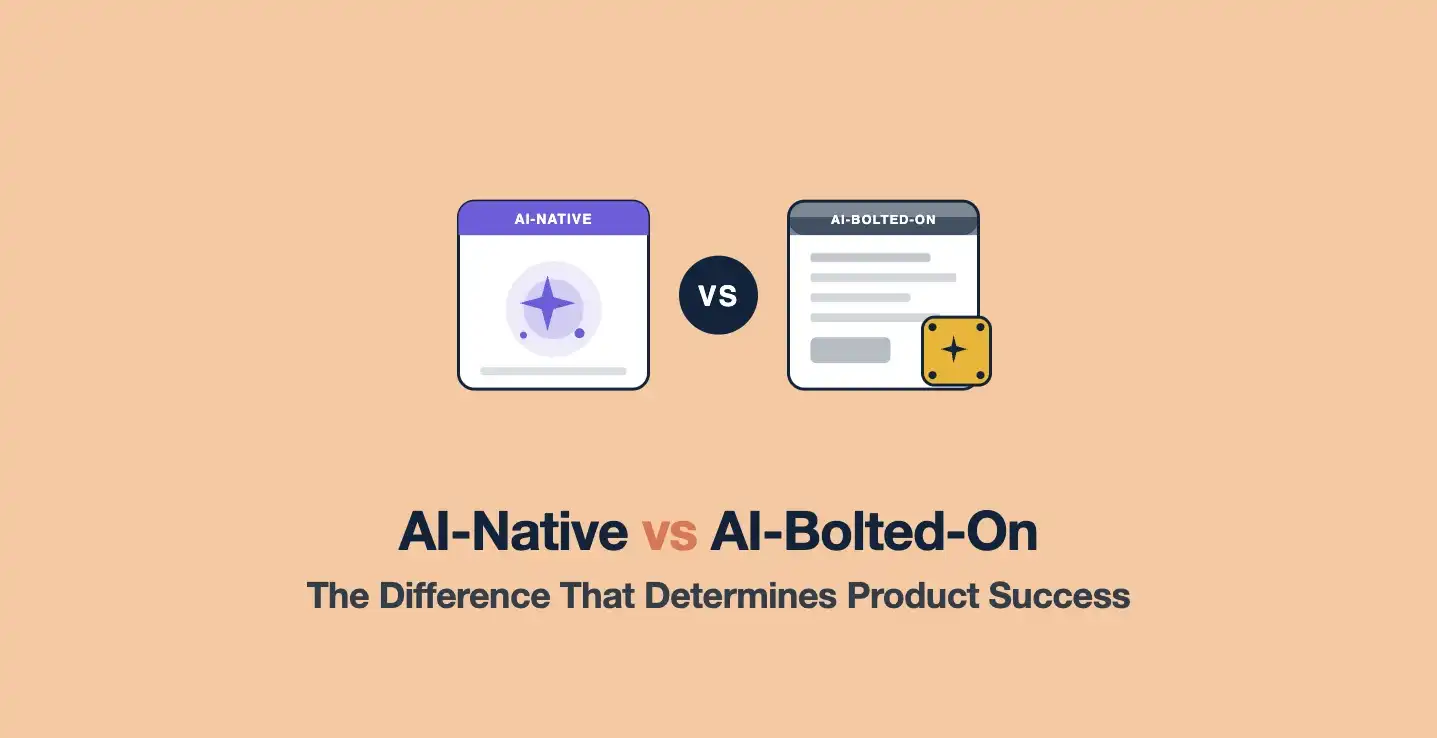
AI-Native vs AI-Bolted-On: The Difference That Determines Product Success
AI-native and AI-integrated are not synonyms. One is an architecture decision made before the first line of code. The other is a feature added to a finished product. AppMatic Tech explains the difference, why it determines product performance at scale, and how to tell which one an agency is actually building.
How AppMatic Tech Architects AI-Native Products
AI-native and AI-integrated are not the same thing. AppMatic Tech explains the architectural difference, why it matters at production scale, and how the agency has applied this approach across Anvahi, FELA, and MetaReady.
How to Scope an AI-Native SaaS Project: A Founder's Guide
Scoping an AI-native SaaS project requires decisions that are different from scoping a standard software build. The LLM integration layer, the data schema design for AI consumption, and the compliance requirements all need to be defined before a fixed-price proposal can be accurate. AppMatic Tech covers how to prepare for the scoping process and what a well-scoped AI-native project looks like.
LLM Integration in Production: What Nobody Tells You Before You Build
LLM integration looks straightforward in a prototype and breaks in predictable ways in production. AppMatic Tech covers the failure modes that appear after launch (latency spikes, context window mismanagement, prompt drift, and cost blowouts) and the engineering decisions that prevent them.
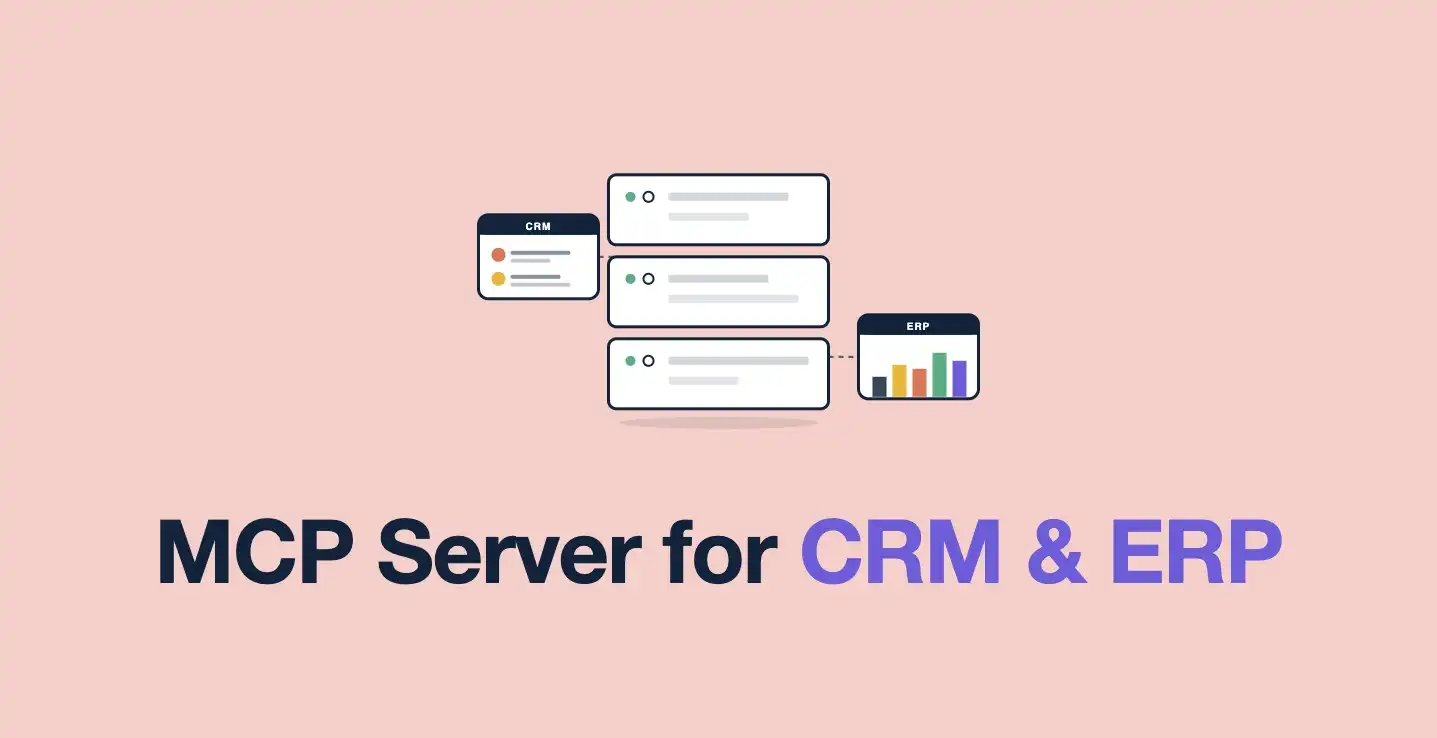
MCP Server for CRM and ERP Integration: What Works in Production
Connecting an LLM to a CRM or ERP through an MCP server requires different architecture decisions than connecting to an internal database. AppMatic Tech covers the integration patterns, authentication approaches, and data normalisation challenges that determine whether a CRM or ERP MCP integration works at production scale.
MCP Server Deployment Checklist: 12 Things to Verify Before Go-Live
AppMatic Tech runs this 12-point checklist before every MCP server goes into production. The checks cover authentication, schema validation, load behaviour, audit logging, and LLM query routing accuracy: the failure modes that surface after launch when skipped.
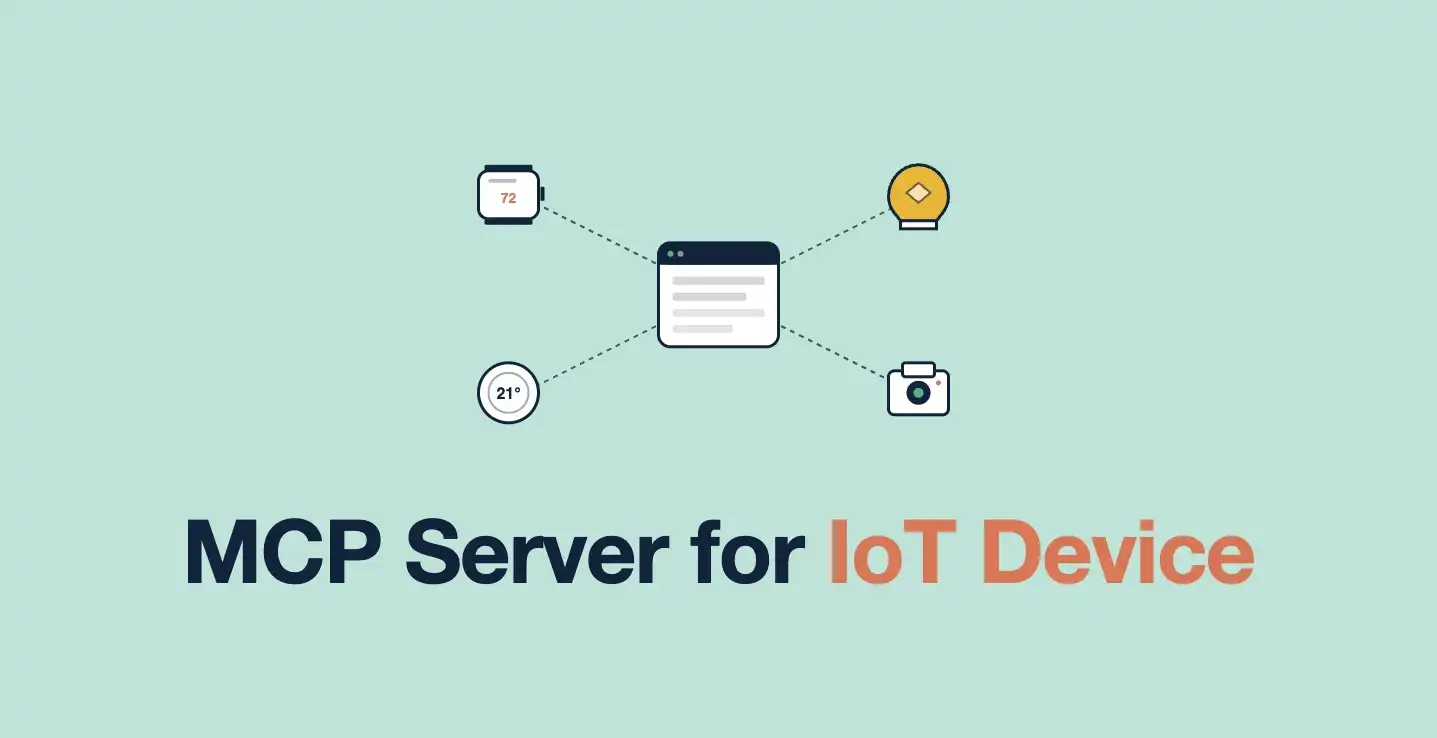
MCP Server for IoT Device Management: Architecture and Use Cases
IoT deployments generate continuous telemetry that most LLM features cannot query in real time. An MCP server connecting an LLM to live device data enables natural language queries against current sensor readings, device status, and alert history without manual data export. AppMatic Tech covers the architecture and the use cases where this works in production.
MCP Server Security: Best Practices for Enterprise Deployments
An MCP server sits between an LLM and a company's live data. That position makes the authentication layer, input validation, and audit logging decisions made during the build more consequential than in most integration work. AppMatic Tech covers the security practices that matter in production.
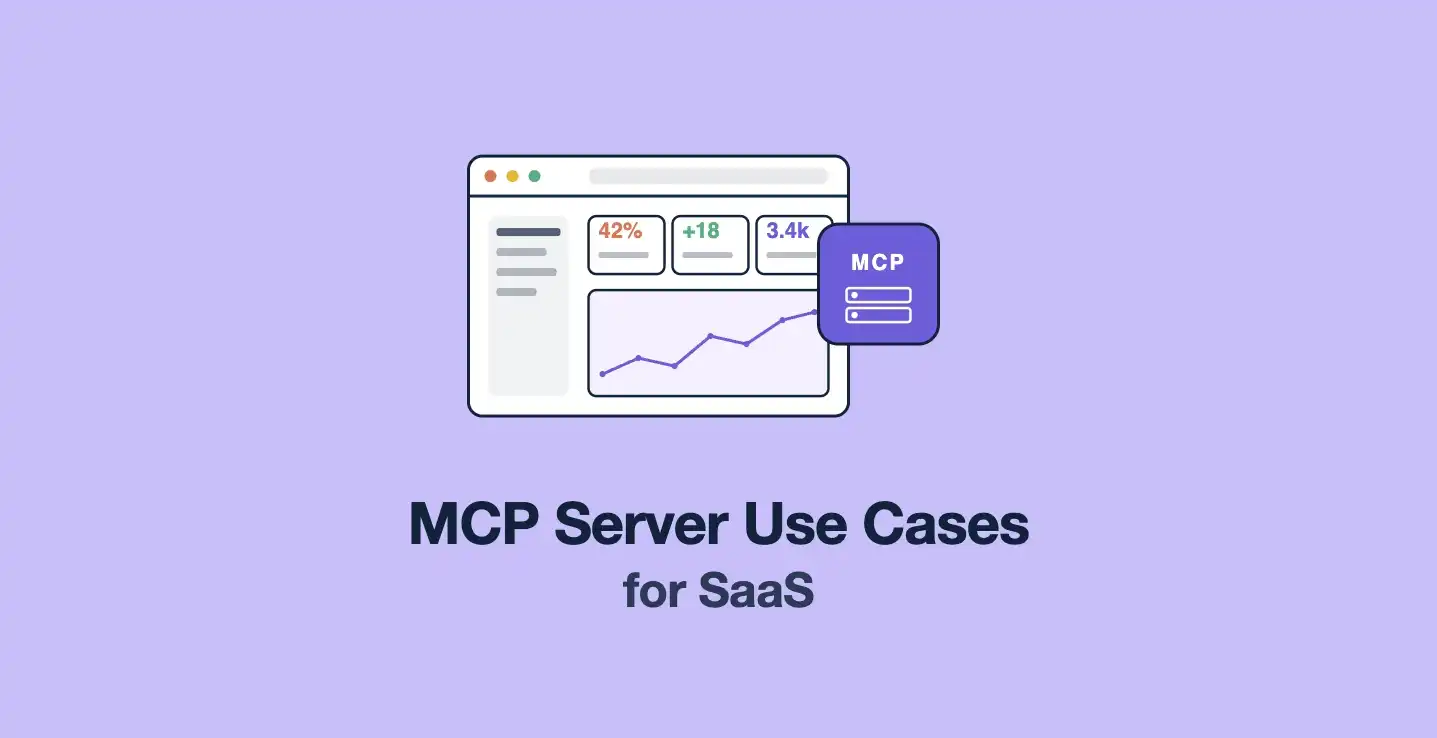
Top MCP Server Use Cases for SaaS Companies in 2026
SaaS companies are using MCP servers to connect LLMs to product data, CRM records, customer usage telemetry, and support history. AppMatic Tech covers the use cases that are already in production in 2026 and the criteria that determine which one applies to a given product.
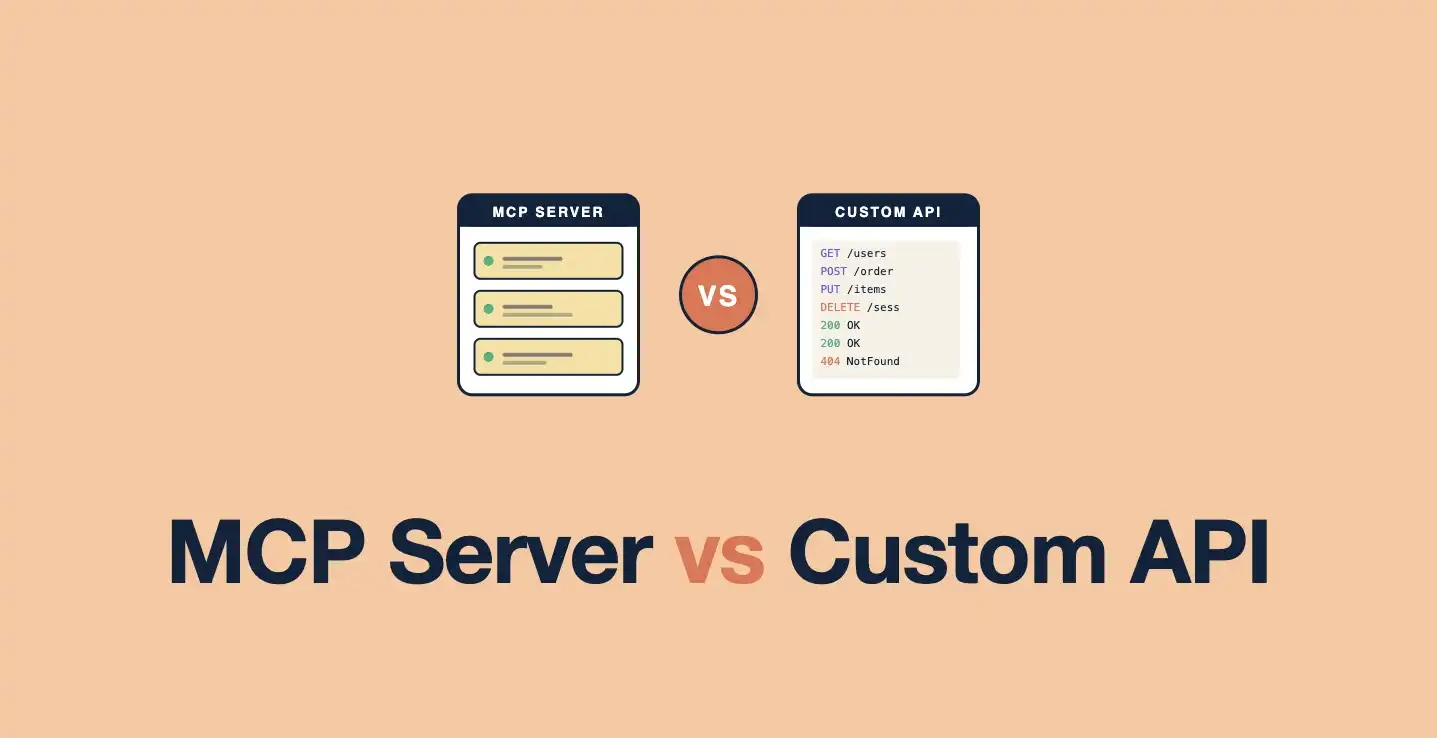
MCP Server vs Custom API: Which One Should You Build?
An MCP server and a custom API both connect an LLM to business data. They are not interchangeable. AppMatic Tech explains the decision criteria, the cases where each architecture is correct, and the cases where teams choose the wrong one.

Prompt Engineering for Production AI: What Changes After MVP
Prompt engineering during MVP development is exploratory. Prompt engineering in production is a maintenance discipline. AppMatic Tech covers what changes when prompts need to work reliably across thousands of real user inputs, survive model version updates, and produce consistent structured output under variable conditions.
RAG Implementation Guide: What Works in Production vs What Doesn't
RAG implementations that work in demos fail in production for specific, predictable reasons. AppMatic Tech covers the retrieval quality problems, chunking decisions, reranking patterns, and evaluation approaches that separate a production-grade RAG pipeline from a prototype that degrades with real user queries.
What Is an MCP Server and When Does a Business Need One?
An MCP server connects a large language model to a company's live data. AppMatic Tech explains what Model Context Protocol servers are, how they differ from RAG pipelines, and which business situations actually require one.
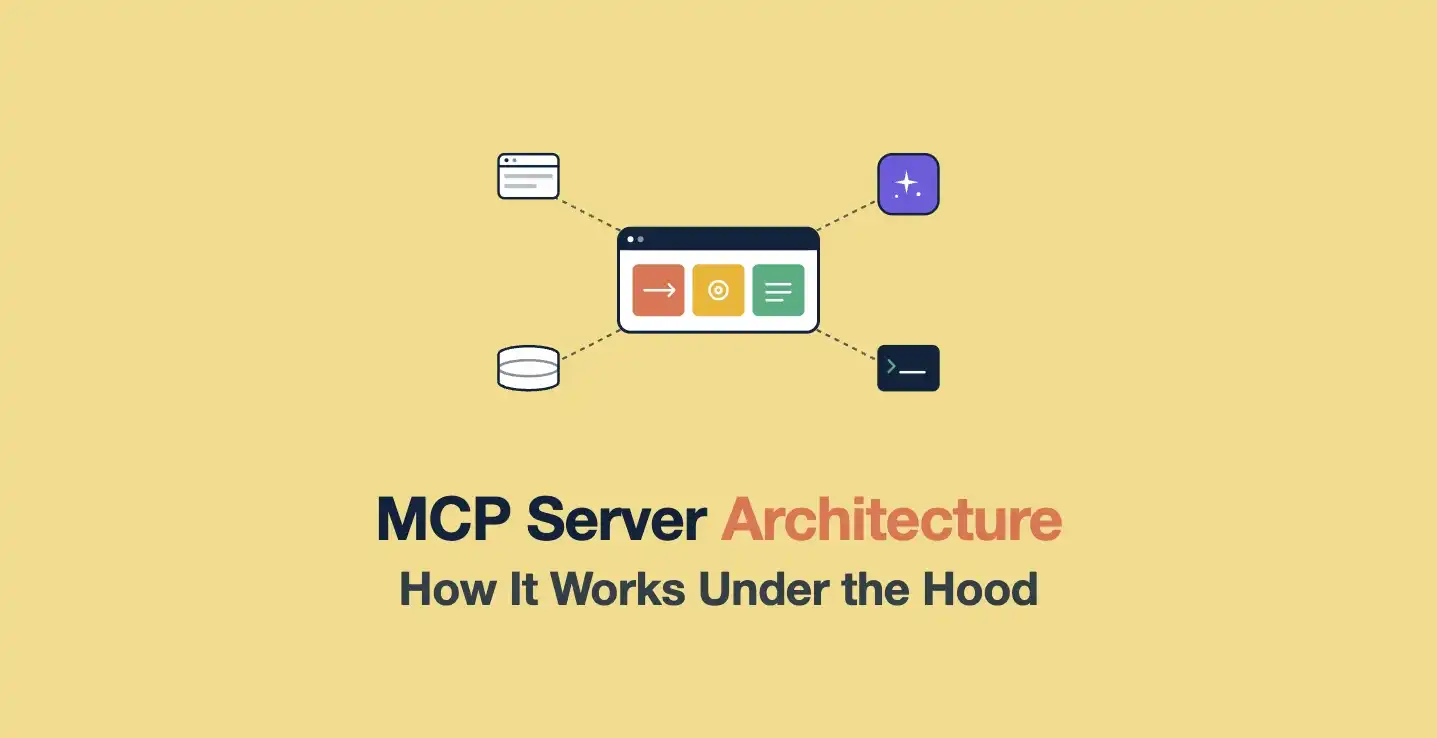
MCP Server Architecture: How It Works Under the Hood
An MCP server has four components: a transport layer, a protocol handler, resource definitions, and a data access layer. AppMatic Tech explains how each part works and why the architecture decisions made during build determine whether the server performs at production scale.
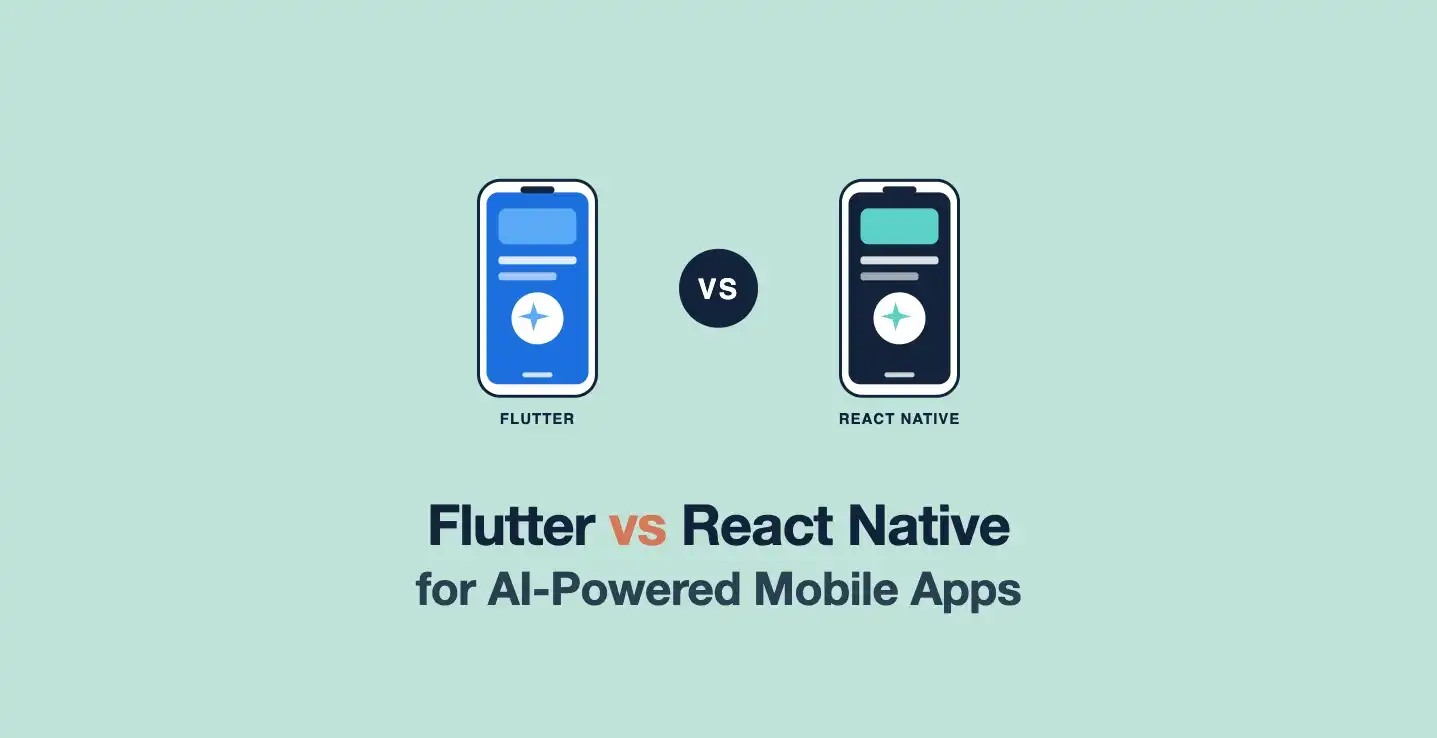
Flutter vs React Native for AI-Powered Mobile Apps: Real Project Data
Flutter and React Native both ship to iOS and Android from one codebase. For AI-powered mobile apps specifically, the streaming response rendering, background sync performance, and state management patterns differ in ways that matter at production scale. AppMatic Tech covers what the data from 150+ cross-platform builds shows.
AI in Construction: 5 Workflows That Actually Work in 2026
AI in construction is not a future promise in 2026. These five workflows are already running in production at construction firms, saving field teams hours each week on photo retrieval, compliance documentation, and project status reporting.

How Much Does AI-Native SaaS Development Cost in 2026?
AI-native SaaS development at AppMatic Tech is priced in fixed $1,500 modules of up to 8 features, from 1 to 2 modules for a focused MVP with a single LLM feature to 5 to 8 modules for a full product with multi-module AI integration, provider routing, and production-grade fallback handling. What drives the module count matters more than the range.
How to Build an MCP Server: A Practical Guide for Technical Teams
Building an MCP server involves four phases: defining resources, implementing the protocol handler, connecting the data access layer, and validating LLM query behaviour under realistic load. AppMatic Tech walks through each phase with the decisions that determine production readiness.
How Much Does MCP Server Development Cost in 2026?
MCP server development at AppMatic Tech is priced in fixed $1,500 modules: 1 module for a single-source integration, 2 to 3 for multi-source, and 3 to 5 for an enterprise build. AppMatic Tech breaks down what drives the module count, what a module includes, and what to watch out for when comparing agency quotes.
How Long Does MCP Server Development Take? Timeline Breakdown
A single-source MCP server takes 4 weeks from discovery to handover. Multi-source enterprise builds run 8 to 12 weeks. AppMatic Tech breaks down what happens in each week and what causes timelines to extend.
AI-Native SaaS Development: How Building Web Applications with AI Tools Changes Velocity Without Compromising Code Quality
AI-native development is not a shortcut; it is a restructuring of the development workflow around AI assistance. AppMatic Tech explains where AI tools accelerate SaaS builds, where human judgment is irreplaceable, and what quality gates prevent AI-assisted development from producing brittle codebases.
How to Build a Sub-500ms AI Conversation Pipeline: Groq, FastAPI, STT, TTS, and the Architecture Behind Real-Time AI Tutors
Real-time AI conversation fails when the end-to-end pipeline exceeds 500ms. AppMatic Tech explains the architecture behind a sub-500ms STT-to-LLM-to-TTS pipeline, including why Groq's LPU inference is the enabling technology, and how the FELA language learning app achieved this at 25,000 concurrent users.
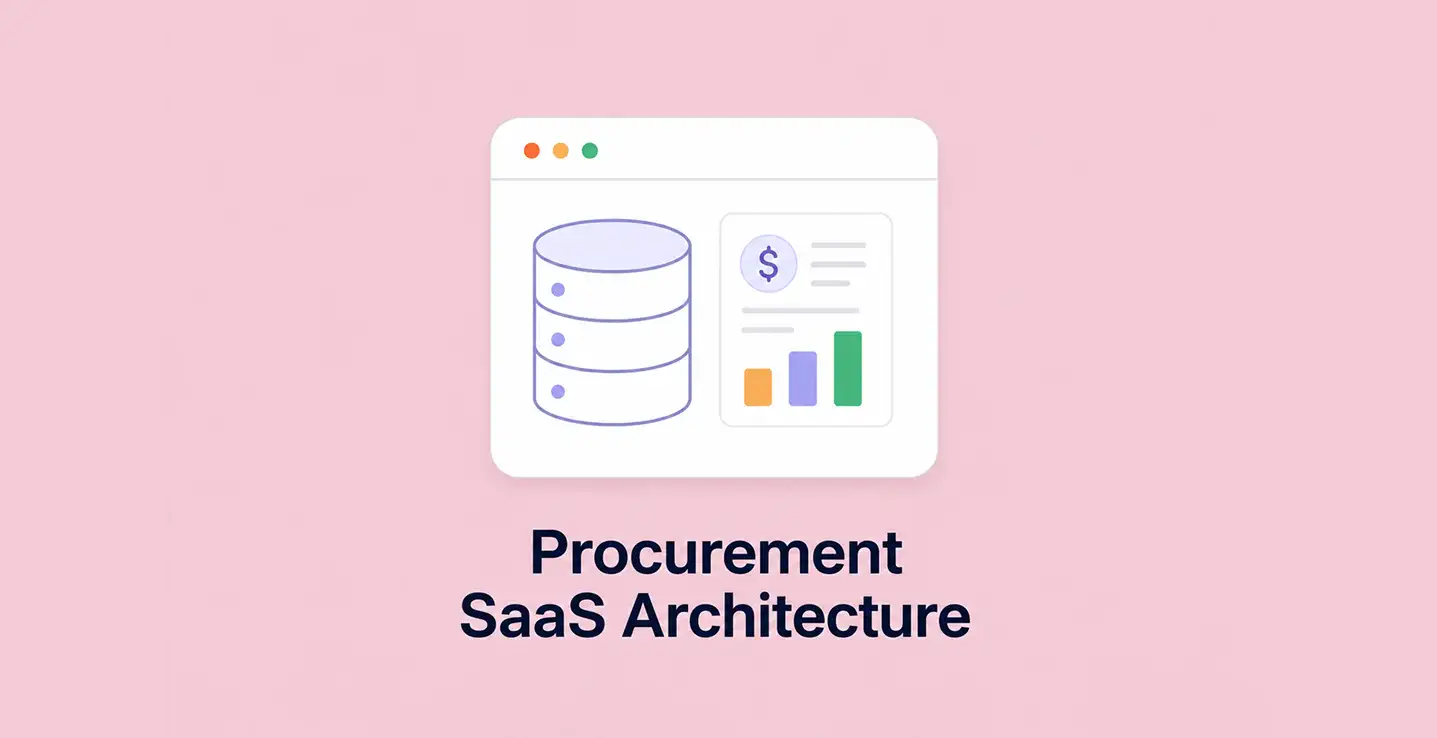
Enterprise Procurement SaaS Architecture: Database Design, Bid Engine Logic, and Stakeholder Notification at Scale
A procurement SaaS that handles vendor bids, automated totaling, and multi-stakeholder notification at enterprise scale requires specific database schema decisions, bid engine architecture, and notification layer design. AppMatic Tech documents the engineering patterns from a live pharma industry deployment.
What Is MCP Server Development and Why Healthcare Businesses Need It in 2026
Model Context Protocol (MCP) servers connect large language models to live business data. AppMatic Tech explains what MCP server development involves, which industries benefit most, and what a typical build looks like.

Remote Patient Monitoring App Architecture: Telehealth Video, BLE Device Pairing, and the Engineering Decisions That Define Clinical Reliability
Remote patient monitoring apps combine telehealth video, BLE medical device integration, and real-time clinical data pipelines in a single product. AppMatic Tech documents the architecture decisions, drawn from the Homecare2go and Capmedic builds, that determine whether a clinical app is reliable enough for healthcare deployment.
RAG vs MCP: Key Differences, When to Use Each, and How They Work Together (2026)
RAG and MCP solve different problems. RAG retrieves semantic matches from a vector store. MCP executes structured queries against live systems. AppMatic Tech explains when each approach is correct and why conflating them produces unreliable AI products.
How to Build a Real-Time Audio/Video Mobile App: Choosing Between Twilio, Agora, Daily.co, and Vonage
The SDK choice for real-time audio/video in mobile apps determines security model, geographic latency, and compliance posture. AppMatic Tech compares Twilio, Agora, Daily.co, and Vonage using criteria from a live telehealth deployment.
How to Scale an IoT Platform from 100 to 100,000 Devices: Architecture Decisions That Compound Early
IoT platforms that scale cleanly to 100,000 devices are designed differently from those that work for 100. AppMatic Tech explains the architecture decisions, covering MQTT broker selection, data storage, device provisioning, and independent component scaling, that determine whether a platform can grow without a rewrite.

How to Build a Multi-Language, Multi-Currency Travel App for International Markets: Architecture, Localisation, and Payment Layer Decisions
Travel apps serving international markets must handle language localisation, right-to-left layouts, currency conversion, timezone logic, and payment gateways that vary by country. AppMatic Tech explains the architecture decisions behind each layer.
FHIR API Integration for Mobile Health Apps: What Developers Building for US and International Healthcare Need to Know
FHIR R4 is the current interoperability standard for healthcare data. AppMatic Tech explains how FHIR API integration works in mobile health applications, covering resource types, SMART on FHIR authentication, and the compliance context that shapes every integration decision.
Native vs Cross-Platform Mobile Development: When to Choose Flutter, React Native, Swift, or Kotlin
Choosing between Swift, Kotlin, Flutter, and React Native shapes every downstream decision in a mobile project. AppMatic Tech breaks down the technical trade-offs and the conditions under which each framework produces the best outcome.
BLE vs Wi-Fi vs MQTT: Choosing the Right Protocol for IoT Mobile App Integration
The protocol choice for an IoT mobile app determines range, power consumption, data throughput, and architecture complexity. AppMatic Tech explains the technical trade-offs between BLE, Wi-Fi, and MQTT and the conditions under which each is correct.
GDS API Integration for Travel Tech: Comparing Amadeus, Sabre, and Travelport for Booking Platform Builds
Amadeus, Sabre, and Travelport give travel booking platforms access to global flight, hotel, and car inventory. AppMatic Tech compares the three GDS providers on API quality, content breadth, authentication model, and the practical engineering considerations for each integration.