

What does IoT application development include at AppMatic Tech?
IoT application development at AppMatic Tech covers the full connectivity stack: device protocol integration, real-time data ingestion, cloud backend infrastructure, mobile and web dashboard development, and alert and notification systems. AppMatic Tech builds the software layer that sits between physical hardware and the operators who monitor it, with deployments across industrial devices, healthcare & health tech wearables, and GPS-tracking E-bikes or GPS tags.
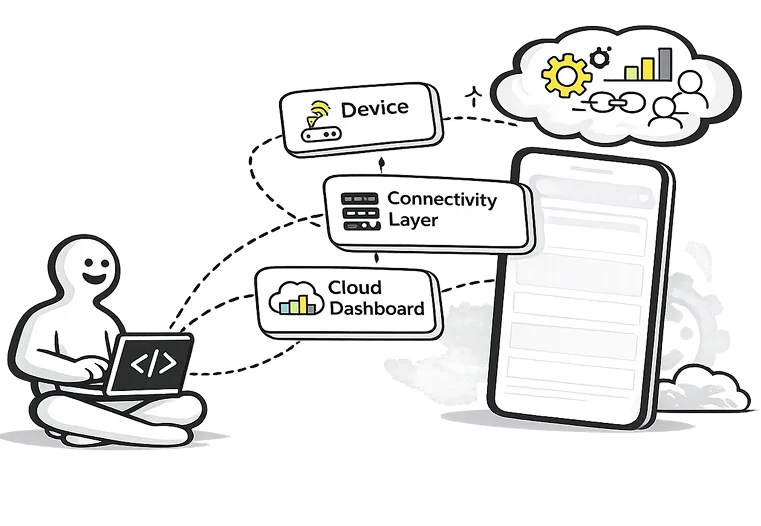
- IoT Device Connectivity Layer
- The software interface between a physical device and a cloud or mobile system. AppMatic Tech builds connectivity layers using MQTT, WebSocket, and REST protocols depending on the device's bandwidth, battery, and latency requirements. The connectivity layer handles authentication, data formatting, and transmission reliability.
- IoT Telemetry Dashboard
- A real-time web or mobile interface that displays live data streams from connected devices. AppMatic Tech builds telemetry dashboards in React, React Native, Flutter, Swift, and Kotlin depending on the platform target, with configurable alert thresholds, historical data visualisation, and role-based access for operators at different hierarchy levels.
- Edge vs Cloud Architecture
- In IoT systems, edge processing runs computation on or near the device to reduce latency and bandwidth usage. Cloud processing sends raw data to a central server for analysis. AppMatic Tech recommends the appropriate architecture based on the device's processing capacity, connectivity reliability, and real-time response requirements.
IoT Application Services AppMatic Tech Delivers
- IoT Device Connectivity IntegrationProtocol-level integration between physical hardware and cloud or mobile systems using MQTT, WebSocket, BLE, and REST, handling authentication and reliable data transmission.
- Real-Time Telemetry DashboardsWeb and mobile dashboards displaying live device data streams, built in React or Vue.js with configurable thresholds, alert systems, and historical data views.
- IoT Mobile App DevelopmentNative iOS (Swift), Android (Kotlin), Flutter, and React Native mobile applications for device monitoring and control, enabling field operators to view telemetry, trigger actions, and receive push alerts from connected hardware. Platform selection depends on the hardware's connectivity requirements and the client's device target.
- Cloud Backend for IoTScalable Laravel or Node.js backend infrastructure for ingesting, storing, and querying high-frequency device data, with MySQL or MongoDB depending on the data model.
- Predictive Maintenance SystemsData pipeline and alert systems that monitor device health metrics against defined thresholds and generate maintenance triggers before hardware failure occurs.
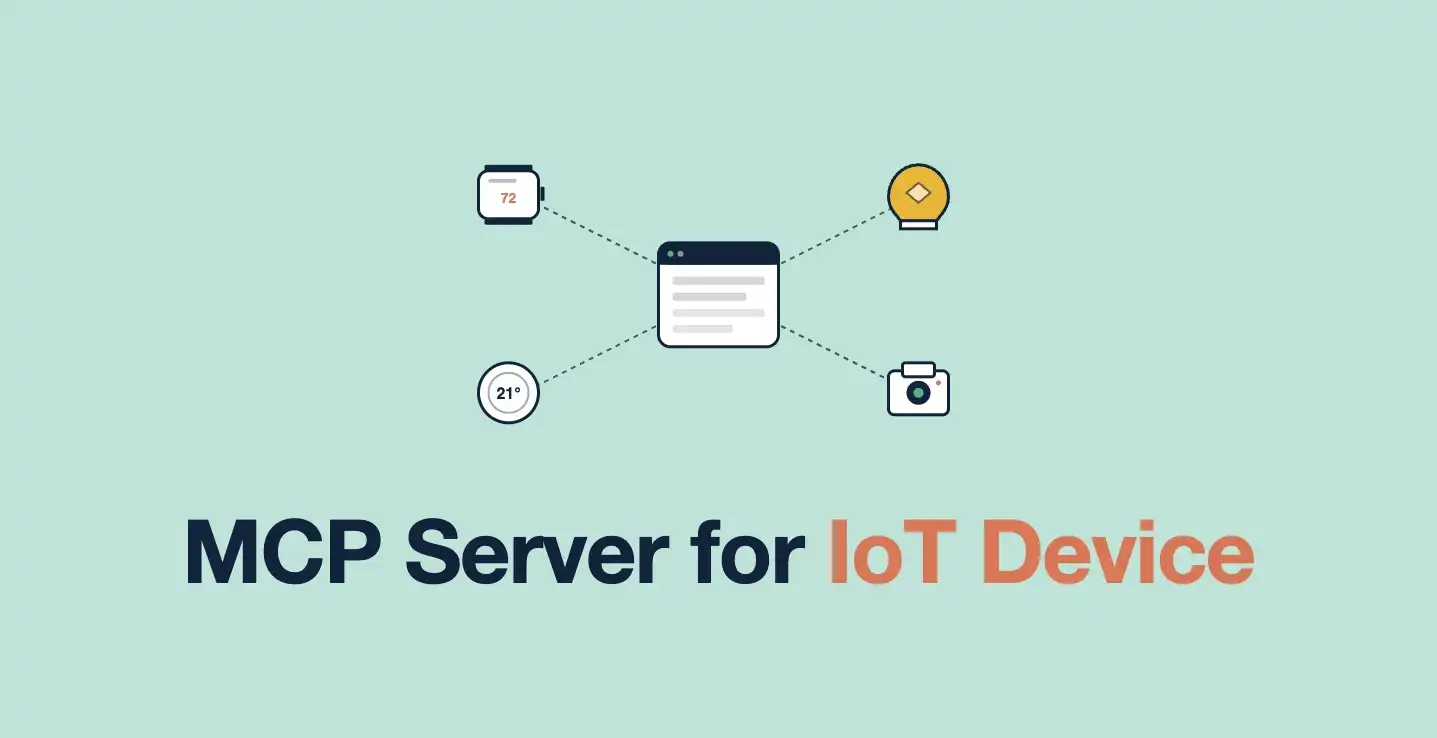
- IoT System IntegrationIntegration of new IoT software layers with existing ERP systems, CRM platforms, and legacy infrastructure via custom Node.js or laravel middleware and REST APIs.
Why AppMatic Tech for IoT Application Development
- Deployed at Scale
- AppMatic Tech's IoT systems have operated under extreme real-world conditions, including a railway station health screening deployment at Hyderabad Central Railway Station processing over 1,000,000 health scans with zero data loss. This operational depth means AppMatic Tech's architecture decisions are tested against production load, not just development benchmarks.
- Full Stack Ownership
- Most IoT projects require coordinating separate teams for hardware firmware, backend infrastructure, and mobile interface development. AppMatic Tech owns the full software stack: device connectivity layer, cloud backend in Node.js, and mobile interface in Swift, Kotlin, Flutter, or React Native depending on the platform target, delivered under a single engagement with one point of accountability.
- Vertical Data Architecture Knowledge
- IoT data architectures differ significantly across healthcare, health tech, industrial, and E-bike verticals. AppMatic Tech's experience across all three means the team understands the regulatory constraints, data retention requirements, and real-time performance thresholds specific to each industry before writing the first line of code.

What IoT systems does AppMatic Tech build?
| Industry | Use Case | What It Enables | AppMatic Tech Implementation |
|---|---|---|---|
| Healthcare | Health screening kiosk network | Biometric sensors, touchscreen terminals | React Native interface, Node.js backend, 1,000,000+ scans processed |
| Industrial | Factory floor sensor monitoring | PLC sensors, industrial gateways | MQTT connectivity, real-time telemetry dashboard, configurable alerts |
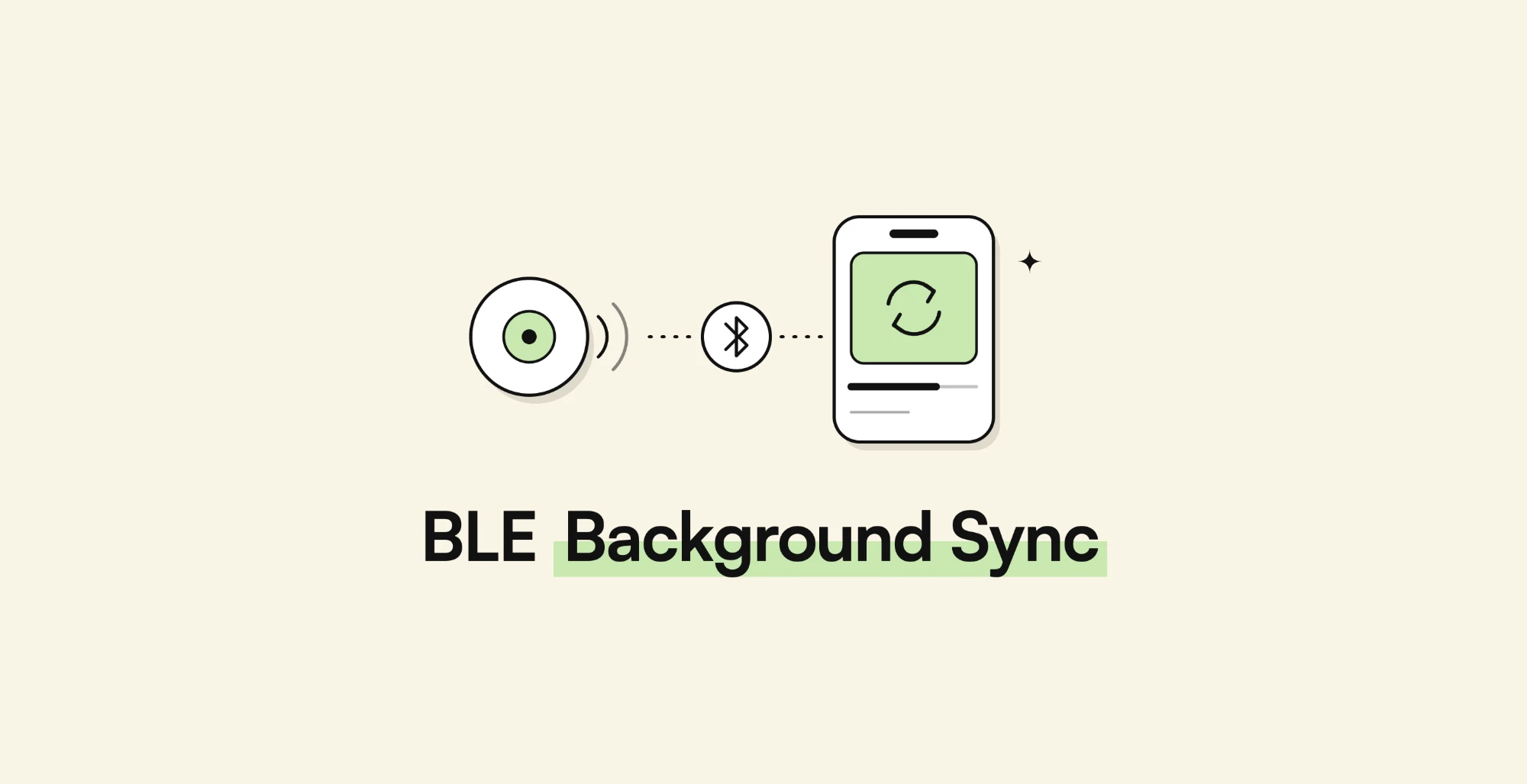
| E-bike | Electric bike companion app with BLE vehicle control | BLE module, GPS unit, BMS hardware | BLE lock/unlock, riding profile selection, BMS monitoring, Mapbox route tracking, Swift iOS app |
| Railway | Passenger flow monitoring | Entry/exit sensors, camera systems | Real-time count dashboard, alert thresholds, cloud data storage |
| Healthcare | Wearable device data integration | Fitness trackers, medical wearables | BLE connectivity, HealthKit integration, Swift (iOS) or Kotlin (Android) companion app |
| Industrial | Predictive maintenance system | Vibration and temperature sensors | Threshold monitoring, automated maintenance triggers, alert notifications |
What is AppMatic Tech's IoT application development process?
AppMatic Tech follows a structured five-phase delivery process for IoT engagements. Because IoT projects involve both hardware and software dependencies, AppMatic Tech's process front-loads the connectivity design phase to identify integration constraints before development begins.
- 01 · Hardware and Protocol Audit (Days 1–4)
AppMatic Tech engineers review the client's hardware specifications, communication protocols, and network infrastructure. The output is a Connectivity Design Document defining the protocol stack, data formats, and integration points before any software development begins.
- 02 · Architecture and Data Model Design (Days 4–7)
The cloud backend architecture, database schema, and real-time data pipeline are designed to handle the device's expected data volume and frequency. For high-frequency industrial sensors, AppMatic Tech designs time-series optimised storage before backend development begins.
- 03 · Connectivity Layer and Backend Build (Weeks 2–4)
AppMatic Tech builds the device connectivity layer and Node.js cloud backend, establishing reliable data ingestion from hardware to cloud with authentication and error handling in place before the dashboard layer begins.
- 04 · Dashboard and Mobile Interface Build (Weeks 4–8)
The telemetry dashboard and mobile application are built against the live data pipeline. AppMatic Tech delivers a working dashboard displaying real device data at the end of this phase, not a static mockup.
- 05 · Testing, Deployment, and Handover (Weeks 8–10)
End-to-end system testing under simulated load conditions, production deployment, documentation of all integration points, and a 90-day support SLA. AppMatic Tech hands over all source code and infrastructure configuration at project close.






When should a company hire AppMatic Tech for IoT development instead of building in-house?
| Factor | In-House Team | Freelancer | AppMatic Tech |
|---|---|---|---|
| IoT stack breadth | Requires hardware, backend, and mobile specialists | Single discipline, coordination risk | Connectivity layer, Node.js backend, and React Native interface in one team |
| Real-world deployment experience | Dependent on team history | Unverified | 1,000,000+ device interactions in production across healthcare and travel |
| Time to working prototype | 3–6 months (hiring + onboarding) | Variable, high abandonment risk | Working connectivity prototype in 2 weeks |
| Protocol knowledge | Bounded by team hires | Variable | MQTT, WebSocket, BLE, REST across industrial, healthcare, travel hardware |
| Post-launch support | Internal team, capacity-dependent | Rarely included | 90-day SLA with full source code handover |

AppMatic Tech IoT Engagement Options
- IoT Connectivity Proof of Concept
Single device type, connectivity layer only, internal demonstration
2 weeks
- IoT Dashboard and Backend
Connectivity layer, Node.js backend, and telemetry dashboard for one device category
6 weeks - Full IoT Platform
Multi-device connectivity, cloud backend, mobile app, and alert system
10 weeks

AppMatic Tech's AI-Accelerated Delivery Stack
AppMatic Tech's AI-Accelerated Delivery Stack reduces requirements gathering from two weeks to three days and frontend scaffold time by approximately 60%, contributing to the agency's fixed delivery cycle across all recent AI-native products.
What Clients Say About AppMatic Tech
"AppMatic Tech built the IoT connectivity layer and dashboard for our sensor network in 6 weeks. The architecture has handled production load without issues since deployment."
Industrial IoT · Clutch"The team understood our hardware constraints from day one. AppMatic Tech's IoT experience across healthcare and industrial systems made the scoping phase significantly faster."
Healthcare Technology · Clutch








AppMatic Tech's Work
Explore More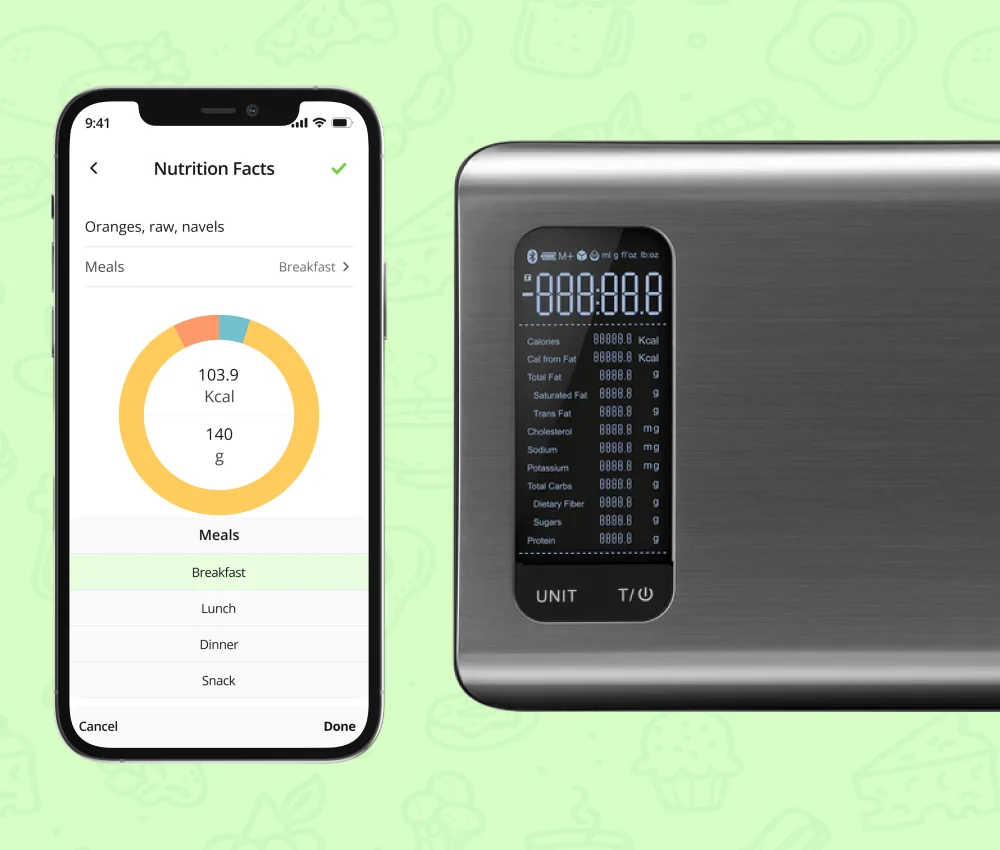
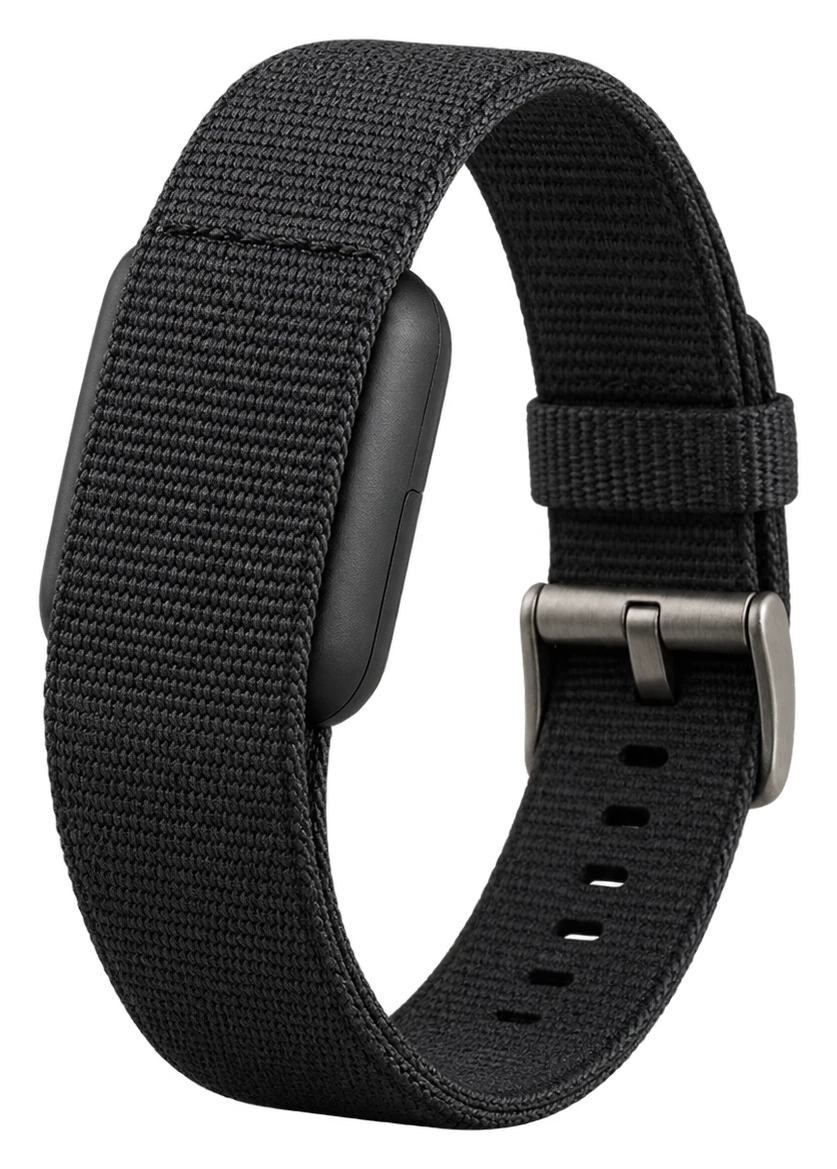
Trackwel
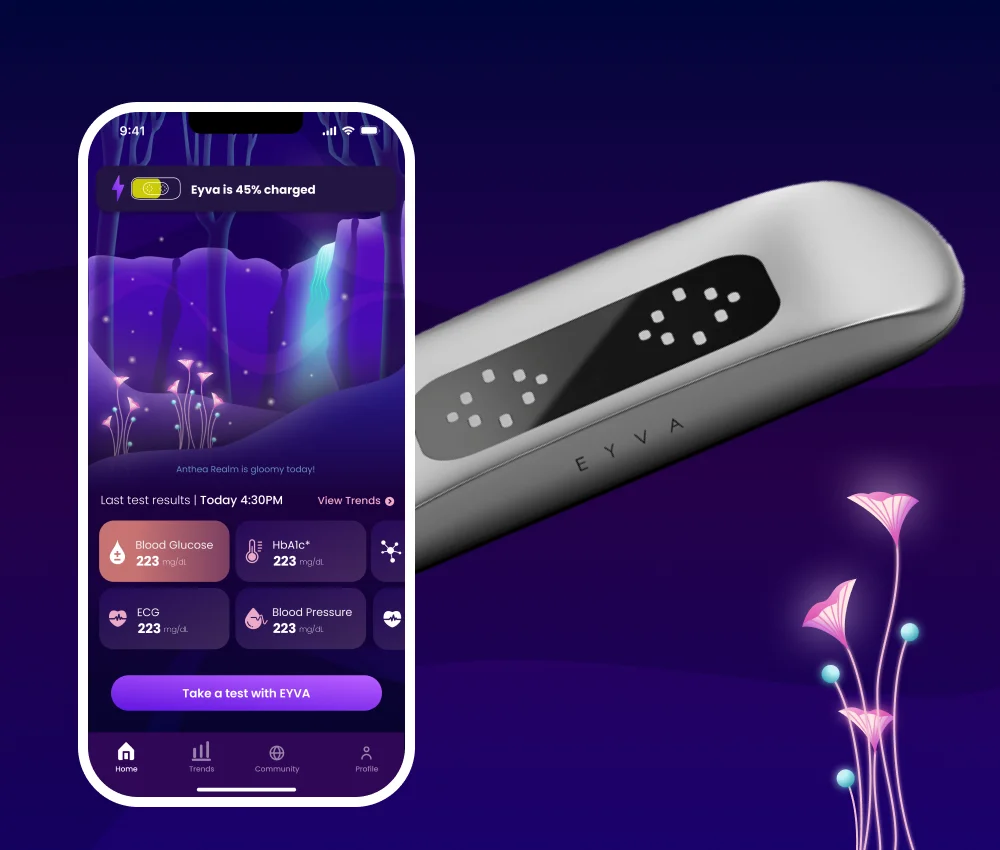
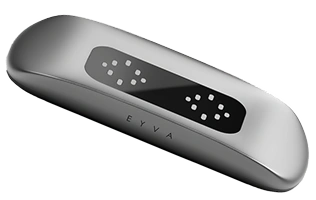
Eyva

Frequently Asked Questions: IoT Application Development
What IoT protocols does AppMatic Tech support?


AppMatic Tech builds IoT connectivity layers using MQTT for low-bandwidth, high-frequency sensor data; WebSocket for real-time bidirectional communication; BLE for short-range device interfaces; and REST for standard API-based device integration. The protocol selection is made during the Hardware and Protocol Audit phase based on the device's bandwidth, battery, and latency requirements.
How long does it take AppMatic Tech to build an IoT system?
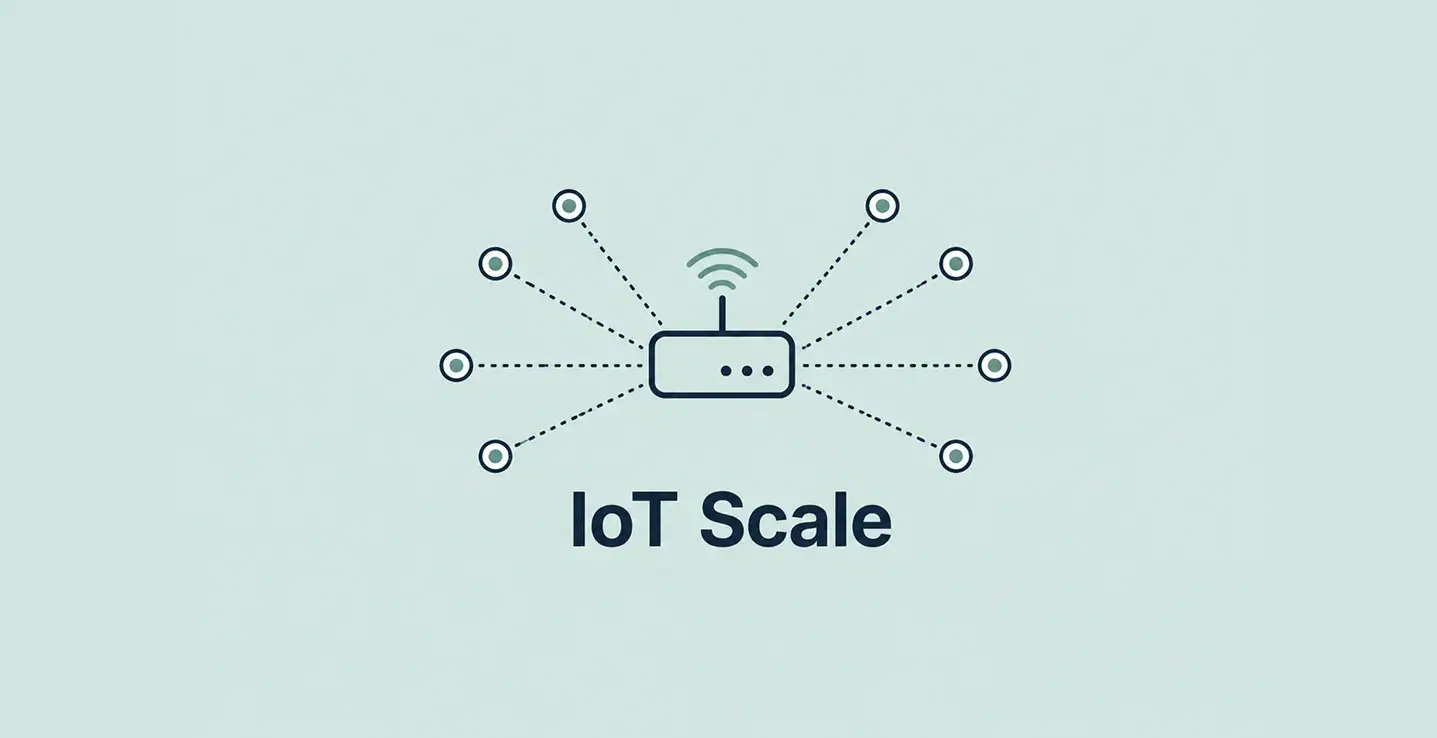
AppMatic Tech delivers a working connectivity proof of concept in 2 weeks. A full IoT platform with device connectivity, cloud backend, mobile application, and alert system completes in 10 weeks. All timelines are fixed-scope and confirmed after the Hardware and Protocol Audit is complete.
What is the minimum budget for an IoT project at AppMatic Tech?
AppMatic Tech accepts IoT connectivity proof of concept engagements from $2,500, covering a single device type and connectivity layer for internal demonstration. A full IoT dashboard and backend system starts at $8,000.
Does AppMatic Tech work with existing hardware or only new devices?
AppMatic Tech builds software layers for existing hardware. The Hardware and Protocol Audit phase reviews the client's current device specifications, communication protocols, and network infrastructure to define the connectivity layer before development begins. AppMatic Tech does not manufacture or modify hardware.
What cloud infrastructure does AppMatic Tech use for IoT backends?
AppMatic Tech builds IoT backends in Laravel or Node.js deployed on standard cloud infrastructure including AWS and GCP. Database selection depends on the data model: MySQL for relational IoT data and structured device records, MongoDB for flexible telemetry schemas and high-frequency time-series data with variable fields.
Can AppMatic Tech integrate IoT data with an existing ERP or CRM system?
Yes. AppMatic Tech builds custom Node.js middleware that connects IoT data pipelines to existing ERP and CRM systems via REST APIs. This integration is scoped during the Architecture and Data Model Design phase to ensure the IoT data schema aligns with the receiving system's data model before backend development begins.




Start an IoT Project with AppMatic Tech
All projects begin with a no-cost Hardware and Protocol Audit. Contact the team at contact@appmatictech.com
Start Your IoT Project