
Guided Video Workout Libraries
Structured programming
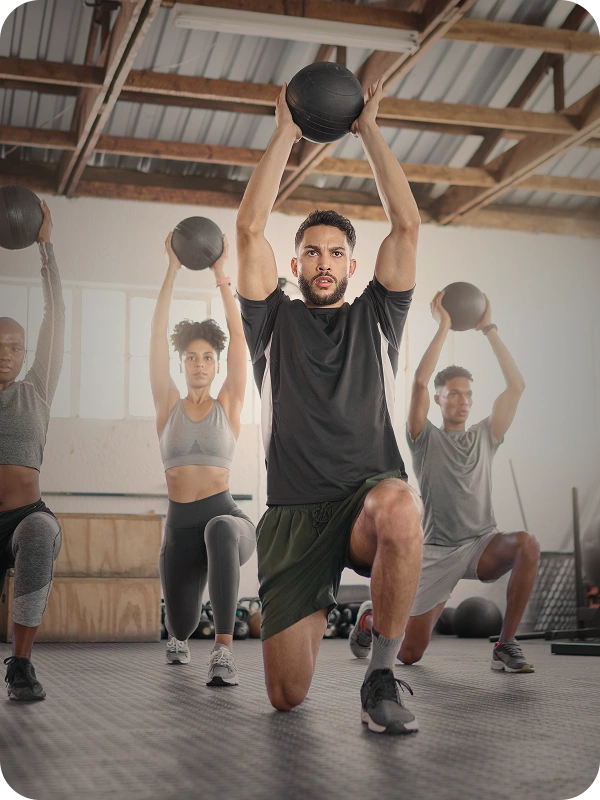
Guided video playback that starts instantly, even on a saturated gym connection.
- Pre-session video caching
- Offline and low-bandwidth playback
- Background sync on new programming


AppMatic Tech engineers sports and fitness applications, connected wearable and BLE device integrations, athlete performance tracking platforms, and team management systems in Swift, Kotlin, Flutter, React, and Laravel. AppMatic Tech is based in Ahmedabad, India, with 330+ products shipped since 2017 at 83% client retention.

AppMatic Tech builds digital platforms for fitness brands, gyms, yoga studios, and wellness startups: training apps, connected device integrations, and membership systems engineered to lift retention and recurring revenue.
View Case Studies


Fitness products lose members in the weeks after signup, not at launch. AppMatic Tech builds the social and community layer that carries members through that window: member profiles, activity feeds, follow graphs, and in-app messaging, driven by real session data rather than a generic push schedule.
AppMatic Tech designs and builds fitness and yoga platforms in Swift, Kotlin, Flutter, and React on Laravel backends, delivered fixed-scope with full source-code ownership at handover.
AppMatic Tech covers the full stack a fitness business runs on: member-facing apps, class booking and membership billing, connected device integration, and the interface and brand design that holds it together. Every engagement is fixed-scope and fixed-price, with full source-code ownership at handover.
View All Case Studies Member Apps and OnboardingSign-up, check-in, and first-session flows built so a new member reaches their first logged workout without a staff handover.
 Class Booking and MembershipCapacity limits, waitlists, and cancellation windows on one side, tiered membership billing with trials and pauses on the other.
 Wearables and Connected EquipmentBLE pairing, reconnect handling, and offline-first sync so a reading taken away from signal still lands in the member's history.
 Brand and Interface DesignInterface systems, campaign artwork, and design libraries that keep a fitness brand consistent from the app to the studio wall.
Guided video workouts, session logging, and progress charts as native iOS and Android or Flutter clients, with offline capture for gym dead zones.
Class booking with capacity limits, waitlists, cancellation windows, and trainer calendars, priced per membership tier rather than per transaction.
Adaptive session suggestions generated from logged history, recovery signals, and stated goals, built AI-native from the first sprint.
Apple HealthKit, Google Fit, and Health Connect alongside direct BLE pairing with wearables, smart scales, heart-rate straps, and connected equipment.
Food database APIs, portion capture from connected scales, and body-metric history charted against training load rather than in isolation.
React admin dashboards with role-based access covering rosters, content publishing, adherence reporting, and revenue analytics.
AppMatic Tech builds member apps, class booking systems, and connected device integrations for commercial gyms, boutique yoga and pilates studios, sports academies, and wearable equipment brands, in Swift, Kotlin, Flutter, and React on Laravel and Node.js backends. Device-side work for smartwatches, bands, and rings is covered in wearable app development.
At AppMatic Tech, sports and fitness brands get a fixed-scope engineering team: member apps in Swift, Kotlin, and Flutter, class booking and membership billing on Laravel, and BLE integration with the wearables members already own. Engineered in Ahmedabad, India, and shipped on a written timeline.





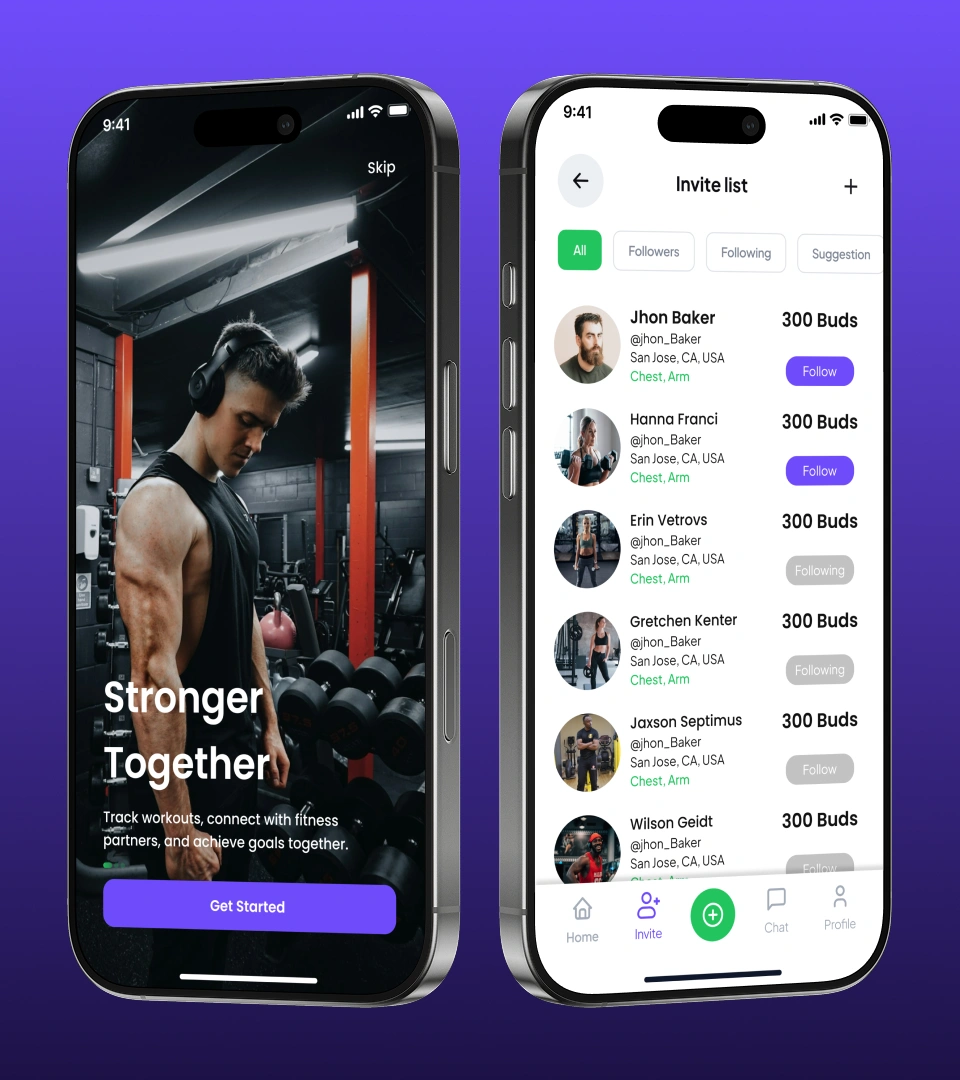
AppMatic Tech builds sports and fitness products in three groupings: training and workout apps, connected fitness products that pair with hardware, and the team, league, and studio platforms that run the business behind the training. Each grouping shares one delivery core of session data, progress history, and subscription billing.
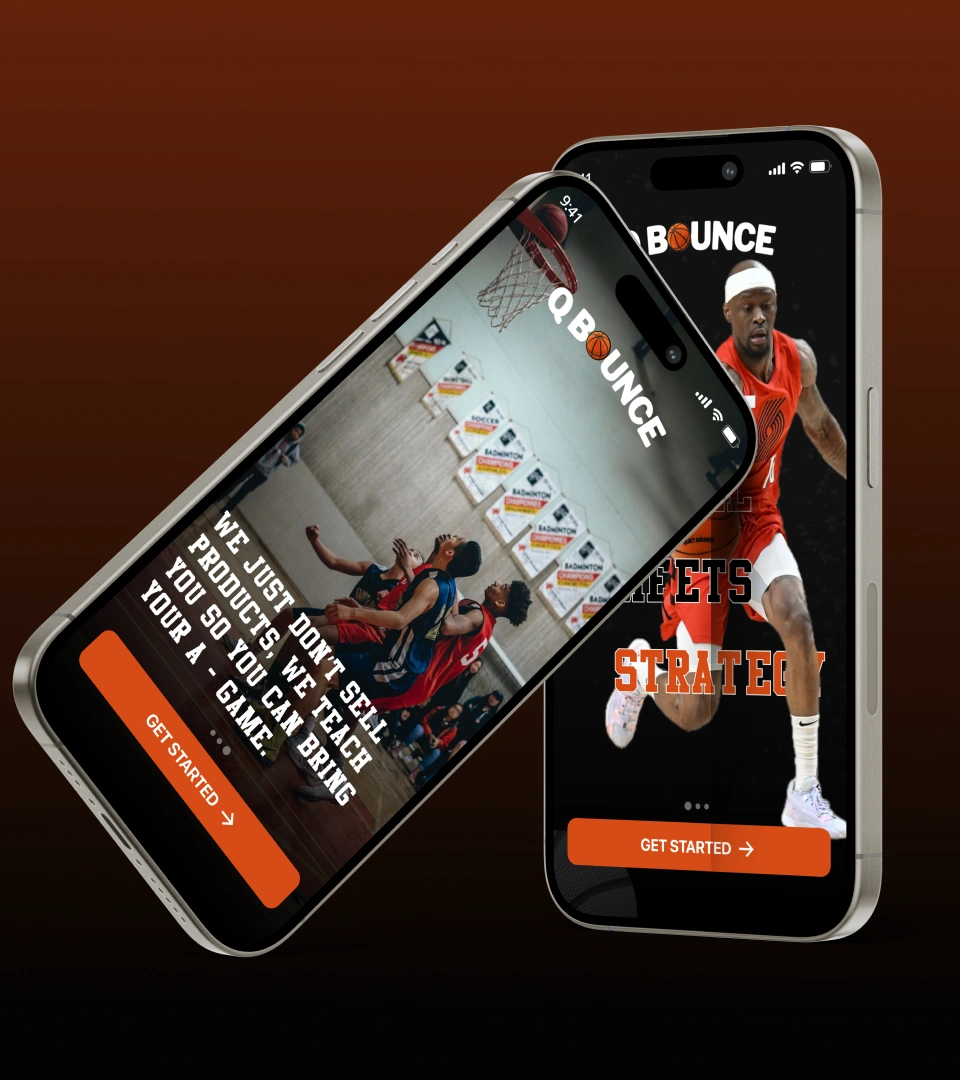
AppMatic Tech builds training apps around guided video delivery and session completion, not around catalog browsing. On QBounce, drill videos are pre-cached before a session starts so playback is instant with no buffering on a gym Wi-Fi connection. Progress history, streaks, and points-based leaderboards are modeled at the data layer so coaches can measure athlete adherence rather than downloads.
Structured programming
Guided video playback that starts instantly, even on a saturated gym connection.
Session history
Logged sets resolved into trend lines rather than a list of past sessions.
Adaptive programming
Session suggestions generated from logged history, recovery signals and stated goals.
Social layer
Activity feeds and messaging with the moderation tooling to keep them manageable.
AppMatic Tech builds the mobile layer for connected fitness hardware: Bluetooth Low Energy pairing, characteristic mapping, reconnect and background-state handling, and offline-first sync of readings captured while the phone was out of range. On Trackwel, AppMatic Tech worked directly with the manufacturer at factory level to integrate a BLE smart kitchen scale and delivered the MVP in ten weeks.
Hardware integration
Pairing and reconnect logic engineered with the manufacturer, not around them.
Platform health stores
Phone-native activity and body-metric data read and written through the OS health store.
Intake and metrics
Food database integration with portion capture from connected scales.
Connectivity resilience
Readings taken away from signal are queued on device and reconciled on reconnect.
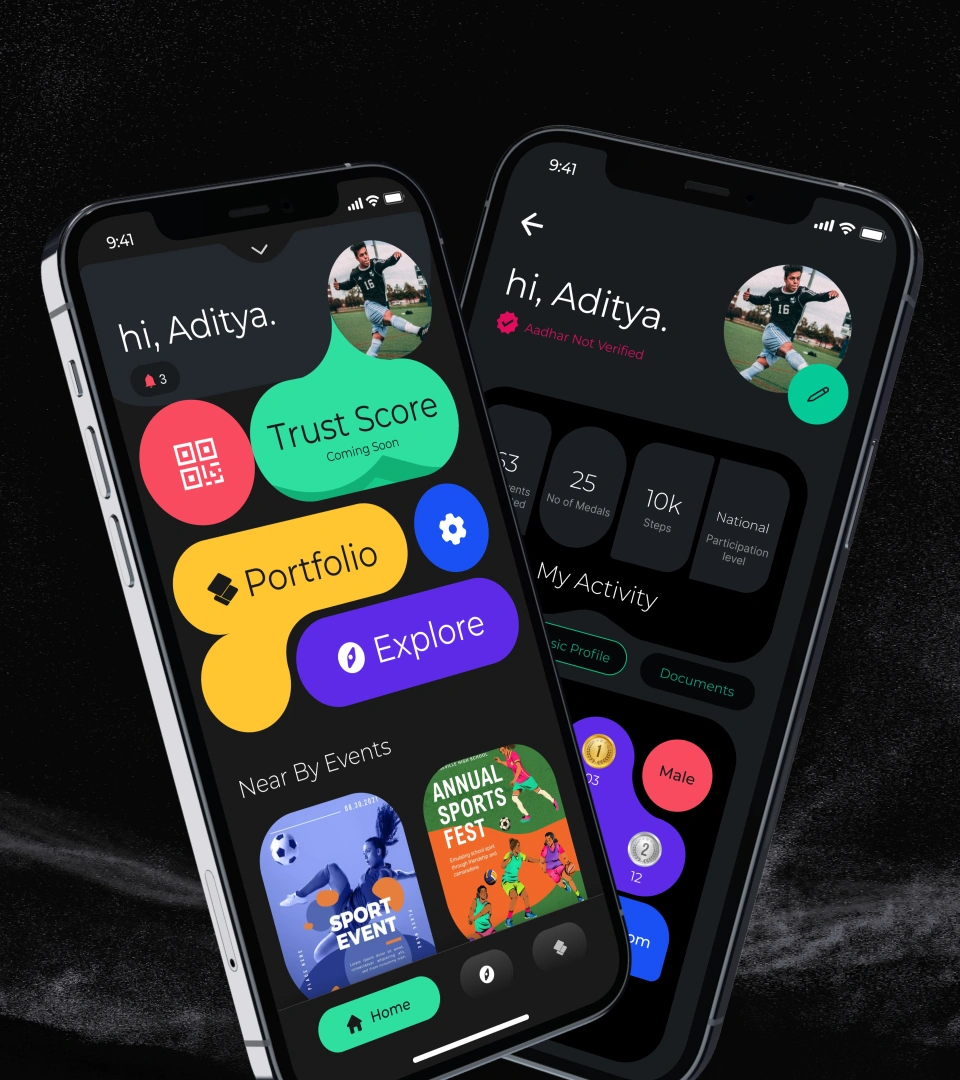
AppMatic Tech builds the operational platforms behind sports organizations: athlete identity and profile systems, roster and recruitment tooling, scheduling and booking engines, and subscription billing. On Sportskeyz, AppMatic Tech took over an in-flight digital athlete identity build and shipped native iOS and Android clients that launched with 20,000 users on trial access.
Player records
Digital athlete cards built for distribution across recruiting networks.
Capacity and calendars
Booking rules modeled at the data layer so new locations open without a rebuild.
Recurring revenue
Stripe and Razorpay engines with membership state handled server-side.
Operations layer
React admin panels behind role-based access for the people running the program.
Seed to Series B
Startups that need a shipped product rather than a prototype, with a launch date attached to a funding milestone.
Wearables and equipment
Hardware companies shipping devices that need a mobile layer speaking to them reliably.
Multi-location operations
Operators running class schedules across sites who need booking, billing and trainer tooling in one system.
Seasonal programs
Academies and leagues managing rosters, athlete profiles and training programming through a season.
Fitness products fail on retention, device reliability, and video cost long before they fail on features. AppMatic Tech engineers against those failure modes from the architecture phase rather than patching them after the first churn report.
The real failure mode
Fitness products lose members on habit, not features.
BLE in the wild
A reading that needs three attempts is a reading members stop taking.
Cost per active member
Delivery priced against how members actually consume sessions.
Offline capture
Basements, back rooms and steel-framed studios all break connectivity.
Body metrics and PHI
Body-metric data carries obligations most fitness stacks ignore.
January and pre-season
Infrastructure sized to peaks rather than annual averages.
Every sports and fitness engagement runs through the same six phases, ending in a fixed price and a fixed timeline written into a Technical Scope Document before development starts.
A no-cost Discovery session establishes the training model, session volume, device integration requirements, and monetization plan. AppMatic Tech defines scope, retention metrics, and the technology stack before a line of code is written.
AppMatic Tech architects the session data model, progress history, video delivery path, and BLE or health-store integration layer first, because those four decisions are the expensive ones to reverse after launch.
AppMatic Tech designs the training, logging, and pairing flows against real usage conditions: mid-set, one-handed, and often on a weak connection. Interactive prototypes are validated with target users before development begins.
Native iOS and Android, Flutter, or React clients are built against a Laravel or Node.js backend in two-week sprints, with a working build shipped to the client at the end of every sprint.
AppMatic Tech tests against physical devices, not simulators: pairing reliability, reconnect behavior, battery impact during long sessions, and video playback on constrained gym networks.
App Store and Play Store submission, launch monitoring against the agreed capacity targets, and ongoing support under a defined SLA, delivered by the team that built the product.
White-label fitness platforms ship a template quickly and stop where the template stops. AppMatic Tech engineers sports and fitness products around device integration, retention data, and the monetization model, with full source-code ownership.
| Capability | AppMatic Tech Custom Build | White-Label Fitness Platform |
|---|---|---|
| Hardware and wearable integration | BLE characteristic mapping done with the manufacturer at factory level, as delivered on Trackwel | Limited to whichever devices the vendor already supports |
| Video delivery | Pre-caching, adaptive ladders, and CDN delivery sized to the session pattern, as delivered on QBounce | Single hosted player, delivery cost rises with every active member |
| Retention data | Streaks, adherence, and progress history modeled at the data layer and queryable for re-engagement | Fixed dashboard metrics with no access to the underlying event data |
| Code ownership | Full source-code ownership transferred to the client at handover | Licensed platform, migration means rebuilding from zero |
| Pricing model | Fixed-scope, fixed-price, confirmed in a written Technical Scope Document | Per-member recurring fees that scale with membership growth |
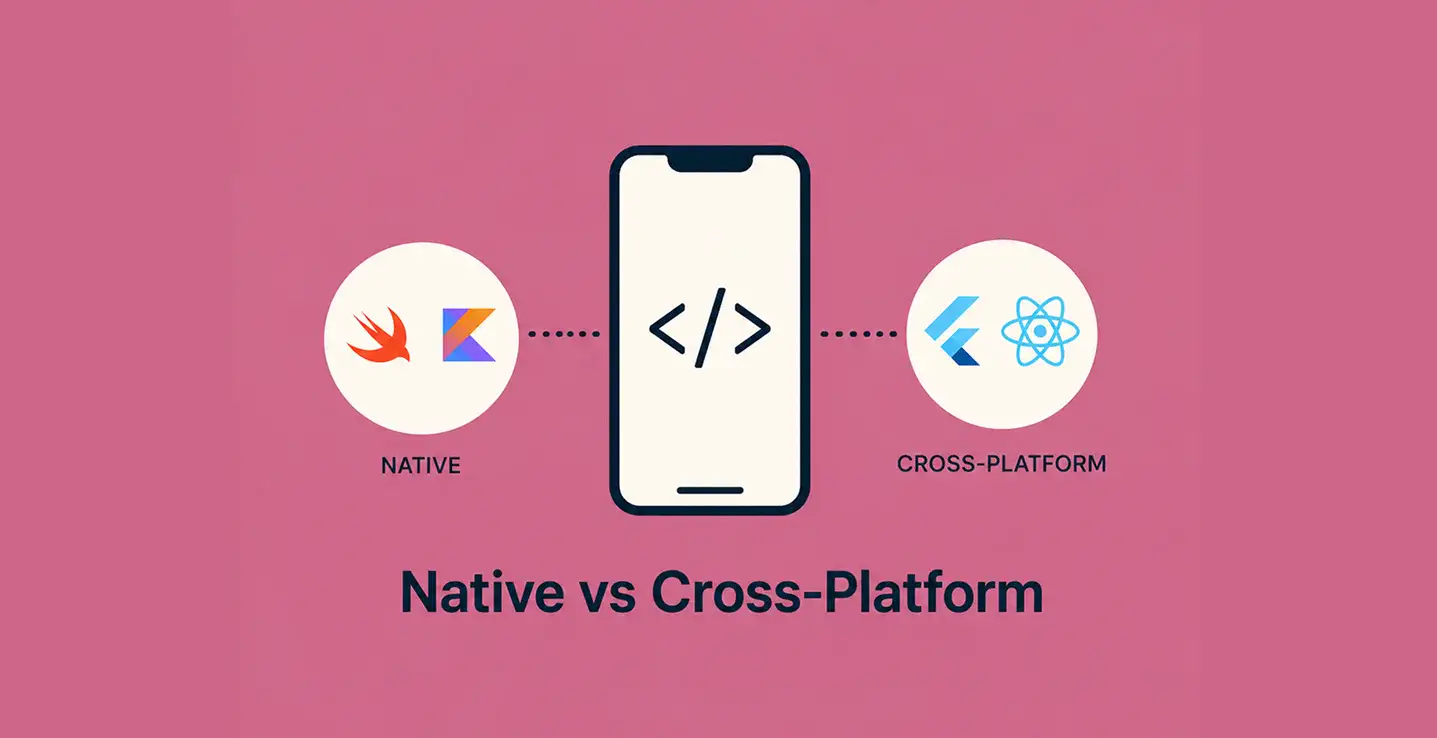
AppMatic Tech selects the client framework, backend, and delivery layer per product based on device integration depth, session volume, and video load, not a fixed template applied to every client.
Native and cross-platform
Framework chosen against how deep the product reaches into the device, not by default.
Sensors and health stores
Direct hardware communication alongside the phone's own health store.
APIs and persistence
Sized to session write volume rather than to registered user counts.
Playback pipeline
Selected against how members actually consume training sessions.
Billing engines
Membership state handled server-side rather than trusted to the client.
AI-native, not bolted on
Adaptive programming and conversational coaching built from the first sprint.







AppMatic Tech has earned Clutch Global awards across Spring and Fall 2024, ranked among the highest-performing B2B companies by industry and service focus.
Thirty minutes with the AppMatic Tech engineering team covers the training model, the device integrations it needs, and what a fixed-scope build looks like. No deck. Just answers.
Book a Discovery Session
AppMatic Tech builds workout and training apps with guided video playback, connected fitness apps that pair with BLE wearables and smart equipment, athlete performance and progress tracking dashboards, sports team and league management platforms, nutrition and body-composition tracking apps, and gym and studio booking systems for iOS, Android, and web. AppMatic Tech has shipped 330+ products from Ahmedabad, India since 2017.
AppMatic Tech builds sports and fitness software for fitness and wellness startups, connected fitness hardware companies, gyms and boutique studio chains, sports academies and youth training programs, teams and league operators, and coaches and trainers distributing programming direct to athletes. Each build is scoped to session volume, device integration requirements, and the subscription model the operator runs.
AppMatic Tech integrates Apple HealthKit, Google Fit, and Health Connect for phone-native activity data, and Bluetooth Low Energy for direct device communication with wearables, smart scales, heart-rate straps, and connected equipment. On the Trackwel build, AppMatic Tech worked at factory level with the hardware manufacturer to integrate a BLE smart kitchen scale and shipped the MVP in ten weeks.
Fitness app development at AppMatic Tech starts at $2,500 for a single well-scoped integration such as HealthKit, Google Fit, or a payment layer, and $5,000 for a workout or sports app MVP. A connected fitness app with BLE device integration starts at $8,000, and a multi-platform sports and fitness SaaS with mobile, web, and admin clients starts at $25,000. All pricing is fixed-scope.
A single integration such as HealthKit, Google Fit, or a payment layer takes 4 weeks. A workout or sports app MVP takes 6 to 8 weeks. A connected fitness app with BLE device integration takes 10 weeks, the timeline AppMatic Tech delivered Trackwel in. A multi-platform sports and fitness SaaS takes 16 weeks. All timelines are fixed-scope commitments confirmed in a written Technical Scope Document.
AppMatic Tech builds training apps around video delivery cost and playback reliability rather than raw catalog size. On QBounce, AppMatic Tech engineered pre-session video caching so drill videos play instantly without buffering, alongside background content sync for new programming. Adaptive HLS streaming, offline downloads, and CDN edge delivery are selected against the session pattern each product actually runs.
Every engagement starts with a no-cost Discovery session. Contact the team at contact@appmatictech.com.
Start a Sports or Fitness Build