

Sportskeyz: Digital Sports Identity Card App, Mid-Project Takeover to 20,000 Trial Users in Eight Months
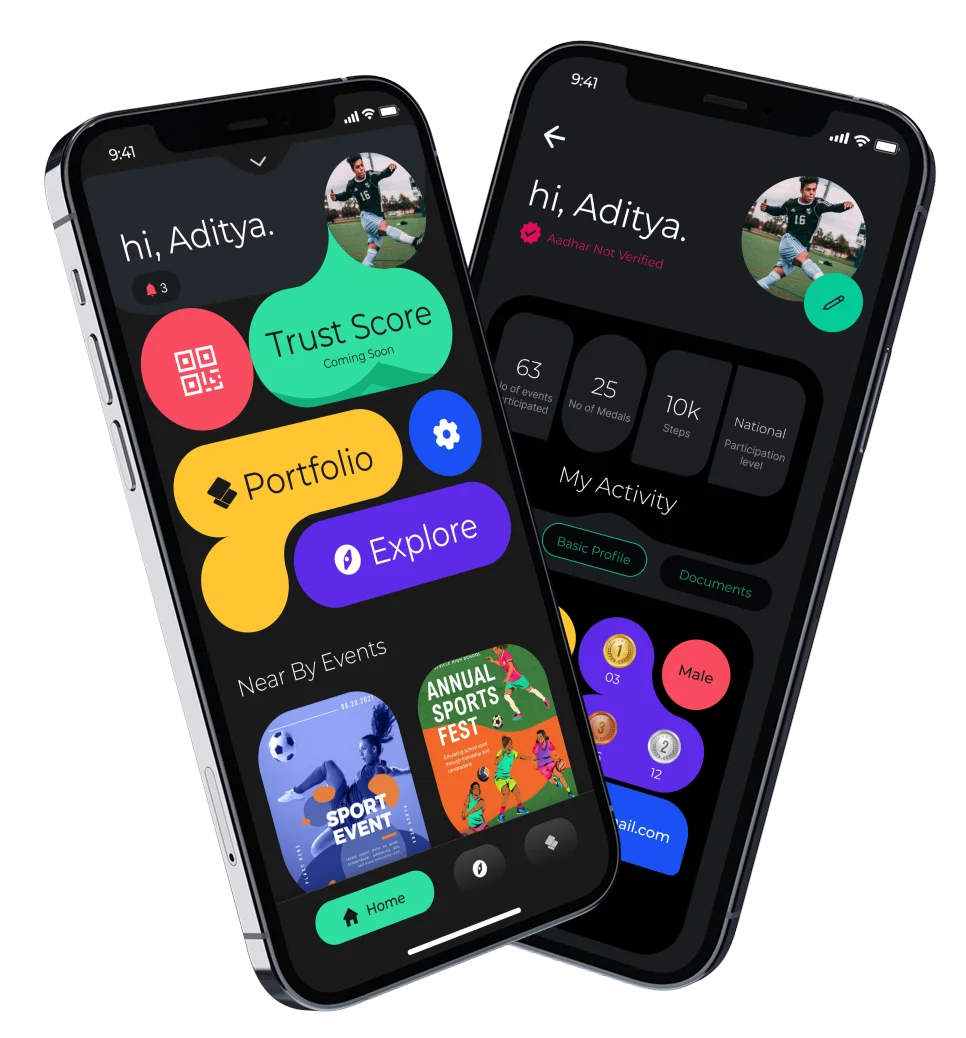
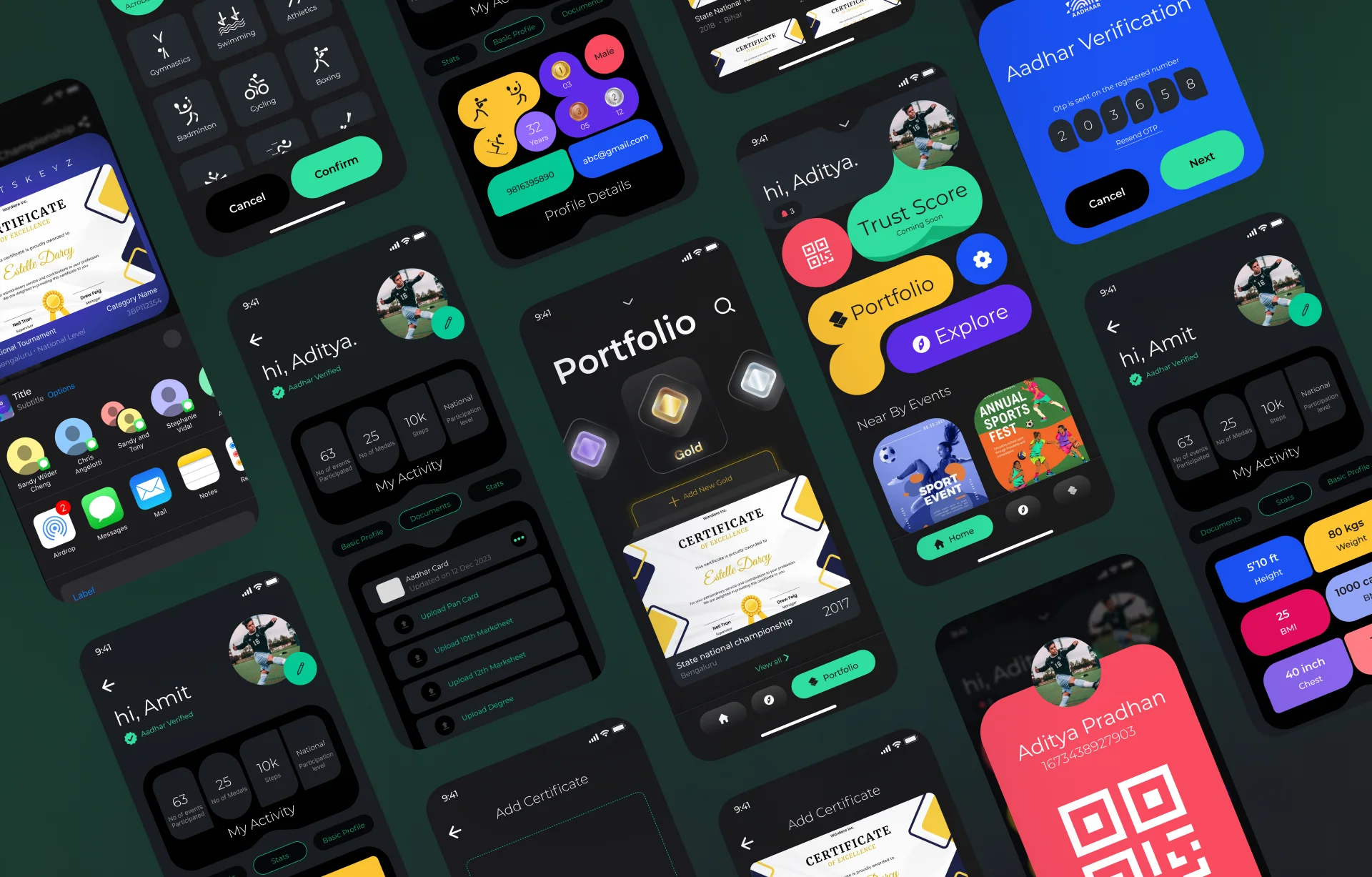
AppMatic Tech took over the Sportskeyz digital sports identity app mid-development and delivered a production-ready iOS and Android MVP across an eight-month engagement. AppMatic Tech stabilised the inherited codebase, completed native iOS and Android development, improved UI/UX across the digital card creation and sharing flows, and integrated third-party APIs. Sportskeyz launched with 20,000 users offered trial access.
The Challenge Sportskeyz Faced After a Stalled First Development Engagement
Sportskeyz came to AppMatic Tech at a critical juncture: an initial development engagement with another vendor had stalled, and the startup needed a technical partner who could take over the existing codebase, stabilise it, and drive it to a shippable MVP without losing time. The mid-project takeover required AppMatic Tech to assess the inherited iOS and Android codebases, resolve accumulated technical debt from the previous engagement, and bring both apps to a stable and testable baseline before continuing feature development. AppMatic Tech then completed the UI/UX improvements, API integrations, and performance optimisations required to get the Sportskeyz digital sports card to a product athletes could actually use and share, launching with 20,000 trial users onboarded.
Digital Athlete Identity and Sports Recruitment Platforms, Competitive Analysis
AppMatic Tech mapped the competitive landscape during the Sportskeyz engagement to identify the gap between US-centric recruitment tools and the portable, sport-agnostic digital athlete identity product Sportskeyz needed to be.
| Company | Unique Value Proposition | Company Advantage | Company Disadvantage |
|---|---|---|---|
 | Video Analysis and Athlete Recruitment Profiles for Team Sports: Hudl combined video analysis with structured athlete recruitment profiles, becoming the industry standard for US college recruitment with strong adoption among coaches and athletic programs. | Industry Standard for US College Recruitment: Coaches actively searched Hudl for talent, and its institutional adoption across US high schools and colleges made it the default tool for athletes seeking college scholarships and recruitment opportunities. | Video-First and US-Centric: Hudl was focused on US college recruitment and video analysis rather than a portable athlete identity card usable across any sport, geography, or career stage beyond the college recruitment window. |
 | Online Athlete Profiles Connecting High School Athletes with College Coaches: BeRecruited provided structured athlete profiles matched against a large US college coach network, supporting the high school to college recruitment transition for US-based athletes. | Large Coach Network in the US College System: BeRecruited's structured profile format and established US college coach network gave high school athletes a direct pathway to college recruitment visibility within the US admissions calendar. | US College Recruitment Only: BeRecruited had no use case beyond the US college recruitment window and no applicability to professional athletes, amateur clubs, or sports ecosystems outside North America. |
 | Recruitment Platform with Athlete Profiles and Direct Coach Messaging: SportsRecruits combined athlete profiles and video with a direct coach messaging system built around the US college admissions timeline, enabling structured outreach from athletes to college programs. | Strong Coach Communication Tools: SportsRecruits' direct coach messaging and structured recruitment timeline tools made it the most communication-forward platform in the US college recruitment space. | Strictly a US College Recruitment Tool: SportsRecruits had no use case for professional athletes, amateur clubs, or international sports ecosystems, and no function beyond the US college admissions recruitment window. |
 | Professional Networking with Shareable Profile Across Industries: LinkedIn's universal professional profile was adapted by athletes as a general-purpose credential sharing tool, with wide acceptance across industries and geographies as a professional identity standard. | Universal Adoption Across All Industries: A LinkedIn profile was accepted as professional identity across all industries and geographies, giving athletes cross-sector visibility beyond the sports industry when needed. | Not Sport-Specific; Undersells Athletic Identity: LinkedIn had no structured fields for sports credentials, statistics, or achievements, requiring athletes to adapt a general professional format that did not effectively communicate their athletic identity to scouts, coaches, or sponsors. |
What AppMatic Tech Delivered for Sportskeyz
AppMatic Tech took over the Sportskeyz codebase and delivered a stable, production-ready iOS and Android app across eight months.
- Codebase Takeover and Stabilisation
- AppMatic Tech assessed the inherited iOS and Android codebases from the previous vendor, identified architectural issues and accumulated technical debt, and brought both apps to a stable, testable baseline before extending feature development. The stabilisation phase enabled AppMatic Tech to continue UI improvements and API work without compounding existing code quality issues.
- Native iOS App (Swift)
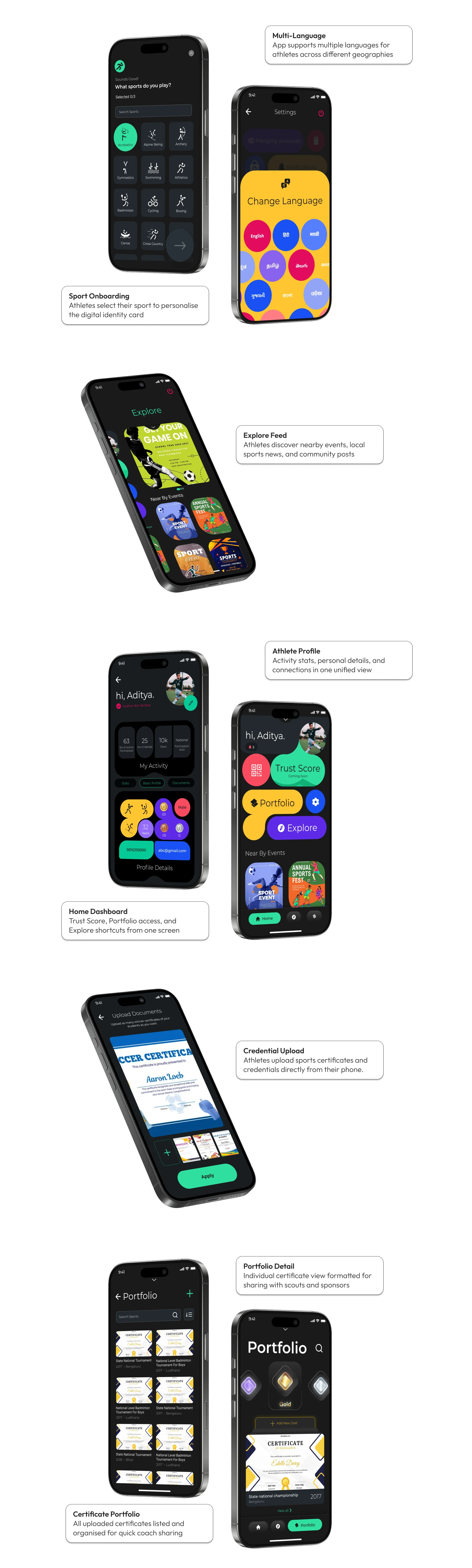
- AppMatic Tech continued and completed the Sportskeyz iOS application in Swift, implementing digital sports card creation and athlete profile management, sports credentials and achievement entry, shareable digital card output in a portable format, third-party API consumption for data enrichment and profile features, UI/UX improvements to the card creation and sharing flows, and end-to-end performance optimisation for smooth card rendering and data loading.
- Native Android App (Kotlin)
- AppMatic Tech continued and completed the feature-identical Android implementation in Kotlin, ensuring digital card creation, athlete profile management, and sharing worked consistently across both platforms with Android-appropriate UI patterns throughout.
- UI/UX Design Improvements
- AppMatic Tech contributed UI/UX design refinements across both platforms during the engagement, improving the digital card creation flow, the card sharing interface, and the athlete profile screens to reduce friction and make the Sportskeyz card immediately usable and shareable by athletes at any level.
- API Consumption and Performance Optimisation
- AppMatic Tech integrated third-party APIs into the Sportskeyz data layer and optimised app performance across iOS and Android, reducing load times, improving API response handling, and optimising digital card rendering for fast, reliable sharing in real-world usage conditions.
Sportskeyz: Delivery Metrics
- Engagement Duration
- 8 months
- Engagement Type
- Mid-project takeover, codebase stabilisation, and completion
- Trial Users at Launch
- 20,000
- Platforms Delivered
- iOS (Swift) and Android (Kotlin)
- Core Feature
- Digital sports identity card: shareable athlete profile with credentials and achievements
- Outcome
- Production-ready MVP launched successfully
Interface Design
AppMatic Tech refined the UI/UX design across the Sportskeyz iOS and Android apps during the eight-month engagement. The digital sports card was the primary design object: the creation flow was redesigned to make credential entry fast and intuitive, and the card output was designed to be visually compelling enough that athletes would want to share it. The sharing interface was simplified to reduce the number of steps between creating a card and sending it to a coach, scout, or sponsor.
"AppMatic Tech took over where another team left off and got us to launch. The card creation flow they refined was exactly what our athletes needed: fast, clean, and something they actually wanted to share. Twenty thousand trial users in from day one proved the product worked."

Sportskeyz Project Outcomes
| Metric | Value |
|---|---|
| Engagement Duration | 8 months |
| Engagement Type | Mid-project takeover, stabilisation, and completion |
| Trial Users at Launch | 20,000 |
| Platforms | Native iOS (Swift) and Android (Kotlin) |
| Core Feature | Portable digital sports identity card with credentials and shareable profile |
| Outcome | Production-ready MVP launched successfully |
Sportskeyz Tech Stack
- Swift
- Native iOS application development
- Kotlin
- Native Android application development
- Firebase
- FCM push notifications and APNs authentication
- Figma
- UI/UX design, prototyping, and developer handoff
- Postman
- API validation and backend workflow testing
- Google Analytics
- Product usage and engagement measurement
- Latency Testing
- API response time and call quality benchmarking
- Real-Device Testing
- On-device QA across iOS and Android hardware
- Socket.io
- Real-time event handling for live card sharing
- Jenkins
- Build automation and deployment pipeline


Security Architecture on Sportskeyz
- Athlete Profile Data Protection
AppMatic Tech implemented authenticated access controls on all athlete profile data, ensuring digital sports card content, including credentials, achievements, and contact details, was only accessible and editable by the authenticated card owner, with no cross-profile data exposure paths in the app or API layer.
- Token-Based Session Management
User authentication used token-based sessions with server-side expiry, ensuring athlete profile management and card sharing capabilities were scoped to verified, logged-in sessions only.
- Third-Party API Credential Protection
All third-party API credentials used in the Sportskeyz data layer were stored server-side with no client-side key exposure from the iOS or Android apps. All API calls were proxied through the backend layer.
- Shareable Card Link Security
AppMatic Tech implemented access scoping on shareable digital card links, ensuring shared card URLs could be configured to limit visibility without exposing the athlete's full profile data to anonymous or unintended access.
- Input Validation on Profile Content
AppMatic Tech implemented server-side input validation on all athlete profile and achievement content, with content length controls and sanitisation before storage to prevent injection through the card creation and editing flows.
 Athlete Profile Data Protection
 Token-Based Session Management
 Third-Party API Credential Protection
 Shareable Card Link Security
 Input Validation on Profile Content
How AppMatic Tech Delivered Sportskeyz Over Eight Months
- Codebase Assessment and Stabilisation
AppMatic Tech audited the inherited iOS and Android codebases from the previous vendor, documented the existing architecture, identified technical debt and incomplete feature implementations, and produced a stabilisation and completion roadmap prioritised by user-facing impact.
Weeks 1 to 3
- UI/UX Audit and Design Improvements
AppMatic Tech audited the existing digital card creation, profile, and sharing flows across both platforms, identified friction points in the card creation and sharing experience, and designed improvements that made the card immediately usable and shareable by athletes at any level.
Weeks 2 to 5 - Feature Completion and API Integration
AppMatic Tech completed outstanding feature development across iOS and Android, including digital card creation, credential management, sharing flows, and achievement display, and integrated third-party APIs into the Sportskeyz data layer, testing each integration against the product's performance requirements.
Weeks 4 to 22 - Performance Optimisation
AppMatic Tech conducted a performance audit of both iOS and Android apps, optimising API response handling, card rendering performance, and UI thread management to ensure smooth, fast card creation and sharing under real-world usage conditions.
Weeks 20 to 28 - Testing, Launch, and Handoff
AppMatic Tech ran end-to-end QA across both platforms, submitted to the App Store and Google Play, supported the launch to 20,000 trial users, and delivered complete technical documentation covering the API integration, data models, and build and deployment process for the Sportskeyz team.
Weeks 28 to 32
Services Behind This Build
Sportskeyz combined mobile, backend, design, and admin tooling into one digital athlete identity platform. Explore the AppMatic Tech services that map directly to this product build. See the startup software development hub for similar builds.




Explore More Craft
Explore More
Natta
Qbounce
Build or Rescue Your Sports Tech App with AppMatic Tech
All projects begin with a no-cost Discovery and Technical Scoping session. Contact the team at contact@appmatictech.com.
Start the Conversation