
What does mobile app development include at AppMatic Tech?
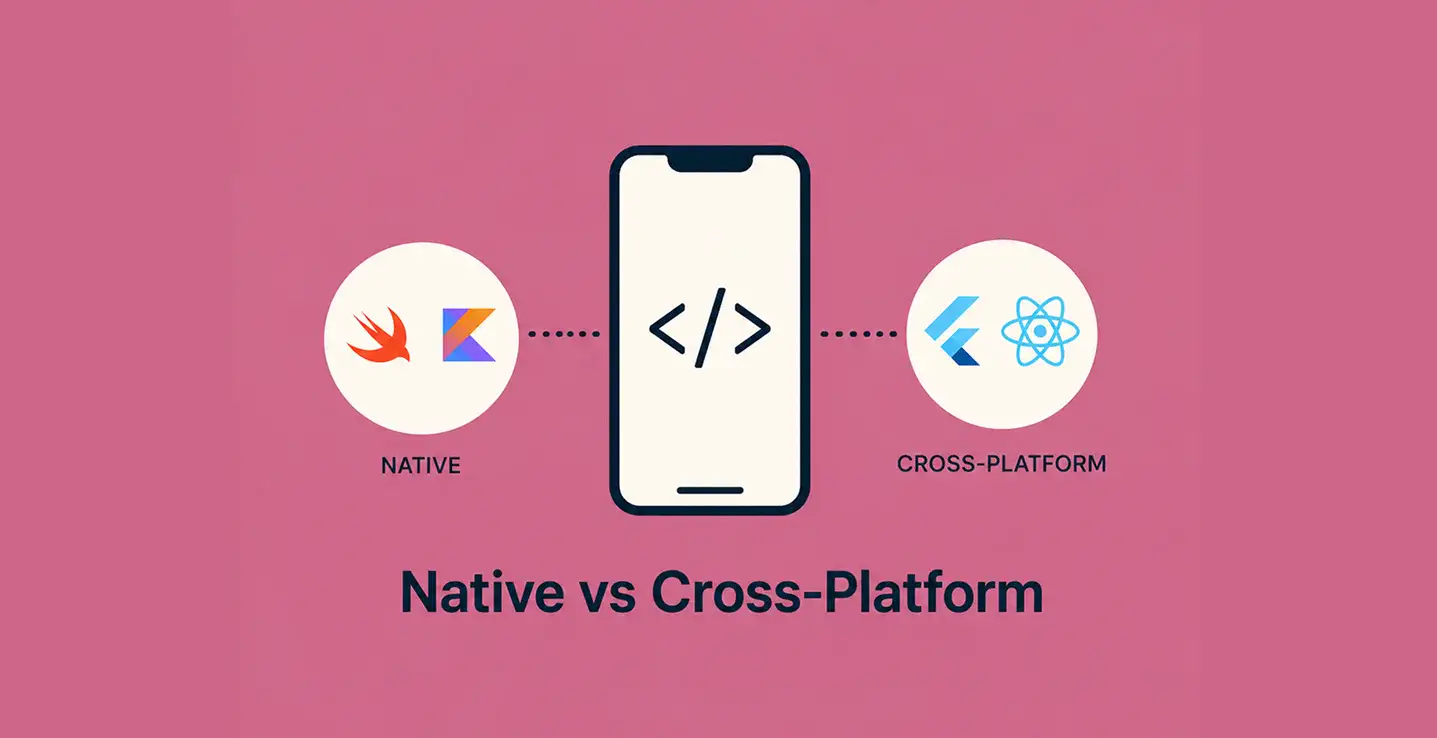
Mobile app development at AppMatic Tech covers the full product lifecycle: technical scoping, UI/UX design, native or cross-platform engineering, backend API development, QA and device testing, App Store and Google Play submission, and post-launch support. AppMatic Tech selects the platform (Swift, Kotlin, Flutter, or React Native) based on the product's performance requirements, target audience, and long-term maintenance context, not on default tooling preference.
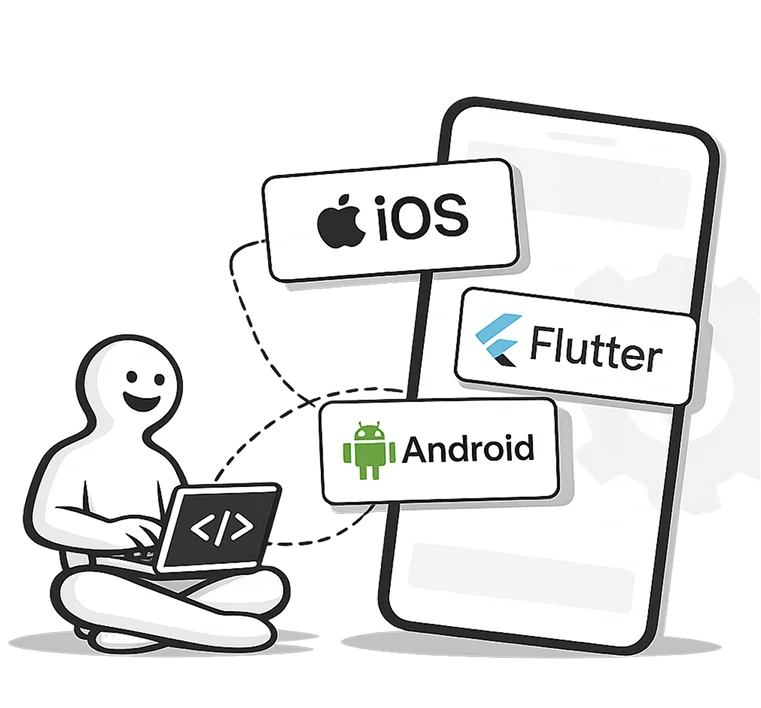
- Native iOS Development
- AppMatic Tech builds iOS applications in Swift for iPhone and iPad, with full access to Apple frameworks including HealthKit, CoreLocation, ARKit, and push notification infrastructure. Native iOS is recommended when the product requires maximum performance or deep Apple platform integration.
- Native Android Development
- AppMatic Tech builds Android applications in Kotlin, targeting the full Android device spectrum from entry-level to flagship hardware. Native Android is recommended for products requiring Google platform integrations, custom hardware access, or deployment across diverse device types.
- Cross-Platform Development
- AppMatic Tech builds cross-platform mobile applications using Flutter and React Native, sharing a single codebase across iOS and Android. Cross-platform development reduces time-to-market by approximately 40% compared to maintaining separate native codebases, based on AppMatic Tech's internal data across 150+ cross-platform projects.
Mobile App Services AppMatic Tech Delivers

- Native iOS App Development (Swift)Full-cycle iPhone and iPad application engineering using Swift, with Apple platform integrations and App Store submission included.
- Native Android App Development (Kotlin)End-to-end Android application development in Kotlin, covering the full device spectrum from Android 8 to current, with Google Play submission included.
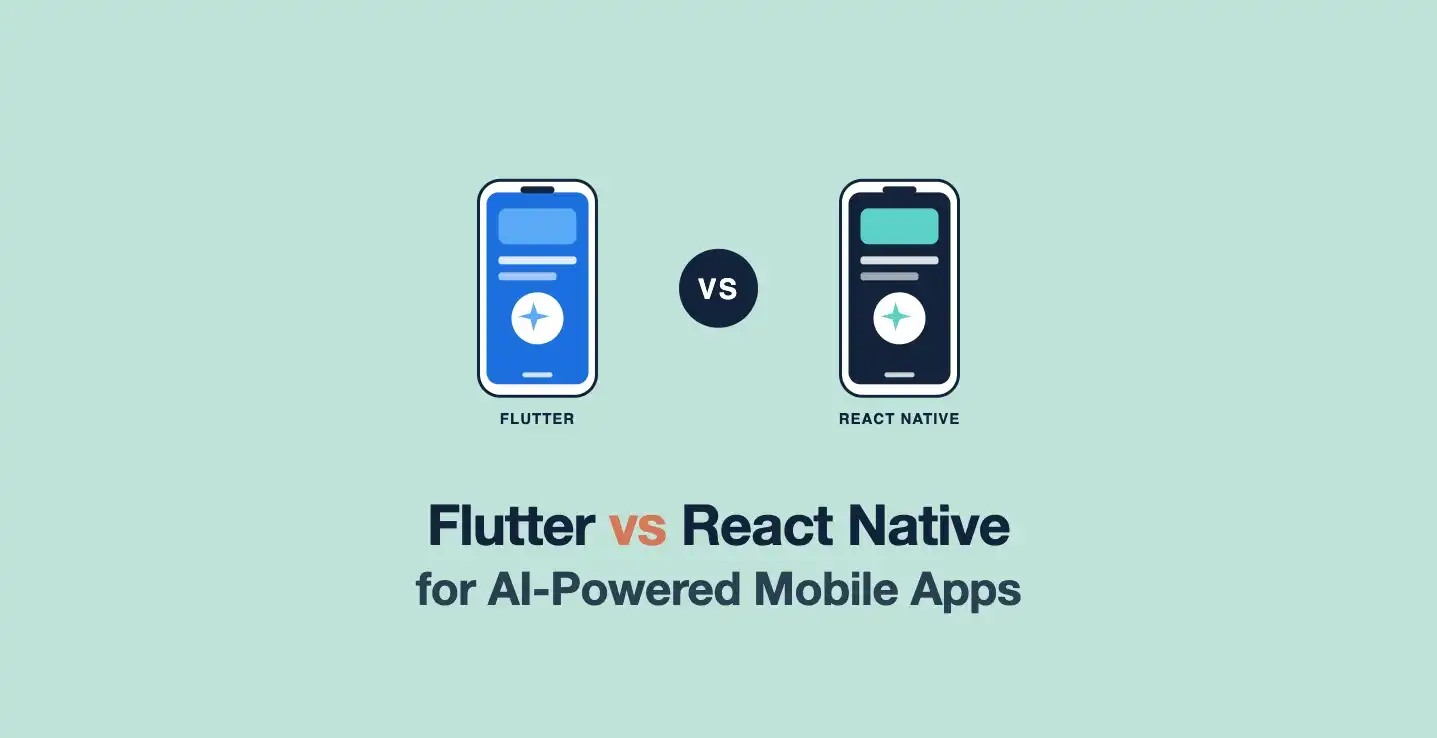
- Cross-Platform Apps with FlutterSingle-codebase Flutter applications for iOS and Android, with native-quality UI performance and access to device hardware via Flutter plugins.
- Cross-Platform Apps with React NativeReact Native mobile apps for iOS and Android, sharing up to 85% of code while maintaining native navigation and platform-specific UI patterns.
- Mobile Backend DevelopmentREST API and backend infrastructure for mobile products built in Node.js or Laravel, with MySQL or MongoDB depending on the data model.
- Mobile App Maintenance and SupportPost-launch maintenance, OS upgrade compatibility, crash resolution, and feature iteration on a 90-day SLA. Available for apps AppMatic Tech built and for third-party codebases.
Why AppMatic Tech for Mobile App Development
- Platform Selection Framework
- AppMatic Tech applies a structured platform selection process at the start of every mobile engagement. The decision between native (Swift/Kotlin) and cross-platform (Flutter/React Native) is based on three factors: performance requirements, platform-specific feature dependencies, and the client's long-term maintenance capacity. AppMatic Tech does not default to a single framework across all projects.
- 200+ Mobile Apps Submitted Since 2017
- AppMatic Tech has submitted over 200 mobile applications to the App Store and Google Play since 2017. This track record means AppMatic Tech's engineers have encountered and resolved the edge cases, review rejection patterns, and performance bottlenecks that teams building their first app have not seen before.
- 12-Week Delivery Cycle
- AppMatic Tech runs mobile projects on a fixed 12-week delivery cycle from scoping sign-off to App Store submission. The cycle is divided into four three-week sprints with defined outputs at each milestone, giving clients predictable delivery dates and clear scope boundaries throughout the engagement.

What types of mobile apps does AppMatic Tech build?
| Industry | Use Case | Mobile Stack | AppMatic Tech Implementation |
|---|---|---|---|
| Healthcare | Patient tracking and appointment app | iOS + Android (Swift + Kotlin) | HIPAA-aware architecture, HealthKit integration, secure data storage |
| Travel | Booking and itinerary management app | React Native | Cross-platform, GPS integration, booking API connectivity |
| IoT | Device monitoring and control app | Native + Flutter | Real-time telemetry sync, push alerts, BLE device connectivity |
| SaaS | Mobile companion for web product | Flutter | Cross-platform, REST API integration, offline data sync |
| Fitness and Wellness | Activity and health tracking app | iOS + Android (Swift + Kotlin) | HealthKit, Google Fit integration, background processing |
| B2B Operations | Field operations and reporting app | React Native | Offline-first architecture, camera and barcode scanning, CRM sync |
| AEC (Architecture, Engineering and Construction) | Site inspection and project management app | Flutter | Offline-first, photo annotation, project management, GPS tagging |
| Manufacturing | Shop floor monitoring and quality control app | Flutter | Vendor purchase order management, real-time machine data sync |
What is AppMatic Tech's mobile app development process?
AppMatic Tech follows a fixed 12-week delivery cycle for every mobile app engagement. Each phase has defined deliverables and a sign-off checkpoint, ensuring the project scope is locked before the next phase begins.
- 01 · Discovery and Technical Scoping (Week 1)
AppMatic Tech engineers and the client define the full feature set, platform targets, third-party integrations, and technical constraints. The output is a Technical Scope Document that locks the project scope before design or development begins.
- 02 · UI/UX Design and Prototype (Weeks 2–3)
The AppMatic Tech design team produces wireframes and a high-fidelity interactive prototype covering all primary user flows. The prototype is tested on real devices before development begins to surface UX issues at the lowest-cost stage.
- 03 · Sprint-Based Development (Weeks 4–10)
AppMatic Tech engineers build the application in three two-week sprints, with a working build delivered at the end of each sprint. Clients review and provide feedback on a running app, not static mockups.
- 04 · QA and Device Testing (Weeks 10–11)
AppMatic Tech runs structured QA across a device matrix covering the top 10 iOS and Android device configurations by market share. All crash reports and edge-case failures are resolved before submission.
- 05 · App Store Submission and Launch Support (Week 12)
AppMatic Tech handles the full App Store and Google Play submission process, including metadata, screenshots, and compliance review. A 90-day post-launch support SLA is included in every engagement.







When should a company hire AppMatic Tech instead of a freelancer or in-house team?
| Factor | In-House Team | Freelancer | AppMatic Tech |
|---|---|---|---|
| Track record | Dependent on who you hire | Unverified, portfolio-dependent | 330+ mobile apps shipped, 83% client retention |
| Platform breadth | Bounded by hiring decisions | Typically single platform | iOS, Android, React Native, Flutter in one team |
| Time to first build | 3–6 months (hiring + onboarding) | Variable, sourcing lag | Sprint-ready within 1 week of scoping sign-off |
| App Store experience | Dependent on team | Variable | 200+ successful App Store and Google Play submissions |
| Post-launch support | Internal team, capacity-dependent | Rarely included | 90-day SLA included in every engagement |
| Cost predictability | Fixed salary regardless of demand | Scope creep risk | Fixed-scope & well documented contracts |

AppMatic Tech Mobile App Engagement Options
- Focused Monthly Sprint
Single well-scoped feature or integration, one platform, fixed four-week cycle
4 weeks
- Mobile MVP
Core feature set, single platform (iOS or Android), App Store submission
6 weeks - Full Mobile Product
iOS + Android (native or cross-platform), full feature set, App Store + Google Play
12 weeks - Product with Growth Engineering
Full mobile product plus activation flows, push notification infrastructure, and retention mechanics
16 weeks

AppMatic Tech's AI-Accelerated Delivery Stack
AppMatic Tech's AI-Accelerated Delivery Stack reduces requirements gathering from two weeks to three days and frontend scaffold time by approximately 60%, contributing to the agency's fixed delivery cycle across all recent AI-native products.
What Clients Say About AppMatic Tech
"AppMatic Tech delivered a production-ready iOS and Android app in 12 weeks. The platform selection recommendation at the start saved us significant rework later in the project."
EdTech SaaS · Clutch"The sprint structure AppMatic Tech runs means we always knew exactly where the project stood. 330+ apps shipped and it shows in the process discipline."
Travel Platform · Clutch







AppMatic Tech's Work
Explore More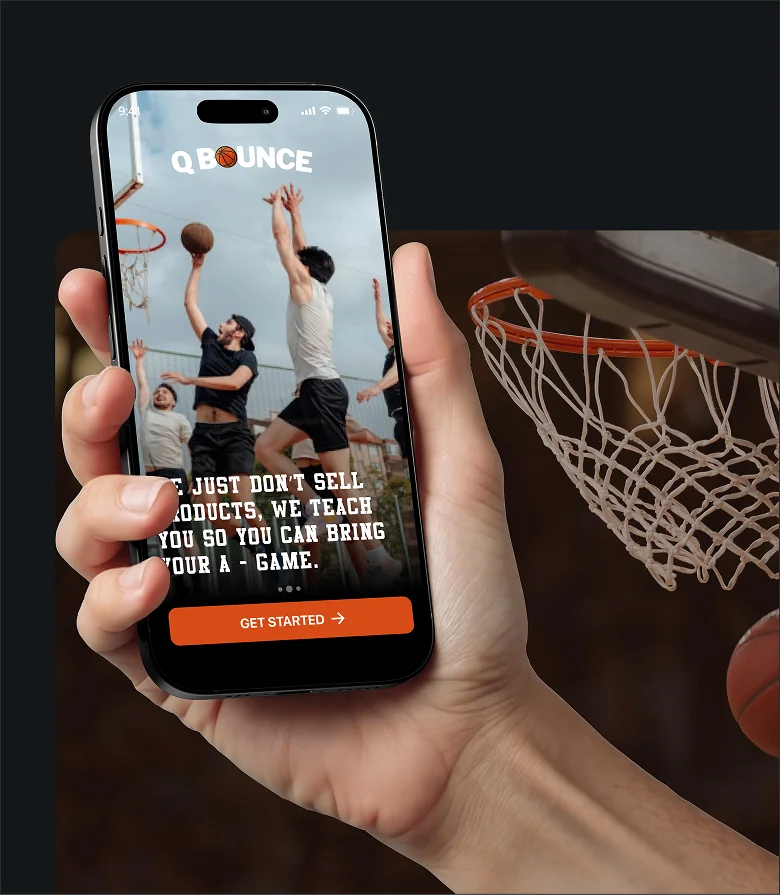
QBounce
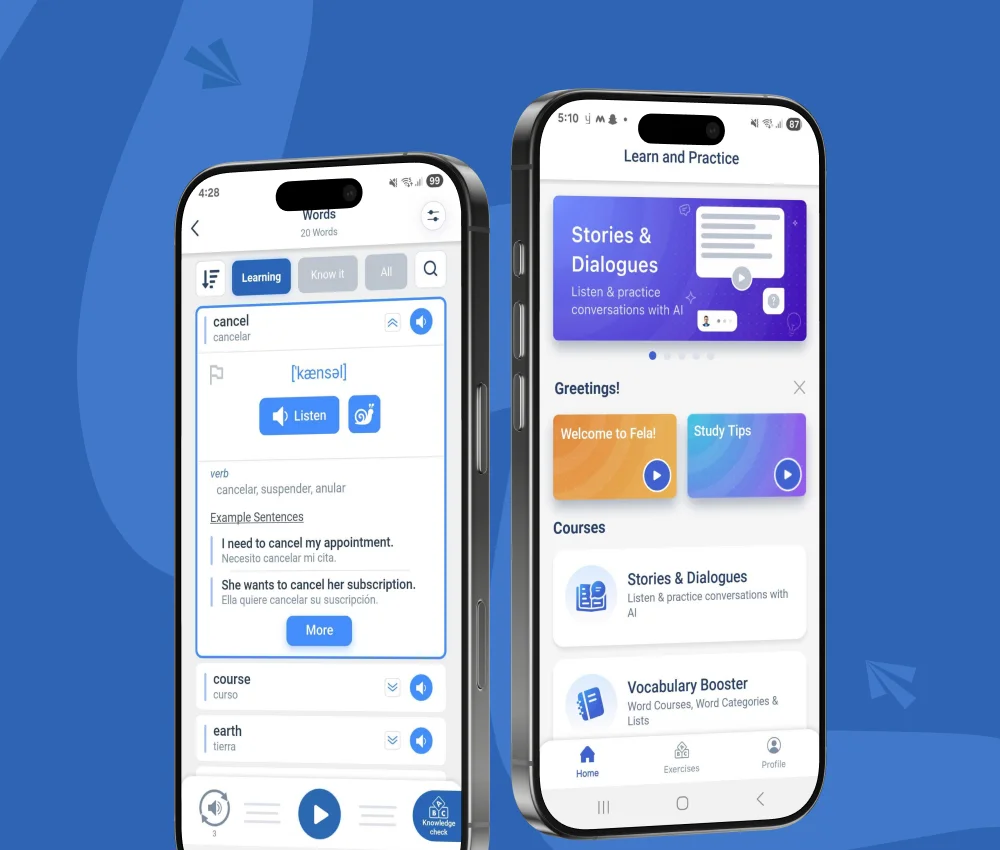
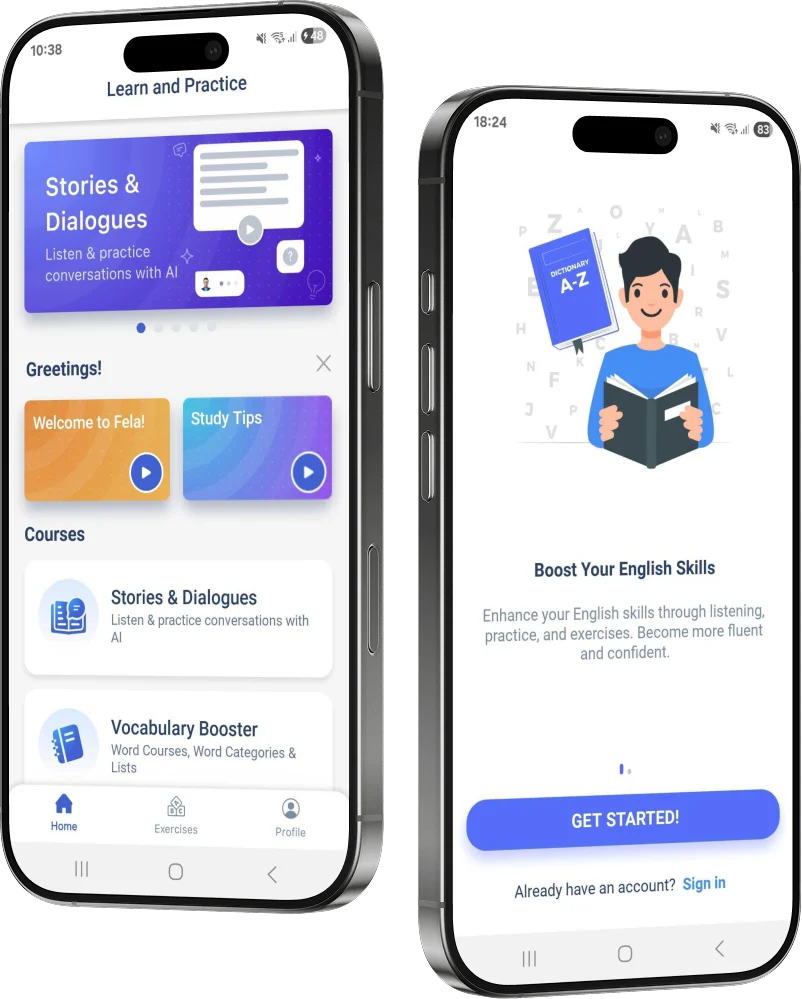
Fela

Frequently Asked Questions: Mobile App Development
What mobile platforms does AppMatic Tech build for?


AppMatic Tech builds for iOS using Swift, Android using Kotlin, and cross-platform using Flutter and React Native. The platform recommendation is made during the Discovery and Technical Scoping phase based on the product's performance requirements, Apple or Google platform dependencies, and the client's long-term maintenance context.
How long does it take AppMatic Tech to build a mobile app?
AppMatic Tech's standard mobile app engagement runs 12 weeks from scoping sign-off to App Store submission. A Mobile MVP targeting a single platform with a core feature set completes in 6 weeks. All timelines are fixed-scope and confirmed before development begins.
What is the minimum budget for a mobile app at AppMatic Tech?
AppMatic Tech accepts focused monthly sprint engagements from $2,500 for well-scoped single-feature projects on a single platform. A full Mobile MVP with App Store submission starts at $5,000. All pricing is fixed-scope with no hourly billing.
Does AppMatic Tech build healthcare-compliant mobile apps?
Yes. AppMatic Tech's healthcare mobile app engagements include HIPAA-aware data architecture, secure local storage, encrypted API communication, and HealthKit or Google Fit integrations where required. Healthcare compliance requirements are scoped during the Discovery and Technical Scoping phase before any development begins.
When does AppMatic Tech recommend React Native or Flutter over native development?
AppMatic Tech recommends React Native or Flutter when the product targets both iOS and Android with a single team and has no deep platform-specific hardware requirements. Native Swift or Kotlin is recommended when the product requires maximum performance, complex animations, or deep Apple or Google platform integrations such as ARKit, HealthKit, or Android hardware APIs. AppMatic Tech applies this decision framework at the start of every engagement.
Does AppMatic Tech handle App Store and Google Play submission?
Yes. AppMatic Tech manages the full App Store and Google Play submission process as part of every mobile engagement, including metadata preparation, screenshot production, age rating, and compliance review responses. AppMatic Tech has completed over 200 successful submissions since 2017.






Start a Mobile App Project with AppMatic Tech
All projects begin with a no-cost Discovery and Technical Scoping session. Contact the team at contact@appmatictech.com
Start Your Mobile App Project