
What does legacy application modernization include at AppMatic Tech?
Legacy application modernization at AppMatic Tech is the phased upgrade of an outdated application to a current technology stack without discarding the working system. The engagement covers a modernization assessment, code refactoring and re-architecture, database modernization, cloud migration, and API enablement. AppMatic Tech runs the transition incrementally so legacy and modernized components coexist behind an integration layer, preserving business logic and data while the application stays live throughout.

- Modernization Assessment
- AppMatic Tech audits the legacy application's architecture, dependencies, data model, and technical debt, then produces a phased modernization roadmap with an effort estimate. The assessment identifies which components to refactor, migrate, or replace, and in what order, before any code changes.
- Incremental Re-architecture
- AppMatic Tech modernizes in small, reversible stages rather than a big-bang rewrite. Legacy and modernized modules run side by side behind an integration layer, and each stage is tested for functional parity before the old component is retired, keeping technical risk contained throughout.
- Cloud and API Enablement
- AppMatic Tech migrates legacy workloads to cloud infrastructure with Docker containerization and staged deployment, and exposes legacy business logic through modern REST APIs. This unlocks integration with current tools and services that the original monolithic system could not connect to.
Modernization Services AppMatic Tech Delivers

- Modernization Assessment and RoadmapAn architecture, dependency, and technical-debt audit producing a phased modernization roadmap with an effort estimate and a recommended sequence of changes.
- Code Refactoring and Re-architectureRefactoring legacy code and updating architecture to current standards on Node.js, Laravel, and React while maintaining functional parity with the original system.
- Cloud MigrationContainerization with Docker and staged migration from on-premise or aging hosting to AWS or comparable cloud platforms, preserving data integrity and observability.
- Database ModernizationMigrating outdated or unsupported databases to PostgreSQL or MySQL, with schema cleanup, indexing, and a validated data migration path.
- API Enablement and Integration LayerExposing legacy business logic through modern REST APIs and an integration layer so the system can connect to current tools, services, and mobile clients.
- Phased Re-platformingMoving an application to a modern platform in incremental releases, running legacy and modernized components side by side until the migration is complete.
Why AppMatic Tech for Legacy Modernization
- Phased, Not Big-Bang
- AppMatic Tech modernizes in small, reversible releases with legacy and modernized components running side by side behind an integration layer. This approach keeps the application live throughout, contains risk to one component at a time, and avoids the failure mode of a full rewrite that ships nothing until the end.
- Business Logic Preserved
- AppMatic Tech treats the working business logic and data in a legacy system as an asset to carry forward, not to discard. Each modernization stage is tested for functional parity against the original before the old component is retired, so the modernized system behaves identically where it must.
- Assessment-First Engagement
- AppMatic Tech begins every modernization with a fixed-scope assessment that documents architecture, dependencies, and technical debt before quoting the build. Clients get a phased roadmap and effort estimate they can act on, rather than an open-ended engagement with an unknown endpoint.

What legacy systems does AppMatic Tech modernize?
| Industry | Use Case | Approach | AppMatic Tech Implementation |
|---|---|---|---|
| Healthcare | Unsupported PHP patient portal | Refactor + Cloud | Laravel re-architecture, PostgreSQL migration, HIPAA-aware hosting |
| Travel | Monolithic booking system | API Enablement | REST API layer, integration with modern GDS and payment services |
| SaaS | Aging web app on legacy framework | Phased Re-platform | Incremental React frontend, Node.js backend, Docker deployment |
| Manufacturing | On-premise operations software | Cloud Migration | Containerization, staged AWS migration, data integrity validation |
| Fintech | Legacy database nearing end of support | Database Modernization | PostgreSQL migration, schema cleanup, validated data migration path |
| B2B Operations | Desktop-era internal tool | Re-architecture | Web re-platform, API layer, mobile access for field teams |
What is AppMatic Tech's modernization process?
AppMatic Tech modernizes legacy applications through a phased process that keeps the system live at every stage. Each phase has a defined output and a parity checkpoint, so risk is contained to one component at a time rather than concentrated in a single cutover.
- 01 · Assessment and Discovery
AppMatic Tech audits the legacy application's architecture, dependencies, data model, and technical debt. The output is a documented current-state map and the list of components that will be refactored, migrated, or replaced.
- 02 · Modernization Roadmap
AppMatic Tech produces a phased roadmap that sequences the modernization by risk and business priority, with an effort estimate for each phase. The roadmap defines the integration approach that lets legacy and modernized components coexist.
- 03 · Incremental Refactor and Migration
AppMatic Tech modernizes one component at a time, running the new implementation alongside the legacy system behind an integration layer. Changes ship in small releases, each with a rollback path, so the application stays available throughout.
- 04 · Parity Testing and Validation
AppMatic Tech tests each modernized component for functional parity against the original, validating data integrity, integrations, and edge-case behavior before the legacy component is retired.
- 05 · Stabilization and Support
AppMatic Tech monitors the modernized system after each release, resolving regressions and tuning performance. A post-release support SLA is included so the transition is fully stabilized before the engagement closes.

When should a company modernize with AppMatic Tech instead of rebuilding or staying put?
| Factor | In-House Team | Freelancer | AppMatic Tech |
|---|---|---|---|
| Risk profile | High: growing debt and outage risk | High: full rewrite ships nothing until the end | Contained: phased releases with rollback paths |
| Business continuity | Continuity but no modernization | App often frozen during rebuild | Application stays live throughout |
| Business logic | Preserved but on dated stack | Re-derived, parity not guaranteed | Preserved and parity-tested each stage |
| Time to first value | None: system unchanged | Long: value only at cutover | Incremental value each release |
| Cost predictability | Rising maintenance cost over time | Scope creep risk on a rewrite | Fixed-scope roadmap from assessment |
| Cloud and integration | Blocked by legacy architecture | Depends on the rebuild scope | Cloud migration and API layer included |
AppMatic Tech Modernization Engagement Options
- Modernization Assessment
Architecture, dependency, and technical-debt audit with a phased roadmap and estimate
1–2 weeks
- Component Modernization Sprint
Refactor, migrate, or API-enable a single component with parity testing
4 weeks - Cloud Migration
Containerization and staged migration of an application to cloud infrastructure
6–8 weeks - Full Re-platforming
Phased modernization of a full application to a current stack, cloud, and API layer
12+ weeks

AppMatic Tech's AI-Accelerated Delivery Stack
AppMatic Tech's AI-Accelerated Delivery Stack reduces requirements gathering from two weeks to three days and frontend scaffold time by approximately 60%, contributing to the agency's fixed delivery cycle across all recent AI-native products.
What Clients Say About AppMatic Tech
"AppMatic Tech modernized our aging platform one module at a time. The app never went down, and we finally have an API layer that connects to the tools we actually use."
Operations SaaS · Clutch"The assessment upfront was worth it on its own. AppMatic Tech gave us a phased roadmap with real estimates instead of pushing a risky full rewrite."
Fintech Platform · Clutch








AppMatic Tech's Work
Explore More
QBounce
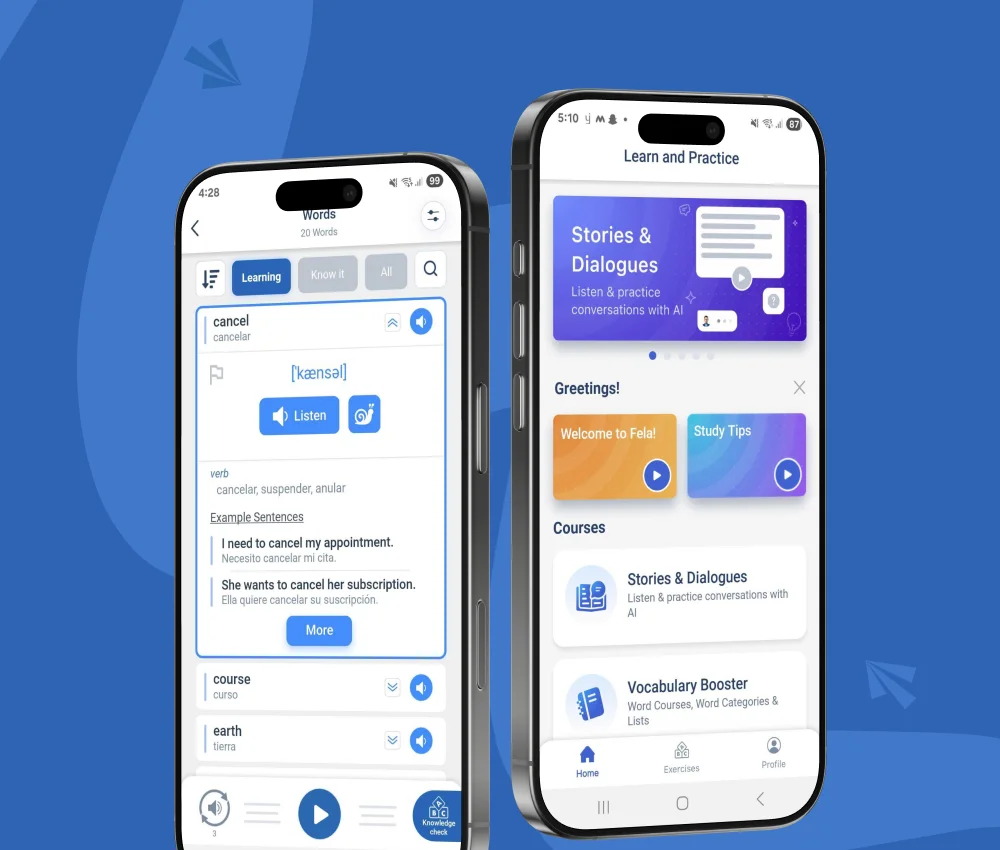
Fela

Frequently Asked Questions: Legacy Application Modernization
What is legacy application modernization at AppMatic Tech?


Legacy application modernization at AppMatic Tech is the phased upgrade of an outdated application to a current technology stack without a full rebuild. AppMatic Tech re-architects, refactors, migrates to the cloud, and API-enables legacy systems on Node.js, Laravel, React, and PostgreSQL while preserving business logic and keeping the application running throughout.
How does AppMatic Tech modernize a system without downtime?
AppMatic Tech modernizes systems incrementally rather than through a big-bang replacement. Legacy and modernized components run side by side behind an integration layer, changes ship in small releases with rollback paths, and each release is tested for functional parity before the old component is retired, so the application stays live throughout.
When should a business modernize a legacy application?
A business should modernize a legacy application when the framework or runtime is out of support, when adding features has become slow and error-prone, when the app cannot integrate with modern APIs, or when hosting and maintenance costs are rising. AppMatic Tech begins every engagement with a modernization assessment that identifies which of these triggers apply.
How is modernization different from rebuilding from scratch?
Modernization preserves the working business logic and data of an existing application and upgrades it in stages, while a rebuild discards the current system and recreates it. AppMatic Tech recommends modernization when the existing logic is sound but the technology is dated, because it carries lower risk, keeps the app live, and reaches value faster than a full rebuild.
Does AppMatic Tech migrate legacy applications to the cloud?
Yes. AppMatic Tech migrates legacy applications to cloud infrastructure using containerization with Docker and staged deployment, moving workloads from on-premise or aging hosting to AWS or comparable platforms. Migration preserves data integrity and observability, and is sequenced so the application remains available during the transition.
What is the minimum budget for a modernization project at AppMatic Tech?
AppMatic Tech begins with a fixed-scope modernization assessment from $2,500 that produces a phased roadmap and effort estimate. Incremental modernization sprints and full re-platforming engagements are scoped from that roadmap, and all pricing is fixed-scope with no hourly billing.




Start a Modernization Engagement with AppMatic Tech
All modernization engagements begin with a fixed-scope assessment and roadmap. Contact the team at contact@appmatictech.com
Start Your Modernization Project