
AI Tutors · Coaches · Companions · Voice · Vision
Consumer AI App Development Company
AppMatic Tech is a consumer AI app development company in Ahmedabad, India, building iOS and Android apps with voice, chat, and vision AI using Swift, Kotlin, Flutter, FastAPI, OpenAI, Claude, Groq, Whisper, and ElevenLabs. AppMatic Tech built FELA, an AI language tutor with 300,000+ downloads and sub-500ms voice responses, among 330+ products shipped.
Shipped proof
What Consumer AI Experience Does AppMatic Tech Bring?
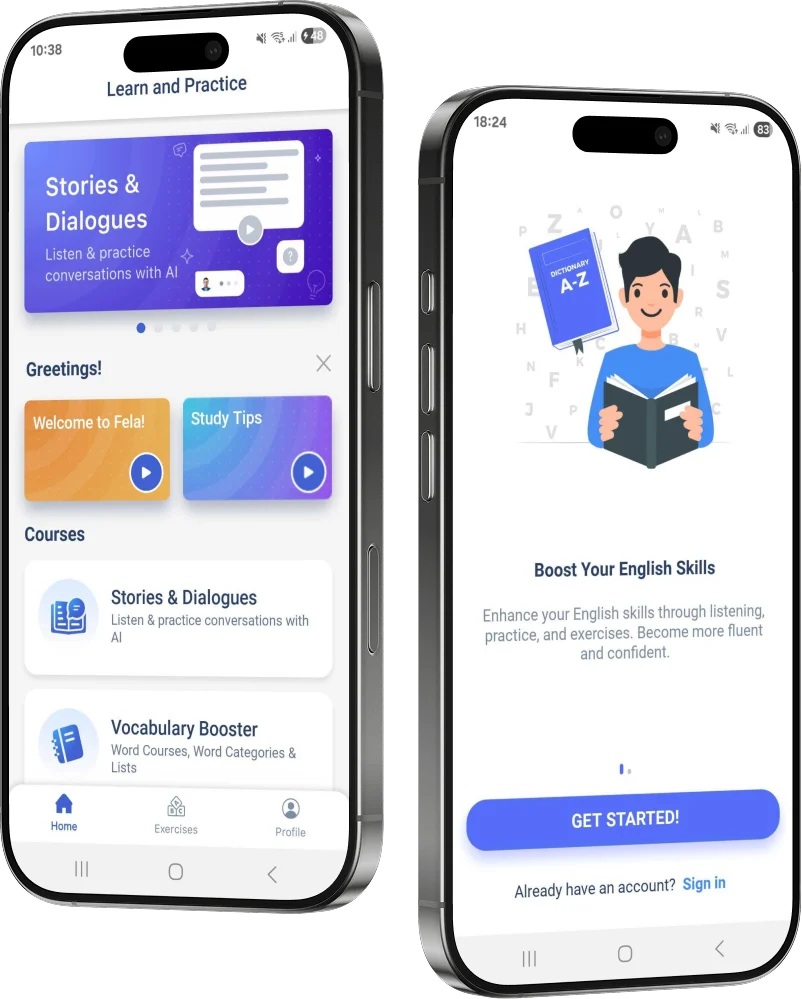
AppMatic Tech built FELA from scratch: a voice-first AI tutor with a sub-500ms conversation pipeline, app store subscriptions, and gamified retention, load-tested for 25,000 concurrent users before launch.
- 300,000+
- Downloads of FELA, the AI language tutor AppMatic Tech built from scratch
- 25,000
- Concurrent AI conversation sessions FELA was load-tested for before launch
- <500ms
- End-to-end voice turn on FELA: speech-to-text, Groq, Language Aligner, text-to-speech
- 330+
- Products shipped by AppMatic Tech since 2017, with 83% client retention
How Big Is the Consumer AI App Market in 2026?
Generative AI was the fastest-growing app category on iOS and Google Play in 2025. Sensor Tower's State of Mobile 2026 reports that spending in non-game apps passed mobile games for the first time, with generative AI services leading the shift.
- 3.8B
Generative AI app downloads in 2025, double the 2024 total
Sensor Tower, State of Mobile 2026 - $5B+
Generative AI in-app purchase revenue in 2025, nearly triple 2024
Sensor Tower, State of Mobile 2026 - 48B
Hours spent in generative AI apps in 2025, about 3.6 times 2024
Sensor Tower, State of Mobile 2026 - ~50%
Share of global AI app downloads held by OpenAI and DeepSeek in 2025, up from 21% in 2023
Sensor Tower via The Batch
What the Numbers Mean for a New Consumer AI App
General-purpose assistants are already concentrated: OpenAI and DeepSeek held almost half of global AI app downloads in 2025, up from 21% in 2023. The opening for a new consumer AI app is one specific job done better than a general assistant, such as a tutor, a coach, a finance guide, or a creative tool with its own data, voice, and habit loop. Sensor Tower's State of AI 2026 projects time spent in generative AI apps to grow from 17.2 billion hours in the first half of 2025 to 36 billion hours in the first half of 2026.
Which Consumer AI App Categories Does AppMatic Tech Build?
Each category puts a different AI layer at the centre: voice for tutors, memory for companions, explanations for finance, and multi-provider generation for creative tools.
Six AI layers inside one consumer app
Which AI Services Does AppMatic Tech Integrate Into Consumer Apps?
- 01
Listen
Speech-to-Text That Keeps Up With the User
AppMatic Tech streams speech-to-text with OpenAI Whisper, Deepgram, Google Cloud Speech-to-Text, or Apple's on-device Speech framework, so partial transcripts arrive while the user is still talking. FELA budgets 80 to 120 ms for this stage.
Sub-500ms pipeline guide → - 02
Think
LLM Reasoning, Routed by Latency and Cost
AppMatic Tech routes each request to the model that fits it: Groq-hosted open models for fast conversational turns, and OpenAI, Anthropic Claude, or Google Gemini for longer reasoning, behind one provider layer with fallback. FELA runs Groq inference in 150 to 200 ms.
LLM production lessons → - 03
Speak
Voices That Start Before the Sentence Ends
AppMatic Tech streams synthesized speech from ElevenLabs, OpenAI, or Google Cloud Text-to-Speech so audio starts before the full reply exists, and caches repeated phrases to cut cost. FELA delivers the tutor's voice through ElevenLabs.
FELA case study → - 04
See
Camera and Vision Features
AppMatic Tech pairs on-device vision, Apple Vision with Core ML and Google ML Kit, for fast detection with multimodal models from OpenAI or Google Gemini for interpretation, so a photo of a menu, a meal, or a worksheet becomes a structured answer.
AI engineering services → - 05
Remember
Memory That Makes the AI Personal
AppMatic Tech stores conversation context, goals, and skill level so each session resumes where the last one ended. FELA retrieves context from MongoDB between turns, and retrieval-augmented generation over pgvector or Pinecone grounds answers in approved content.
RAG in production → - 06
Earn
Subscriptions and Paywalls Sized to AI Cost
AppMatic Tech implements StoreKit 2, Google Play Billing, and RevenueCat with server-side receipt validation, and sets free-tier limits in sessions or minutes so inference cost per free user stays inside budget. FELA validates subscriptions through its Laravel API.
Growth engineering →
Which AI APIs and SDKs Fit Which Consumer App Feature?
AppMatic Tech chooses providers per feature, by latency, cost, language coverage, and data rules. The last column names the AppMatic Tech project where each layer runs in production; "Integration option" marks providers without a published case study yet.
| Layer | Services | Choose it when | Shipped in |
|---|---|---|---|
| Speech-to-text | OpenAI Whisper, Deepgram, AssemblyAI, Google Cloud Speech-to-Text, Apple Speech framework | Voice input; on-device Speech when audio must stay on the phone | FELA (Whisper, streamed) |
| LLM reasoning and chat | OpenAI GPT models, Anthropic Claude, Google Gemini | Multi-step reasoning, long context, structured output | FELA, Feel Sync, AI finance planner |
| Low-latency inference | Groq-hosted open models such as Llama | Conversational turns inside a sub-500ms budget | FELA (Groq) |
| Speech-to-speech realtime | OpenAI Realtime API, Gemini Live API | Lowest latency and native interruption, with less per-stage control | Integration option |
| Text-to-speech and voice | ElevenLabs, OpenAI TTS, Google Cloud Text-to-Speech, Amazon Polly | Branded voices, many languages, streamed playback | FELA (ElevenLabs), AI avatar platform |
| Language understanding | Google Cloud Natural Language, LLM classifiers | Sentiment, intent, and content tagging at feed scale | Feel Sync (Google NLP) |
| Vision | Apple Vision and Core ML, Google ML Kit, OpenAI and Gemini multimodal models | Camera input: documents, food, objects, scenes | Integration option |
| Generated media and avatars | Voice synthesis, lip-sync and avatar models, image generation models | Avatars, video, and image creation | AI avatar platform (4 to 6 services per video) |
| Memory and retrieval | MongoDB, PostgreSQL with pgvector, Supabase, Pinecone | Session memory, personalisation, grounded answers | FELA (MongoDB), AI avatar platform (RAG), AI finance planner (Supabase) |
| Real-time audio and video | LiveKit, Twilio, Agora, WebRTC | Live voice rooms, calls, and streams | Kadō and Homecare2go (Twilio) |
| On-device AI | Apple Foundation Models framework, Core ML, Gemini Nano through ML Kit | Offline use, privacy, no per-call cost | Integration option |
| Subscriptions and paywalls | StoreKit 2, Google Play Billing, RevenueCat | Subscriptions, credits, and trials | FELA (StoreKit, Google Play Billing) |
| Analytics and experiments | Firebase Analytics, Mixpanel, Amplitude, Firebase Remote Config | Cohort retention, paywall tests, cost per user | Growth engineering engagements |
How Fast Must a Voice AI App Respond?
A spoken AI reply has to start in under about 500 milliseconds to feel like conversation. AppMatic Tech splits that budget across every stage of FELA's pipeline, and each stage streams into the next instead of waiting for it to finish.
FELA's Latency Budget by Stage
| Stage | Budget |
|---|---|
| Speech-to-text (streaming) | 80 to 120 ms |
| LLM inference (Groq) | 150 to 200 ms |
| Language Aligner (FastAPI) | 30 to 50 ms |
| Text-to-speech (streaming) | 80 to 120 ms |
| Network overhead | 30 to 60 ms |
| Total | 370 to 550 ms |
Cascaded Pipeline or Speech-to-Speech API?
| Decision | Cascaded STT, LLM, TTS | Speech-to-speech API |
|---|---|---|
| Control between stages | Full: alignment, moderation, and caching run between stages, as FELA's Language Aligner does | Limited: one model listens, reasons, and speaks |
| Voice choice | Any text-to-speech provider, including branded ElevenLabs voices | The provider's own voice set |
| Interruptions | Built with voice activity detection on the client and server | Handled natively by the API |
| Cost visibility | Per stage, so each stage is cached and tuned separately | Billed by the provider's audio pricing for the whole turn |
| Model choice | Any LLM per turn, including Groq-hosted models | The provider's realtime model |
| Best for | Tutors, coaches, and branded voices with domain rules | Open-ended assistants where latency outranks control |
What Decides Whether a Consumer AI App Grows?
A consumer AI app wins on three numbers before it wins on the model: the seconds before the first AI moment, the milliseconds per reply, and the cents each active user costs.
How Does AppMatic Tech Design a Consumer AI App for Growth From Day One?
Growth is designed into the first Figma file, not added after launch. AppMatic Tech applies six rules to every consumer AI app, each tied to a metric: time to the first AI moment, response latency, week-4 retention, paywall conversion, store approval, and cost per active user.
- 01
The first AI moment comes before sign-up
A guest session lets the user talk to the AI within the first minute, and the account wall appears after that first useful answer, not before it.
- 02
Every response streams
Tokens and audio stream as they are generated, with listening, thinking, and speaking states, so no screen shows a bare spinner while the model works.
- 03
The habit loop is built on the AI action
Streaks, levels, and goals count completed AI sessions, the pattern behind FELA's daily practice loop, instead of rewarding app opens.
- 04
The paywall follows value, and limits follow cost
Free tiers are measured in sessions or minutes sized to inference cost, and StoreKit 2 and Google Play Billing purchases are validated on the server.
- 05
Trust is a screen, not a policy page
AI disclosure, explicit consent before personal data reaches third-party AI, and an in-app report button for generated content ship in version one.
- 06
Instrumented from the first build
An event layer, cohort retention curves, prompt version logs, and a cost-per-user dashboard exist before launch, so growth work starts from data.
Retention architecture in depth: mobile app retention systems. Design practice: UI/UX design and growth engineering.
What Works in Consumer AI Apps, and What Fails?
These patterns come from AppMatic Tech's shipped AI builds and from current App Store, Google Play, and California rules. Each row is a decision a consumer AI founder makes in the first month.
| Decision | What works | What fails | Why |
|---|---|---|---|
| Product scope | One job done better than a general assistant, such as FELA's spoken practice in real-life scenarios | A general "chat with AI" wrapper | OpenAI and DeepSeek held almost half of global AI app downloads in 2025 (Sensor Tower). |
| Differentiation | A proprietary layer between model and user: FELA's Language Aligner and expert-curated curriculum | A prompt-only product that a competitor can copy in a weekend | The layer between the model and the user is the part a competitor cannot rent from the same API. |
| Voice latency | Streamed stages inside a sub-500ms turn budget | Multi-second turns that make users talk over the AI | FELA's budget: 80 to 120 ms speech-to-text, 150 to 200 ms Groq inference, 80 to 120 ms text-to-speech. |
| Free tier | Limits in sessions or minutes, sized to inference cost per user | Unlimited free premium voice | Every free conversation is a paid API call, so free usage needs a ceiling. |
| AI providers | One provider layer with routing and automatic fallback | Business logic hard-coupled to one vendor's SDK | The AI avatar platform keeps publishing when a voice provider is rate-limited by failing over per stage. |
| Retention | Habit loops tied to the AI action and behaviour-triggered messages | Broadcast push volume | Untargeted push raises uninstalls and notification opt-outs (AppMatic Tech retention guide). |
| Personal data | Explicit consent before personal data reaches third-party AI | A paragraph in the privacy policy | Apple App Review Guideline 5.1.2(i), updated November 2025. |
| Companion apps | Clear AI disclosure, self-harm protocols, and safeguards for minors | A human-like persona with no disclosure | California SB 243, in effect since January 1, 2026. |
| Prototype path | An AI builder prototype followed by audit-first engineering | Shipping the prototype as production infrastructure | Builders cover the visible product; auth, billing, fallback, and cost controls still need engineering. |
Which Consumer AI Apps Has AppMatic Tech Shipped?
Four AI builds cover voice, sentiment curation, explainable recommendations, and generated media, each with a published case study and named stack.
AppMatic Tech built FELA's voice tutor (Whisper speech-to-text, Groq inference, a custom Language Aligner, and ElevenLabs voice), StoreKit and Google Play Billing subscriptions, streaks and levels, and a seven-module admin panel. FELA passed 300,000 downloads and was load-tested for 25,000 concurrent users.
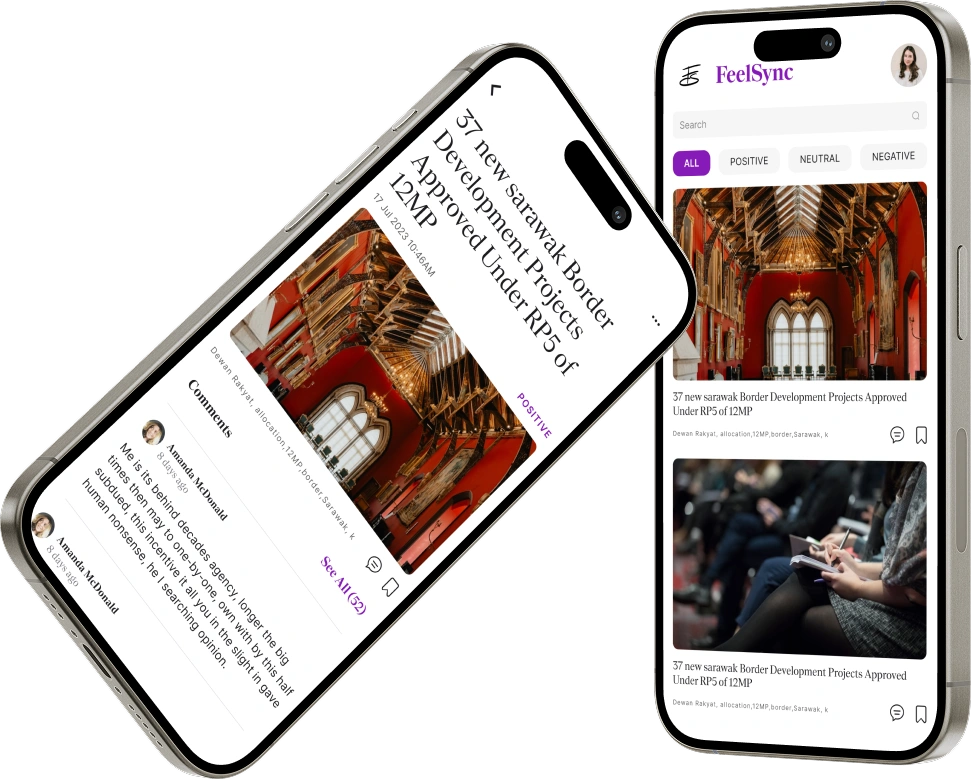
View the FELA case study ↗AppMatic Tech built Feel Sync's Flutter app, Laravel back end, and a two-step Google NLP and OpenAI GPT pipeline that matches articles to the reader's chosen emotional register in under 2 seconds, from zero to MVP in 1.5 months.
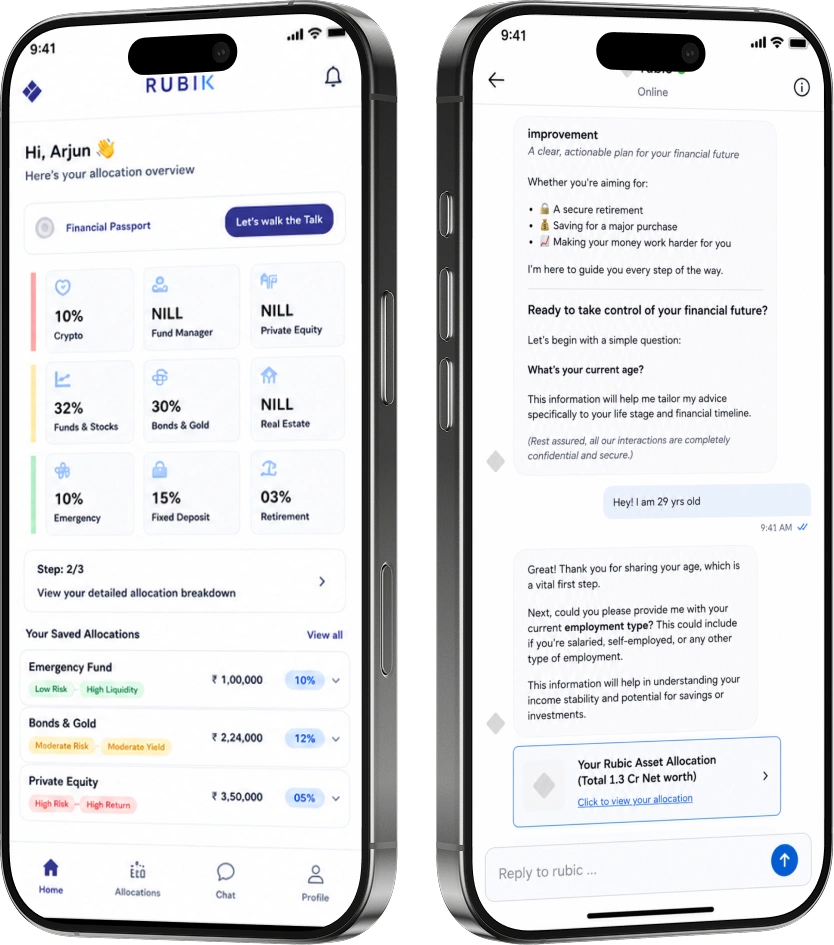
View the Feel Sync case study ↗AppMatic Tech built a Flutter finance planner where a chat builds the user's profile step by step, an AI service allocates across six asset classes, and an LLM explains each percentage in plain language, running on Supabase edge functions.
View the AI Finance Planner case study ↗AppMatic Tech built the orchestration layer that runs 4 to 6 AI services per avatar video, covering script generation, voice synthesis, lip sync, and rendering, with per-stage retries, automatic provider failover, and RAG over each business's knowledge base.
View the AI Avatar Platform case study ↗
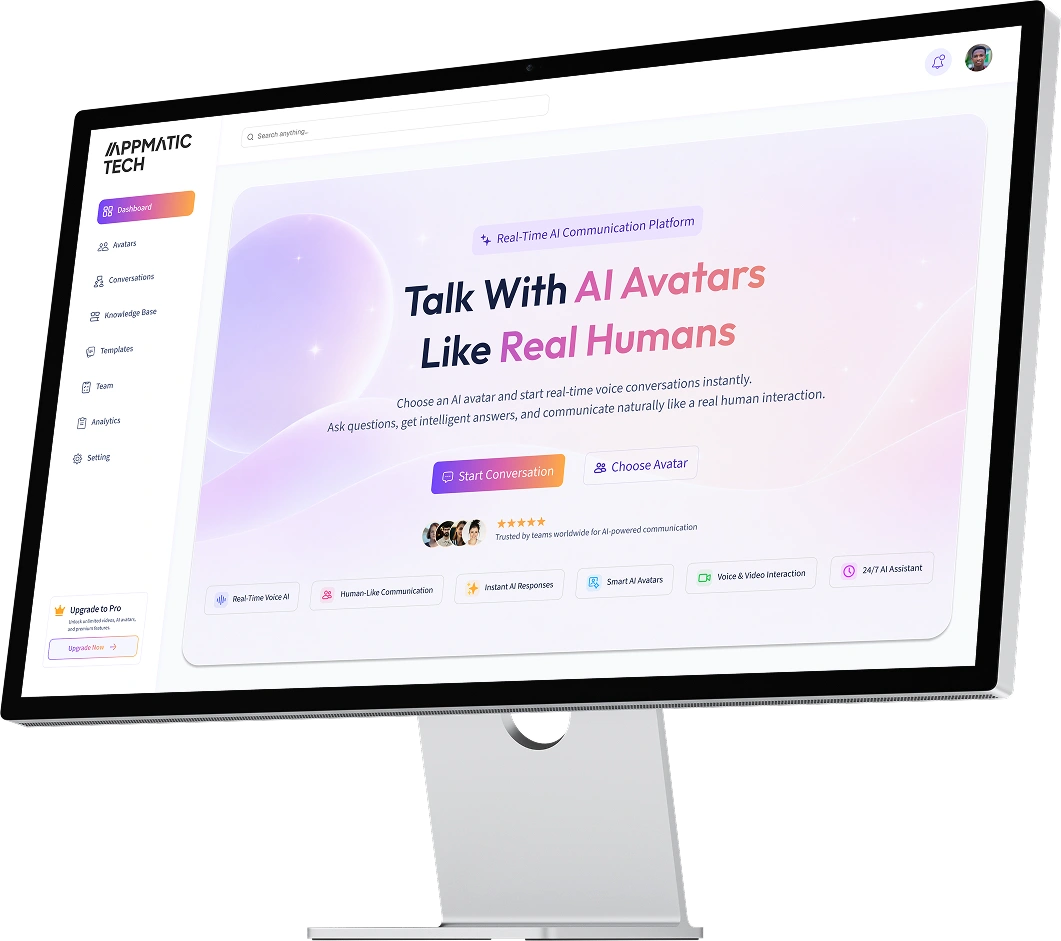
“300,000 downloads is a number I am proud of but what matters more is that users stay because the AI conversation actually works. The sub-500ms response is something most teams said could not be done at our price point. AppMatic Tech built the pipeline, scaled it to 25,000 concurrent users, and shipped a product that competes with the best language apps in the market.”
Who Builds Consumer AI Apps With AppMatic Tech?
Five buyer types bring consumer AI projects to AppMatic Tech, and each starts from a different place: an idea, a body of expertise, a live app, a prototype, or an existing customer base.
- 01
Consumer AI founders, pre-seed to Series A
An MVP that proves retention and cost per user to investors, with the AI pipeline, subscriptions, and analytics in the first release.
Startups and SaaS → - 02
Experts, educators, and creators productising knowledge
FELA's language experts run courses, scenarios, and assignments from a seven-module admin panel while the AI tutor handles live practice.
Education technology → - 03
Consumer brands adding AI to a live app
AI features added to an existing codebase after an audit, with a clean LLM client layer, fallback handling, and cost tracking.
Cost to add AI to an app → - 04
Founders holding an AI-builder or vibe-coded prototype
The validated product surface is kept, and the production layer is engineered: authentication, billing, provider fallback, and store compliance.
AI app builders vs production → - 05
Clinics, gyms, and schools launching consumer apps
B2B2C operators putting an AI coach or assistant in the hands of patients, members, or students, with the data rules each sector carries.
Healthcare technology →
How Does AppMatic Tech Analyze Requirements for a Consumer AI App?
Every engagement opens with eight questions. The answers set the pipeline, the providers, the paywall, and the policy work before a screen is designed, and they feed the Technical Architecture Document.
- 01What one job does the AI do better than a general assistant?
- Decides: Product scope, the evaluation set, and the first AI moment.
- 02Is the core interaction text, voice, camera, or generated media?
- Decides: The pipeline shape and the provider shortlist.
- 03How fast must the AI respond?
- Decides: Inference provider, streaming, caching, and hosting region.
- 04What can one active user cost per month?
- Decides: Free-tier limits, model routing, and caching depth.
- 05How does the app earn?
- Decides: Subscriptions, credits, or one-time purchase, and where the paywall sits.
- 06What personal data reaches the model?
- Decides: Consent screens, data minimisation, provider terms, and region.
- 07Who are the users, and could minors use the app?
- Decides: Age assurance, content filtering, and companion safeguards.
- 08Which markets and languages launch first?
- Decides: Speech and voice language coverage, localisation, and right-to-left layouts.
Try the Consumer AI Requirement Analyzer
Proposal for Voice conversation · Real-time · Subscription · Personal data
- Architecture
- Streaming speech-to-text, LLM, and streaming text-to-speech over WebSockets on FastAPI, the FELA pattern, or a speech-to-speech realtime API. Regional hosting, streaming at every stage, and caching of repeated outputs.
- Main running cost
- Speech-to-text minutes and text-to-speech characters per active user.
- First risk to test
- Turn latency above the 500 ms conversational threshold.
- Billing
- StoreKit 2 and Google Play Billing subscriptions with server-side receipt validation, and a free tier measured in sessions or minutes.
- Store and policy checks
- Explicit consent before personal data reaches third-party AI (App Review Guideline 5.1.2(i)), plus in-app reporting.
- Recommended first step
- A Focused Sprint from $2,500+ that spikes the riskiest path: a full voice turn measured against 500 ms.
How Does AppMatic Tech Take a Consumer AI App From Idea to the App Store?
Six phases, each ending with something a founder can inspect: a cost model, a measured spike, a prototype, a weekly build, a store approval, and a retention report.
- Phase 01
Requirement and Unit-Economics Analysis
AppMatic Tech works through the eight requirement questions and models the AI cost per active user against the planned price, before any screen is designed.
- Phase 02
AI Spike on the Riskiest Path
A short spike measures latency, answer quality, and cost on the hardest AI path, such as a full voice turn, against a small evaluation set.
- Phase 03
Growth-Ready Experience Design
A written Technical Architecture Document arrives within three business days of the scoping call, and Figma prototypes cover the first AI moment, streaming states, paywall, consent, and failure states.
- Phase 04
Weekly Builds With Prompt Versioning
A working build lands every week from Week 2, with prompts versioned like code and a regression set run before each release.
- Phase 05
Store-Ready Launch
App Store privacy labels, Guideline 5.1.2(i) consent, Google Play's in-app reporting for AI content, and subscription review are cleared before submission.
- Phase 06
90-Day Support and Growth Sprints
Bug fixes and monitoring are covered for 90 days after launch, with cohort retention, cost per user, and model updates reviewed on a fixed cadence.
What Does Consumer AI App Development Cost at AppMatic Tech?
Consumer AI app development at AppMatic Tech starts at $2,500+ for a Focused Sprint covering one defined deliverable. Full apps are priced after the Technical Architecture Document, because modality, latency target, platforms, AI providers, and monetisation set the scope. AI inference is a separate running cost per active user, modelled in the first phase.
Starting engagement
$2,500+Focused Sprint: one defined deliverable, such as a latency and cost spike on a voice pipeline.
Scope a Sprint ↗| Cost driver | Smaller scope | Larger scope | Why it matters |
|---|---|---|---|
| AI modality | Text chat in one language | Real-time voice in many languages, as on FELA | Each added modality adds a pipeline stage, a provider, and test cases. |
| Latency target | Results that can arrive in the background | Sub-500ms voice turns with streaming at every stage | Tighter targets need faster inference, caching, and regional hosting. |
| Platforms | One Flutter app and a Laravel back end, as on Feel Sync in 1.5 months | Native iOS and Android apps plus a seven-module admin panel, as on FELA | Each platform adds design, build, and store review effort. |
| AI providers | One LLM API | 4 to 6 AI services with failover, as on the AI avatar platform | Every provider adds an integration, a fallback path, and monitoring. |
| Monetisation | None at MVP | Subscriptions with server-side receipt validation, as on FELA | Billing, entitlement sync, and paywall tests are scoped as their own work. |
| Data sensitivity | General content | Personal finance or health data | Consent design, data minimisation, and review cycles grow with sensitivity. |
| Scale target | A beta cohort | 25,000 concurrent AI sessions load-tested, as on FELA | Independent scaling of every AI stage is designed in from the start. |
Consumer AI Engineering Insights
 Voice AI
How to Build a Sub-500ms AI Conversation Pipeline: Groq, FastAPI, STT, and TTS
Read more ↗ LLM
LLMLLM Integration in Production: What Nobody Tells You Before You Build
Read more ↗ Frameworks
Flutter vs React Native for AI-Powered Mobile Apps: Real Project Data
Read more ↗ Retention
Mobile App Retention Systems: The Lifecycle Architecture Behind Week-4 Retention
Read more ↗ Cost
CostCost To Add AI To An Existing App: What Actually Drives the Price
Read more ↗ Prototypes
AI App Builders That Claim Full Development: What Rork, Emergent, Lovable and Bolt Ship
Read more ↗ Prompts
Prompt Engineering for Production AI: What Changes After MVP
Read more ↗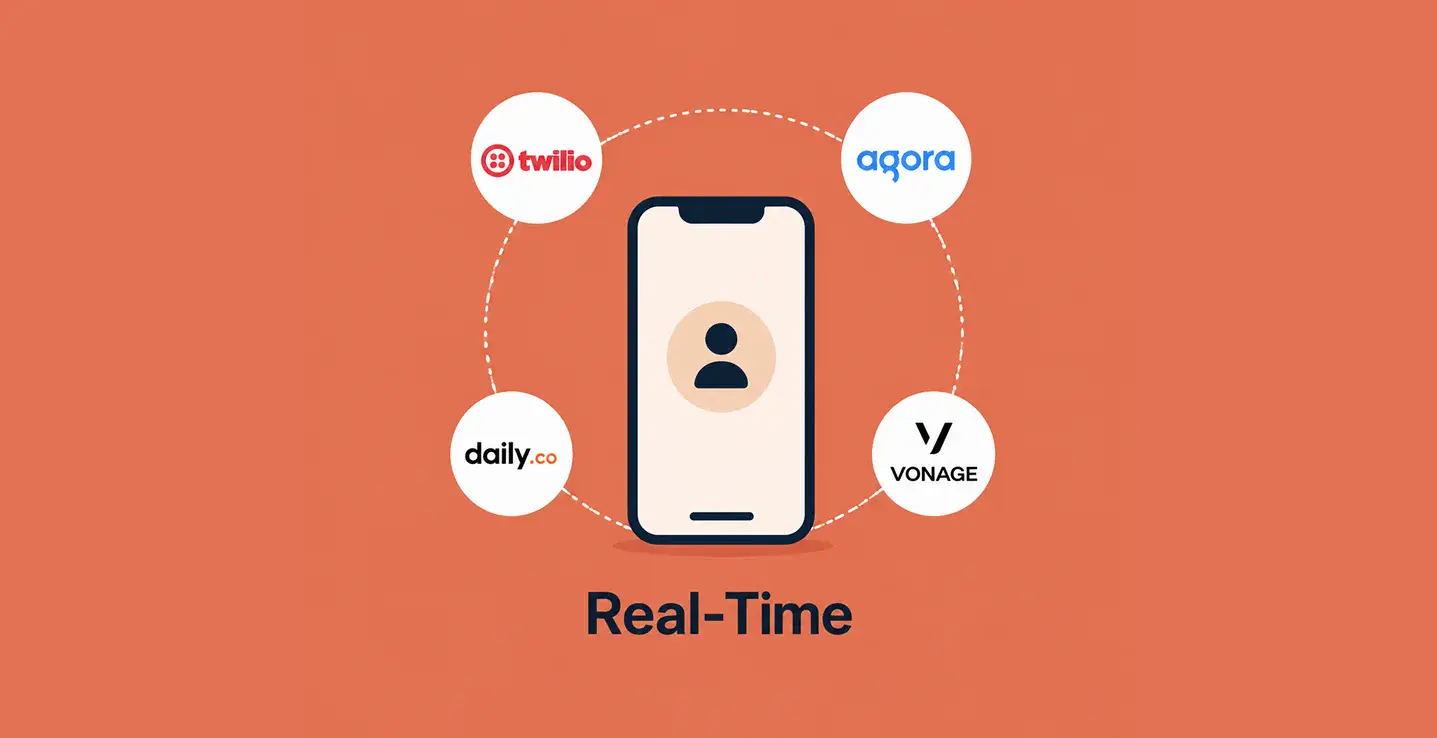 Real-time
Building a Real-Time Audio/Video Mobile App: Twilio, Agora, Daily.co, and Vonage
Read more ↗
Sources cited on this page
- Sensor Tower · State of Mobile 2026 ↗
- Sensor Tower · State of AI 2026 ↗
- a16z · Top 100 Gen AI Consumer Apps, 6th edition ↗
- Apple · App Review Guidelines ↗
- Google Play · AI-Generated Content policy ↗
- California · SB 243 companion chatbots ↗
Related AppMatic Tech pages: AI engineering services, mobile app development, AI agent development, education technology, sports and fitness technology, and startups and SaaS.
Frequently Asked Questions: Consumer AI App Development
Consumer AI app development is the engineering of iOS and Android apps where an AI model is the core of the experience for individual users: voice tutors, AI coaches, finance assistants, companions, and creative tools. AppMatic Tech builds the app, the AI pipeline across speech-to-text, LLM, text-to-speech, vision, and memory, the subscriptions, and the analytics that track retention and cost per user.
FELA shipped with Whisper speech-to-text, Groq inference, OpenAI GPT, and ElevenLabs voice synthesis, and Feel Sync uses Google NLP with OpenAI GPT. AppMatic Tech also builds with Anthropic Claude, Google Gemini, Deepgram, LiveKit, Twilio, StoreKit 2, Google Play Billing, and RevenueCat, chosen per feature by latency, cost, and data rules.
A spoken AI reply needs to start in under about 500 milliseconds to feel conversational. On FELA, AppMatic Tech budgets 80 to 120 ms for streaming speech-to-text, 150 to 200 ms for Groq LLM inference, 30 to 50 ms for the Language Aligner, 80 to 120 ms for streaming text-to-speech, and 30 to 60 ms for network overhead.
A cascaded pipeline of speech-to-text, LLM, and text-to-speech gives control over the model, the voice, caching, and the cost of each stage, which is why FELA runs one with a custom Language Aligner before text-to-speech. A speech-to-speech API such as the OpenAI Realtime API or Gemini Live API shortens the path and handles interruptions natively, with less control. AppMatic Tech prototypes both against the latency and cost target.
AppMatic Tech engagements start at $2,500+ for a Focused Sprint covering one defined deliverable, such as a latency and cost spike on a voice pipeline. Full consumer AI apps are priced after the Technical Architecture Document, because modality, latency target, platforms, providers, and monetisation set the scope. AI inference is a separate running cost per active user, modelled before the build starts.
Feel Sync, a Flutter AI news app with a Google NLP and GPT pipeline and a Laravel back end, went from zero to MVP in 1.5 months. Larger builds such as FELA, with native iOS and Android apps, a sub-500ms voice pipeline, subscriptions, and a seven-module admin panel, take longer. Modality, latency target, and platform count predict the timeline best.
General-purpose chat wrappers fail most often, because assistants already dominate downloads: Sensor Tower reports that OpenAI and DeepSeek held almost half of global AI app downloads in 2025. Consumer AI apps that grow own one job, add a proprietary layer between the model and the user, cap free usage to inference cost, and build the habit loop around the AI action.
Since November 2025, Apple App Review Guideline 5.1.2(i) requires apps to clearly disclose when personal data is shared with third-party AI and to obtain explicit permission first. Google Play's AI-Generated Content policy requires generative AI apps to let users report or flag offensive output without leaving the app. AppMatic Tech designs both into the first release.
Yes. AppMatic Tech audits the prototype first, keeps the product surface users already validated, and engineers the production layer: authentication, provider abstraction and fallback, cost controls, subscriptions, analytics, and store compliance. The audit decides between refactor and rebuild on evidence, not on how the code looks.
AppMatic Tech is based at 605 Ishan Square, GIDC Bhat, Ahmedabad, Gujarat, India. The engineering team has 10 to 49 engineers, has shipped 330+ products since 2017, retains 83% of clients, and holds a 5.0 Clutch rating across 11 verified reviews.
Start a Consumer AI App With AppMatic Tech
Every project begins with a scoping call, the eight requirement questions, and a written Technical Architecture Document. Contact the team at contact@appmatictech.com.
Start Your AI App ↗