
AI Avatar Video Platform · Knowledge-Trained Business Spokespersons with Multi-Service AI Orchestration
AppMatic Tech built an AI avatar video platform from scratch for an Israel-based AI video company: businesses create knowledge-trained AI spokespersons that generate talking videos. The platform orchestrates 4 to 6 AI providers per video with stage-level retry and provider fallback across every stage of the pipeline.
Project Overview
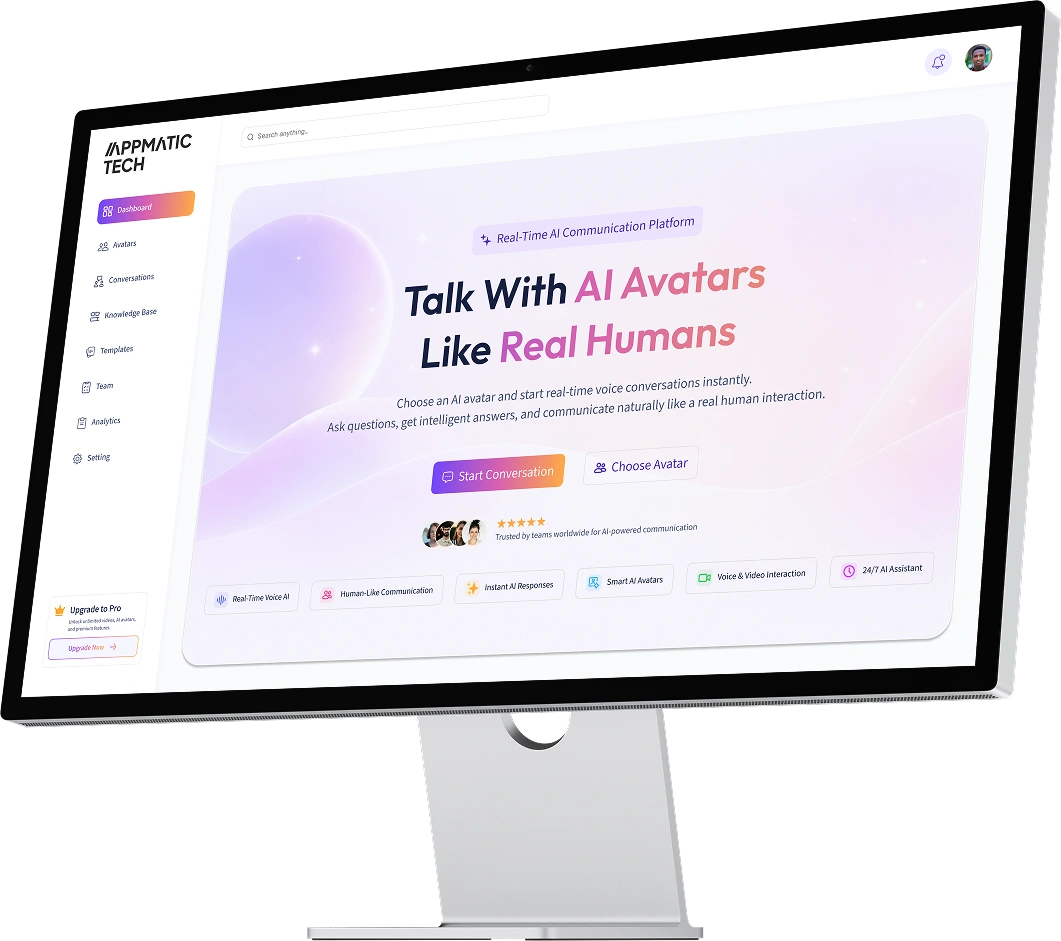
AppMatic Tech built an AI avatar video platform from scratch for an Israel-based AI video company. The platform enables businesses to create AI-powered video spokespersons trained on their own content, product information, and brand knowledge. A business uploads its knowledge base, creates or selects an AI avatar, and generates professional talking-head videos where the avatar presents the business's content with natural speech, synchronized lip movement, and human-like delivery. The platform orchestrates 4 to 6 different AI services per video, covering avatar generation, voice synthesis, lip synchronization, script generation, and video rendering, into a single automated pipeline.
- Client
- Israel-based AI video company (name withheld)
- Category
- SaaS, AI, Video Generation
- Platform
- Web Admin Dashboard
- AI Pipeline
- 4 to 6 services orchestrated per video
- Knowledge System
- Business-specific RAG for script grounding
- Engagement
- Built from scratch
The Problem AppMatic Tech Solved
AI avatar video generation in 2026 involves multiple specialized AI services that each handle one step of the pipeline. No single AI model generates a complete avatar video. Avatar face generation, voice synthesis, lip synchronization, and video rendering are each provided by different specialized services with different APIs, different latency profiles, different rate limits, and different failure modes. A platform that calls these services sequentially without orchestration logic fails when any single provider is slow, rate-limited, or unavailable, and the failure cascades through the entire pipeline.
The second challenge is content accuracy. A business creating AI avatar videos for marketing, training, or customer communication needs the avatar to speak accurately about the business's own products and services. A general-purpose LLM generating a script without access to the business's knowledge base produces content that sounds professional but may be factually wrong about the business's specific offerings, pricing, or capabilities. The platform needs to ground script generation in the business's own content, not in the LLM's general training data.
What AppMatic Tech Built
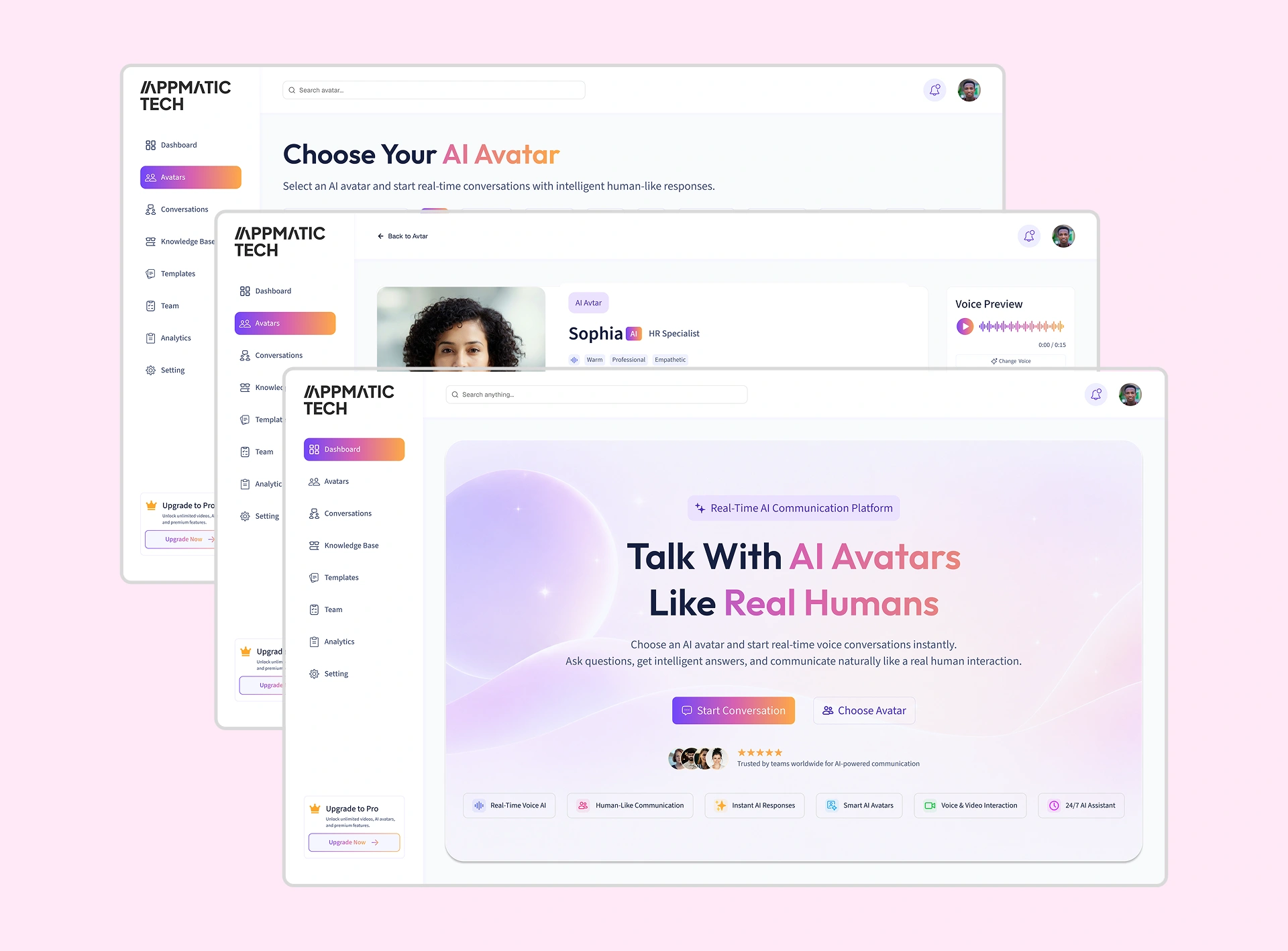
AppMatic Tech delivered the full AI avatar video platform from scratch: a multi-service orchestration engine, a provider fallback layer with quality flagging, a knowledge-grounded script generator, avatar creation and management, and an admin dashboard. Every component below was engineered to keep video generation reliable across multiple third-party AI providers.
- Multi-Service AI Orchestration Engine
- AppMatic Tech built the orchestration layer that coordinates 4 to 6 AI service calls per video generation. Each stage of the pipeline, avatar generation, voice synthesis, lip synchronization, script processing, and video rendering, is managed as an independent step with its own state. When a stage completes, its output is written to a persistent state object. If a stage fails, the pipeline retries that stage without re-running the stages that already completed. This architecture means a voice synthesis timeout does not waste the avatar generation work that preceded it. The pipeline resumes from the point of failure rather than starting over.
- Provider Fallback with Quality Flagging
- AppMatic Tech built automatic failover between AI providers at each pipeline stage. If the primary voice synthesis provider is unavailable or rate-limited, the orchestration layer routes to a configured fallback provider. Because different providers produce different quality levels, the platform flags videos that used fallback providers so the business user can review them before publishing. Automatic fallback keeps video generation running during provider outages. Quality flagging ensures the business knows when a fallback was used and can decide whether the output meets their standard.
- Knowledge-Grounded Script Generator
- AppMatic Tech built a RAG (Retrieval-Augmented Generation) system that processes each business's uploaded knowledge base, documents, product information, brand guidelines, and FAQs, into structured chunks. At script generation time, the system retrieves the chunks relevant to the video topic and constrains the LLM to generate the script from the retrieved business content rather than from general training knowledge. The generated scripts are optimized for spoken delivery: sentence length, pacing, and vocabulary are calibrated for natural speech rather than written consumption.
- Avatar Creation and Management
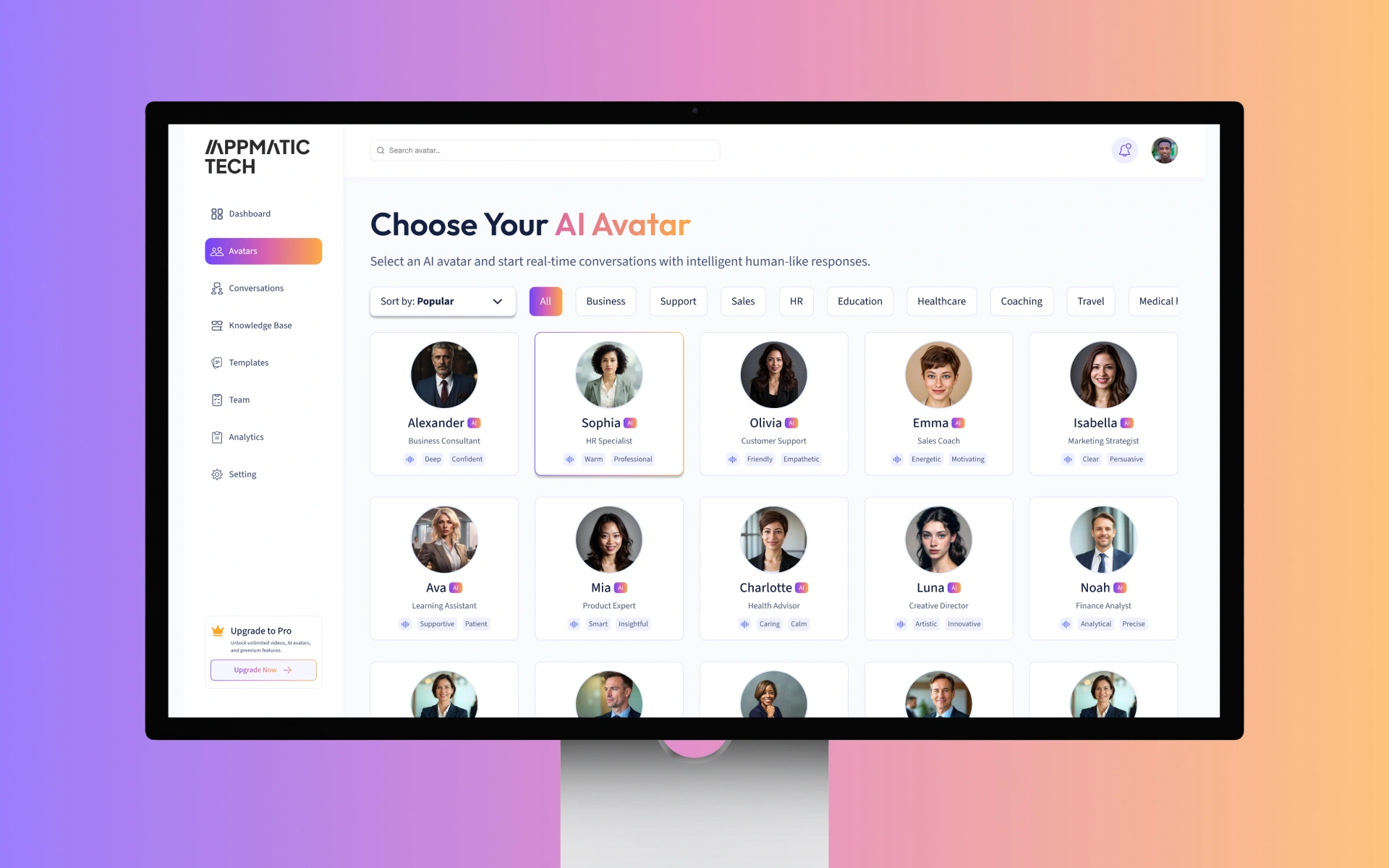
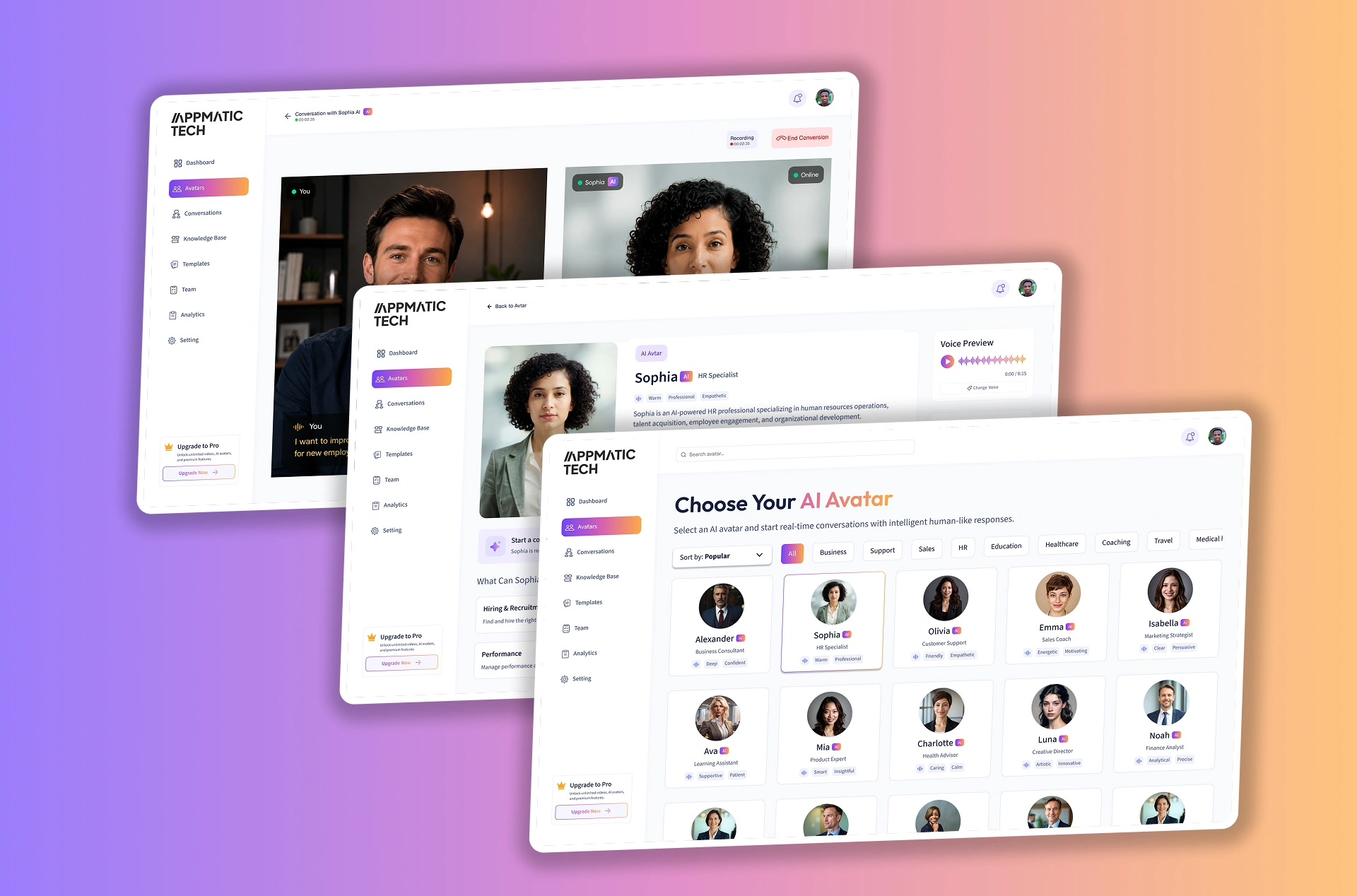
- AppMatic Tech built the avatar creation interface where businesses create custom AI avatars from uploaded photos or select from a pre-built library. Businesses can create multiple avatars for different use cases: a marketing avatar, a training avatar, and a support avatar, each with different appearance settings and knowledge base configurations. Avatar versioning allows businesses to update an avatar's appearance without losing previously generated videos.
- Admin Dashboard
- AppMatic Tech built the platform admin dashboard covering business account management, usage analytics (video generation volume, AI service consumption, cost per business), AI service configuration (API keys, provider preferences, fallback chains), content moderation for generated videos, and billing and subscription management. The dashboard gives the platform operator visibility into AI service costs and usage patterns across all business accounts.
Results
- AI Services
- 4 to 6 Per Video
- Orchestration
- Stage-Level Retry
- Knowledge
- Business-Trained
- Built
- From Scratch
AppMatic Tech delivered the AI avatar video platform as a complete system: a multi-service orchestration engine that coordinates 4 to 6 AI providers per video with stage-level retry and provider fallback, a knowledge-grounded script generator that constrains content to the business's own materials, an avatar creation and management interface, and an admin dashboard with usage analytics and AI service cost tracking. The orchestration architecture ensures that video generation continues running when individual AI providers experience outages, and the quality flagging system ensures that businesses are informed when fallback providers were used.
"The hardest part of building an AI video platform is not any single AI service. It is making five or six of them work together reliably. One provider goes down, your pipeline stops. AppMatic Tech built an orchestration layer where each step saves its work. If voice synthesis fails, the avatar work is not lost. The pipeline picks up from where it stopped. That reliability is what lets us promise our business clients consistent delivery times."
CTOIsrael-based AI Video Company

Typography
Color Palette
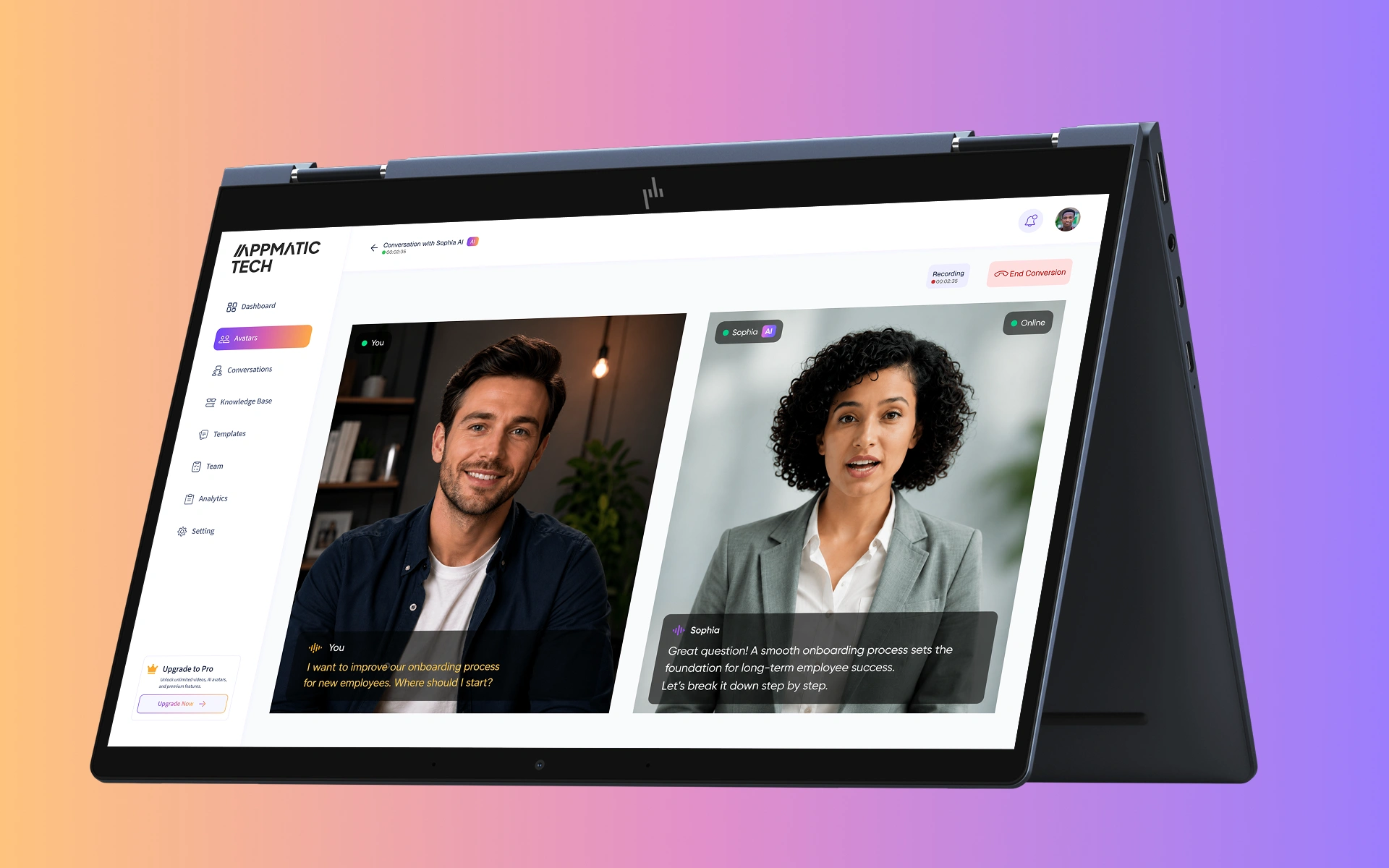
How the Video Generation Pipeline Works
- Script Generation
The business provides a script, a set of talking points, or a topic. If a topic or talking points are provided, the knowledge-grounded script generator retrieves relevant content from the business's knowledge base and generates a full script optimized for spoken delivery.
Step 1
- Voice Synthesis
The script is sent to the voice synthesis AI service, which generates natural speech audio with the selected voice profile. The output is a timestamped audio file with word-level timing markers that the lip sync stage uses for alignment.
Step 2 - Avatar and Lip Synchronization
The avatar model receives the audio file with timing markers and generates video frames where the avatar's mouth movements are synchronized to the speech. The lip sync AI model handles natural mouth shapes, blinks, and micro-expressions that make the avatar appear human-like rather than mechanical.
Step 3 - Video Composition
The synchronized avatar video, the audio track, the selected background, and any on-screen elements such as text overlays, logos, and lower thirds are composited into a single video file.
Step 4 - Rendering and Delivery
The composed video is rendered to the target resolution and format, typically MP4, and delivered to the business's dashboard for review, approval, and download. Each step writes its output to persistent storage, so if any step fails the pipeline restarts from that step using the outputs from previous steps, not from the beginning.
Step 5
AI Avatar Platform by the Numbers
| Metric | Value |
|---|---|
| Platform | Web admin dashboard |
| AI Services Per Video | 4 to 6 orchestrated providers |
| Pipeline Stages | Script, voice, lip sync, composition, rendering |
| Reliability Model | Stage-level retry with persistent state |
| Provider Strategy | Automatic fallback with quality flagging |
| Script Grounding | Business-specific RAG knowledge base |
| Avatars Per Business | Multiple, with versioning |
| Client Geography | Israel |
| Engagement Type | Built from scratch |
Technology Stack
- Node.js
- Orchestration engine
- Python
- RAG and AI service integration
- React
- Admin dashboard
- PostgreSQL
- Pipeline and account state
- Redis
- Job queue and stage state
- Vector RAG
- Knowledge-grounded scripts
- AI Video Services
- Avatar, voice, lip sync, render
- AWS
- Compute, storage, and delivery


Related AppMatic Tech Services
This AI avatar platform combined multi-service AI orchestration, RAG knowledge grounding, and a SaaS admin dashboard. Explore the AppMatic Tech services that map directly to this AI product build. See the startup software development hub for similar builds.



Explore More Craft
Explore More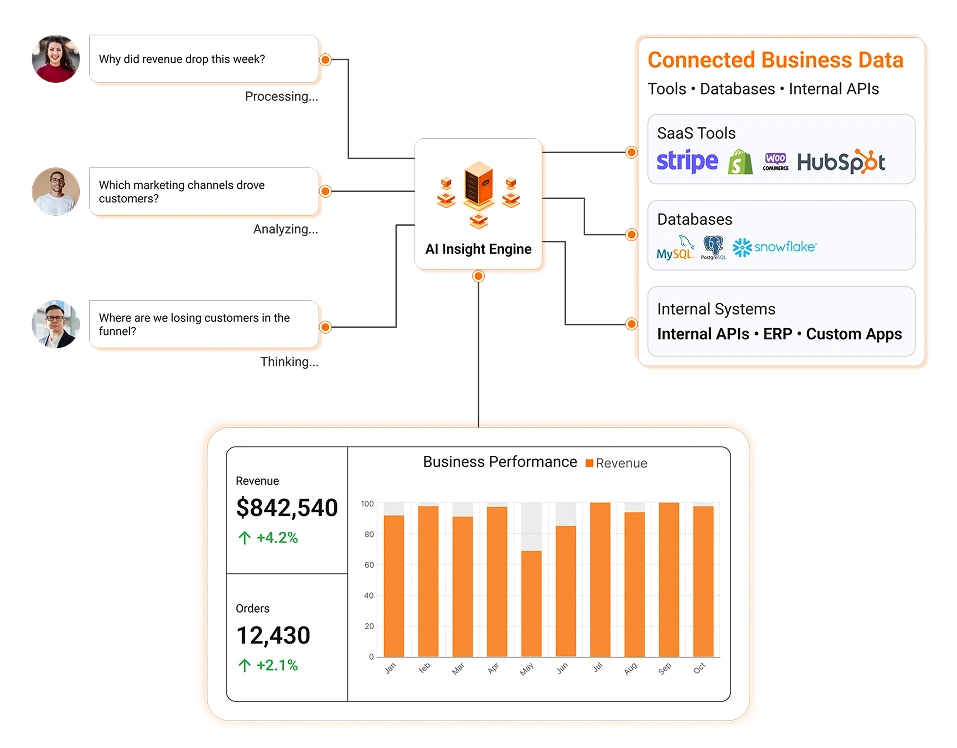
Construction MCP
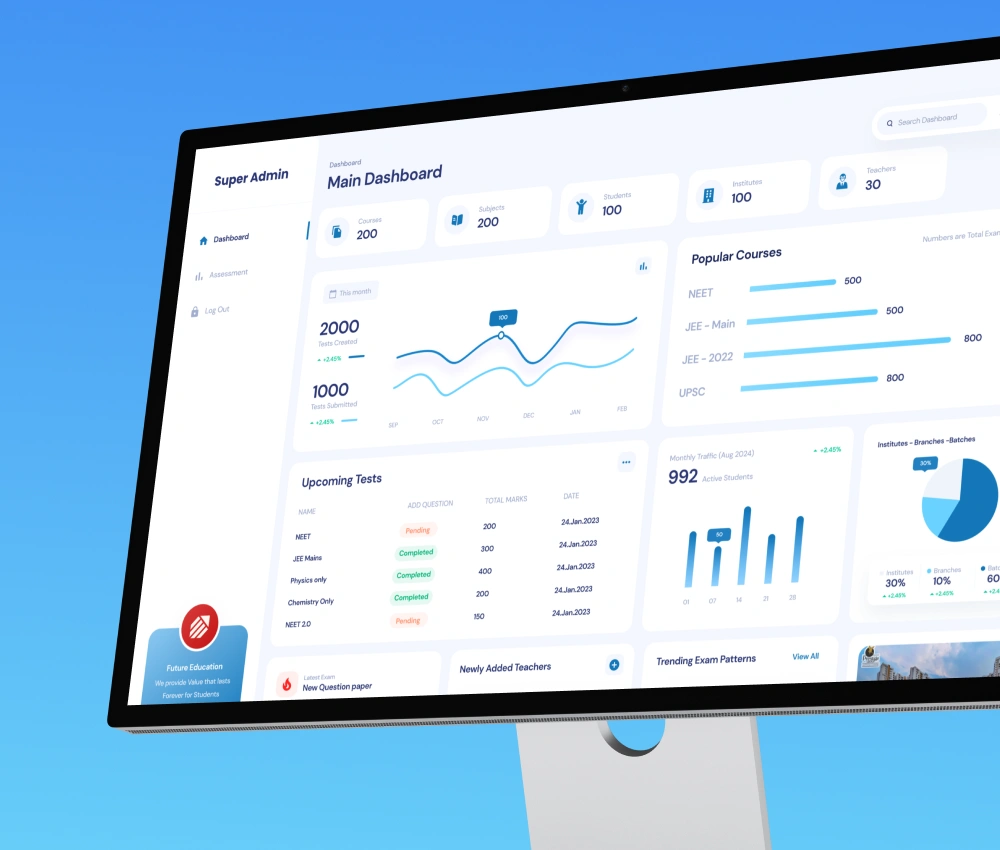
Future Education Dashboard
Build an AI Platform with AppMatic Tech
All projects begin with a no-cost Discovery and Technical Scoping session. Contact the team at contact@appmatictech.com.
Scope Your Project