

Homecare2go: Full UI/UX Redesign, Twilio Audio/Video Calling, and Real-Time Chat for a US Remote Patient Monitoring App
AppMatic Tech joined the Homecare2go development mid-project to redesign the entire iOS and Android UI/UX from scratch, integrate Twilio audio and video calling, build a Socket.io real-time chat interface, and deliver Laravel REST APIs. AppMatic Tech resolved audio latency and microphone conflicts from a merged third-party codebase and supported the US market launch in two months.
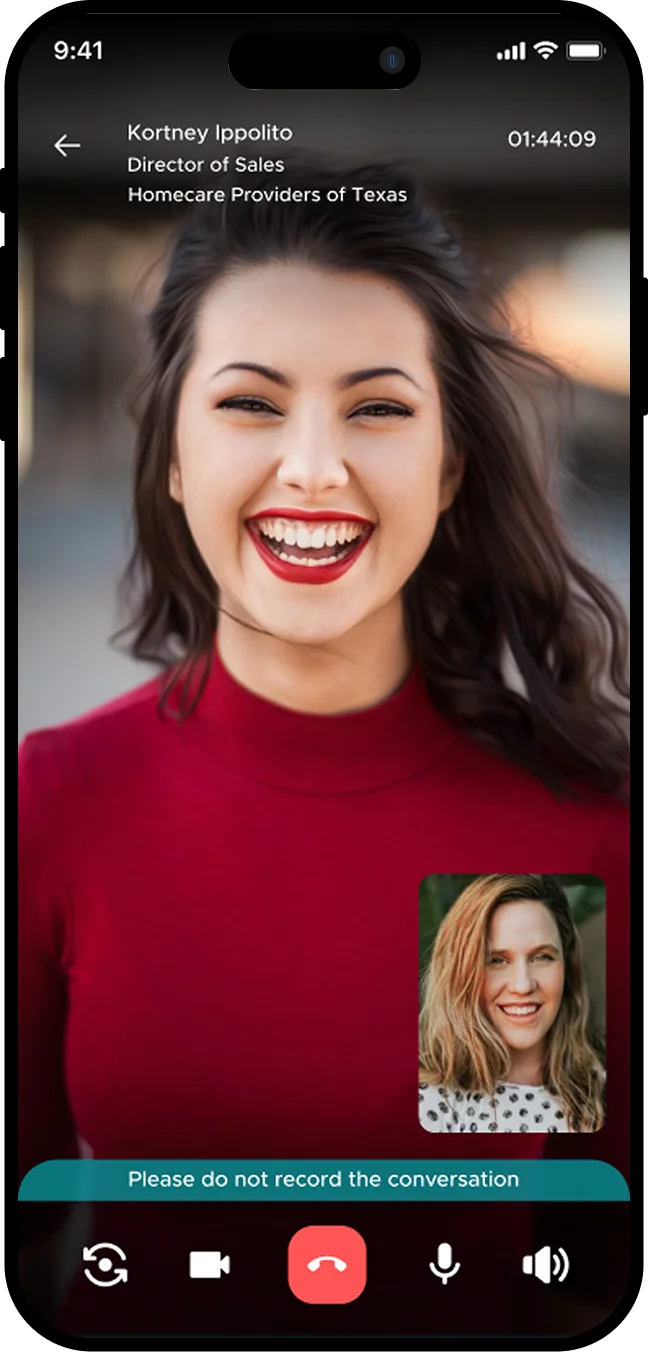
The Challenge: A Poor Existing UI, a Merged Third-Party Codebase, and Twilio Audio Conflicts to Resolve
When AppMatic Tech joined the Homecare2go project mid-development, two distinct problems required resolution before the US market launch could proceed. The first was the existing app interface: the Homecare2go UI was visually and structurally inadequate for a US healthcare product, with dated design patterns and patient-doctor interaction flows that did not meet the standard expected by US users. AppMatic Tech redesigned the entire Homecare2go interface from scratch: new visual language, navigation architecture, and patient consultation flows appropriate for a US telehealth audience. The second challenge was codebase integration complexity. Code from a separate company's application had already been merged into the Homecare2go iOS and Android codebase. When Twilio audio and video calling was introduced, immediate problems emerged: unacceptable call latency and microphone permission conflicts that originated from the merged third-party audio logic, not from Twilio itself. AppMatic Tech isolated the root cause, led direct technical coordination with the other company's engineering team, resolved the conflicts, and delivered a working Twilio integration on both platforms, alongside the Socket.io chat interface and the full Laravel API layer, within the two-month engagement window.
US Telehealth App Landscape and Calling SDK Selection, Competitive Analysis
AppMatic Tech assessed both the US telehealth app market and the available real-time calling SDK options when joining the Homecare2go project, informing the platform positioning and the technology selection for the communication layer.
US Telehealth App Competitors
| Company | Unique Value Proposition | Advantage | Disadvantage |
|---|---|---|---|
 | Largest US Telehealth Network: On-demand doctor visits across 450+ specialties with 24/7 availability and multi-payer insurance integration for US patients. | Broadest Coverage: Largest telehealth network in the US with multi-payer insurance integration and 24/7 on-demand availability across all 50 states. | Enterprise Complexity: Enterprise-focused pricing and complexity creates friction for smaller providers and patients on non-standard insurance plans. |
 | Health System Telehealth: Telehealth platform connecting patients to doctors, therapists, and specialists via video, with strong hospital system integrations. | Insurance Payer Integrations: Strong integration with 55+ health plans and established hospital system partnerships built over years of enterprise engagement. | Built for Large Systems: Less suitable for independent homecare providers and remote monitoring use cases with direct patient access. Not designed for smaller operators. |
 | Lightweight Browser Video: HIPAA-compliant browser-based video calling for healthcare providers with zero patient download required and minimal onboarding friction. | Zero Patient Download: Browser-based video calling with minimal onboarding friction and no native app installation requirement for patients or providers. | No Native App or Chat: No native mobile app, no real-time chat, and no insurance routing. Video calling only, not a full remote patient monitoring platform. |
 | On-Demand Specialist Care: Telehealth app for urgent care, behavioural health, and dermatology with transparent pricing and nationwide US availability. | Mental Health Coverage: Transparent pricing, nationwide US availability, and strong mental health service coverage with contracted payer network routing. | No Homecare Capability: Specialty-focused with no homecare or remote monitoring capability. Insurance navigation limited to MDLive's contracted plan network only. |
Why Twilio Was Selected for Homecare2go
| SDK | Key Capability | Advantage | Limitation for This Project |
|---|---|---|---|
 Selected | Programmable Audio and Video: Server-side access token model with native iOS and Android SDKs, granular session control, and well-documented Swift and Kotlin integration paths. | Mature Native SDKs: Strong US healthcare app adoption, granular server-side session control via token generation, and clear Swift and Kotlin integration documentation. | None (Selected): Selected as the primary calling SDK for the Homecare2go iOS and Android integration. |
 | Low-Latency Global Video: Real-time audio and video SDK built for very low media latency at global scale with competitive pricing at high call volumes. | Global Media Latency: Very low media latency globally and competitive pricing at high call volumes compared to Twilio for high-frequency usage patterns. | Integration Complexity: Less granular server-side access control for per-session token scoping. More complex iOS and Android integration surface for a two-month engagement. |
 | WebRTC Abstraction Layer: Fast video calling SDK integration via iframe and React component approach with minimal backend setup required for web applications. | Fast Web Integration: Fast integration via iframe and React component approach with minimal backend setup for web-based implementations. | No Native iOS or Android SDK: Relies on WebRTC web views. Not suitable for a native Swift and Kotlin app with a fully custom UI design requirement. |
 | Enterprise Video API: Programmable video API from Vonage, formerly OpenTok, with documented iOS and Android SDKs for enterprise video applications. | Established Enterprise API: Established enterprise video API with documented iOS and Android SDKs and long-standing presence in the programmable video market. | Slower SDK Velocity: Slower feature velocity and thinner iOS and Android native SDK community support compared to Twilio at the time of the Homecare2go integration. |
What AppMatic Tech Delivered on the Homecare2go Engagement
AppMatic Tech delivered five components of the Homecare2go product across the two-month mid-project engagement: a full UI/UX redesign, Twilio calling, Socket.io chat, Laravel APIs, and resolution of a cross-team codebase integration conflict.
- Full UI/UX Redesign from Scratch
- AppMatic Tech scrapped the existing Homecare2go interface and designed a new UI/UX from scratch across the iOS and Android apps. The redesign replaced the previous visual system, which did not meet the quality bar of a US healthcare product, with a new design language, updated navigation architecture, and refined patient-doctor consultation flows. The new interface was designed to match the interaction quality expected by a US telehealth product audience and was delivered within the same two-month engagement as the communication feature layer.
- Twilio Audio and Video Calling (iOS and Android)
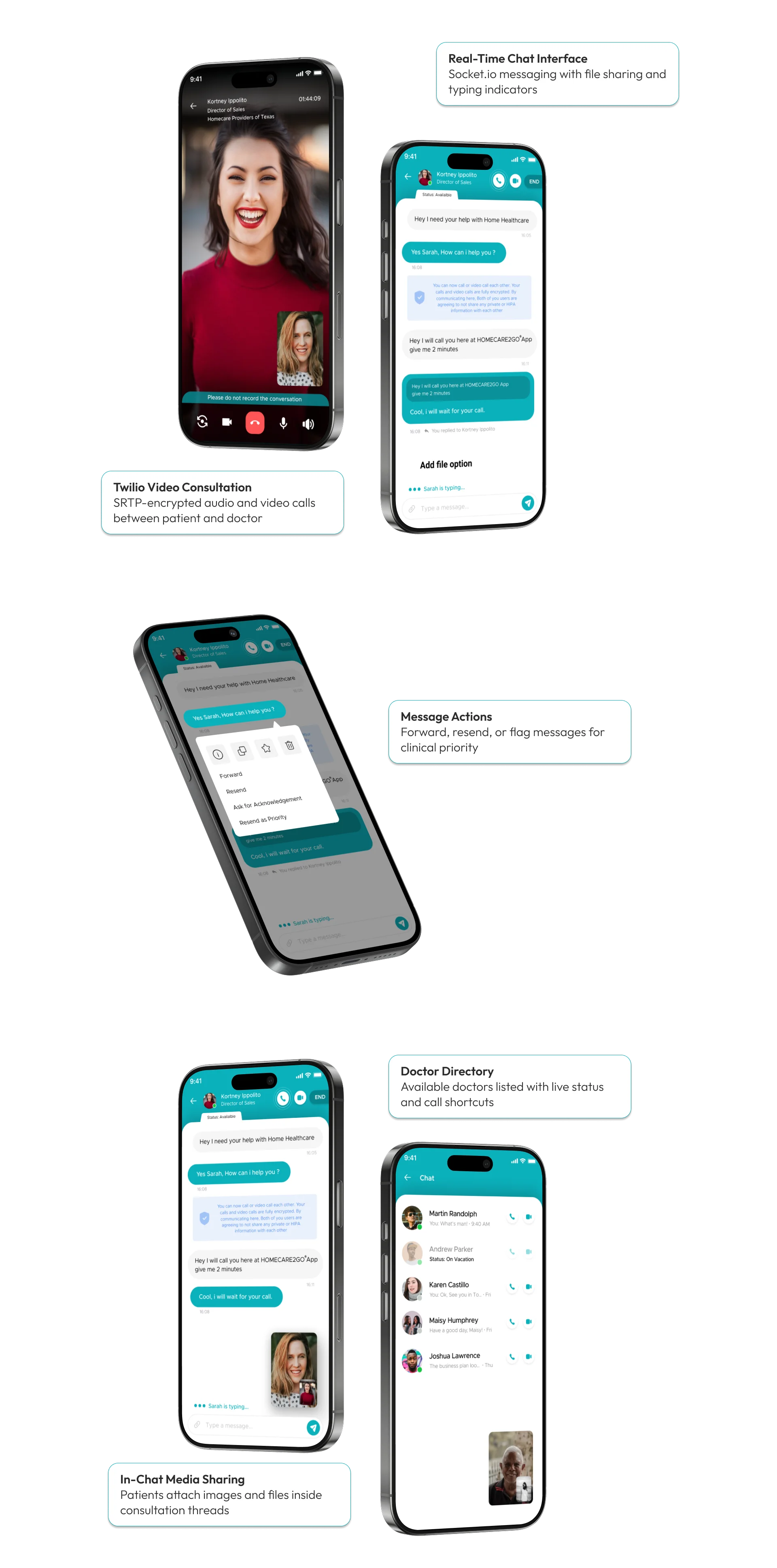
- AppMatic Tech integrated the Twilio Voice and Video SDK into the Homecare2go iOS app in Swift and Android app in Kotlin, enabling patients and doctors to conduct audio and video consultations directly through the app. Integration required isolating and resolving audio latency and microphone conflicts introduced by third-party code already merged into the project codebase.
- Socket.io Real-Time Chat Interface
- AppMatic Tech built the real-time patient-doctor chat interface for Homecare2go using Socket.io, enabling persistent in-app messaging alongside the Twilio audio and video calling feature. The chat layer was designed for the patient consultation workflow, supporting asynchronous communication between scheduled video sessions.
- Laravel REST APIs
- AppMatic Tech developed the Laravel REST API layer for the Homecare2go communication features, covering session management for audio and video calls, real-time chat message handling, patient-doctor matching, and insurance provider routing. The APIs were built to serve both the iOS and Android clients as primary consumers.
- Cross-Team Integration and Audio Conflict Resolution
- AppMatic Tech led direct technical communication with the third-party company whose code had been merged into the Homecare2go codebase, identifying the specific audio session handling patterns that conflicted with Twilio initialisation on iOS and Android. This coordination produced a clean integration architecture that resolved latency and microphone issues across both platforms before the US market launch.
- Engagement Duration
- 2 months
- Platforms
- iOS + Android
- Calling SDK
- Twilio
- Real-Time Chat
- Socket.io
- Backend
- Laravel
- Market
- USA
Homecare2go Redesigned Interface
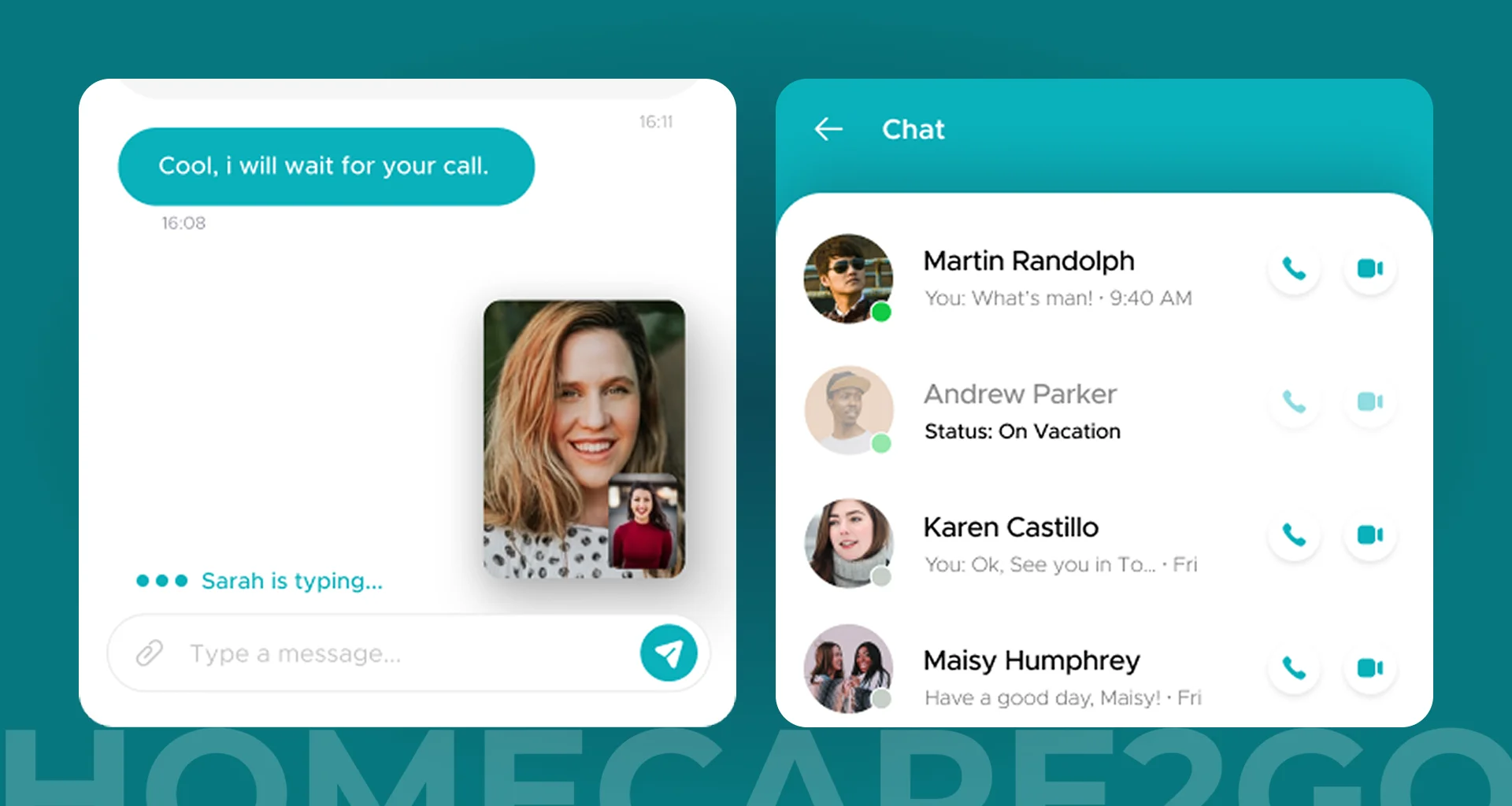
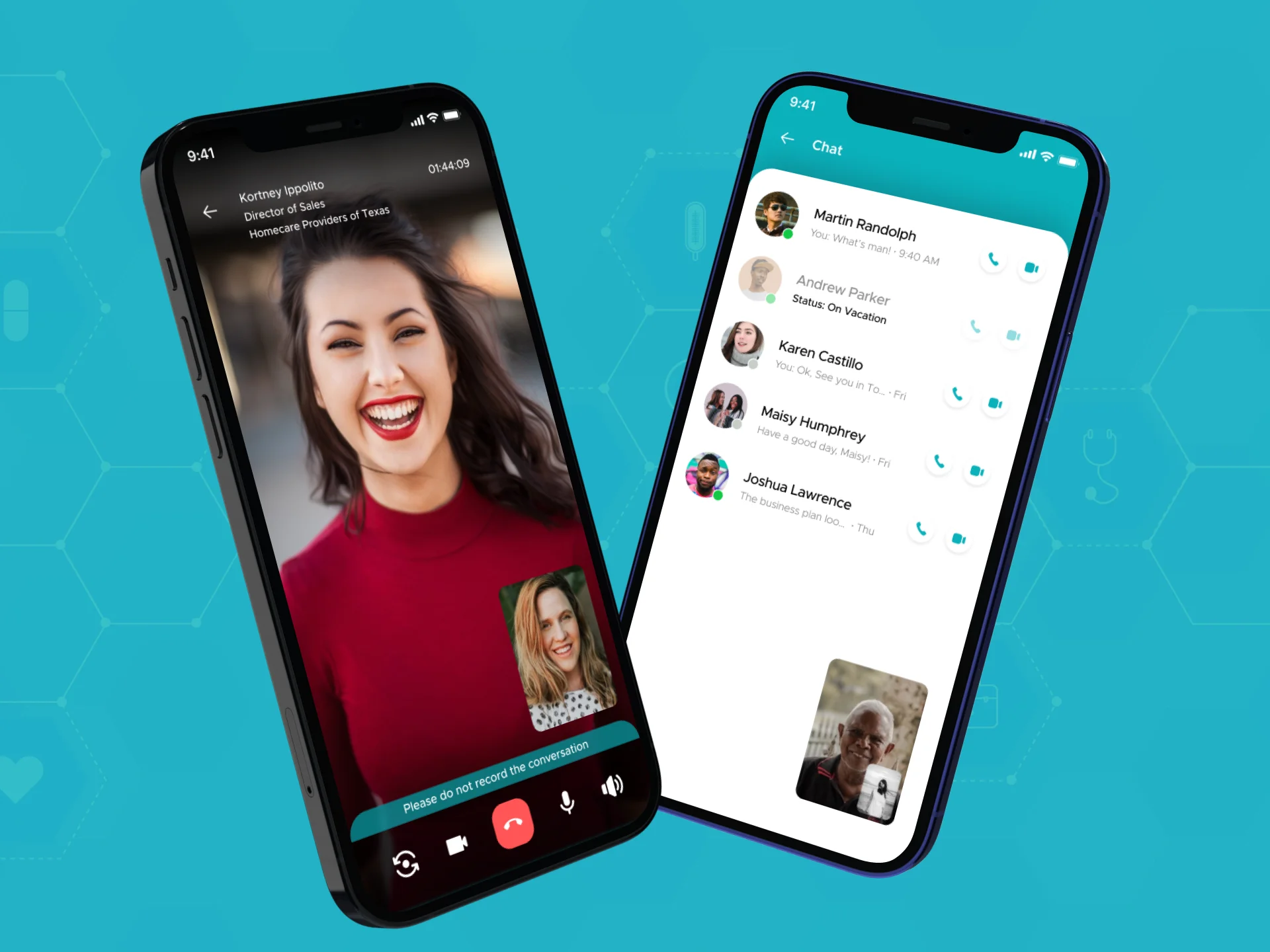
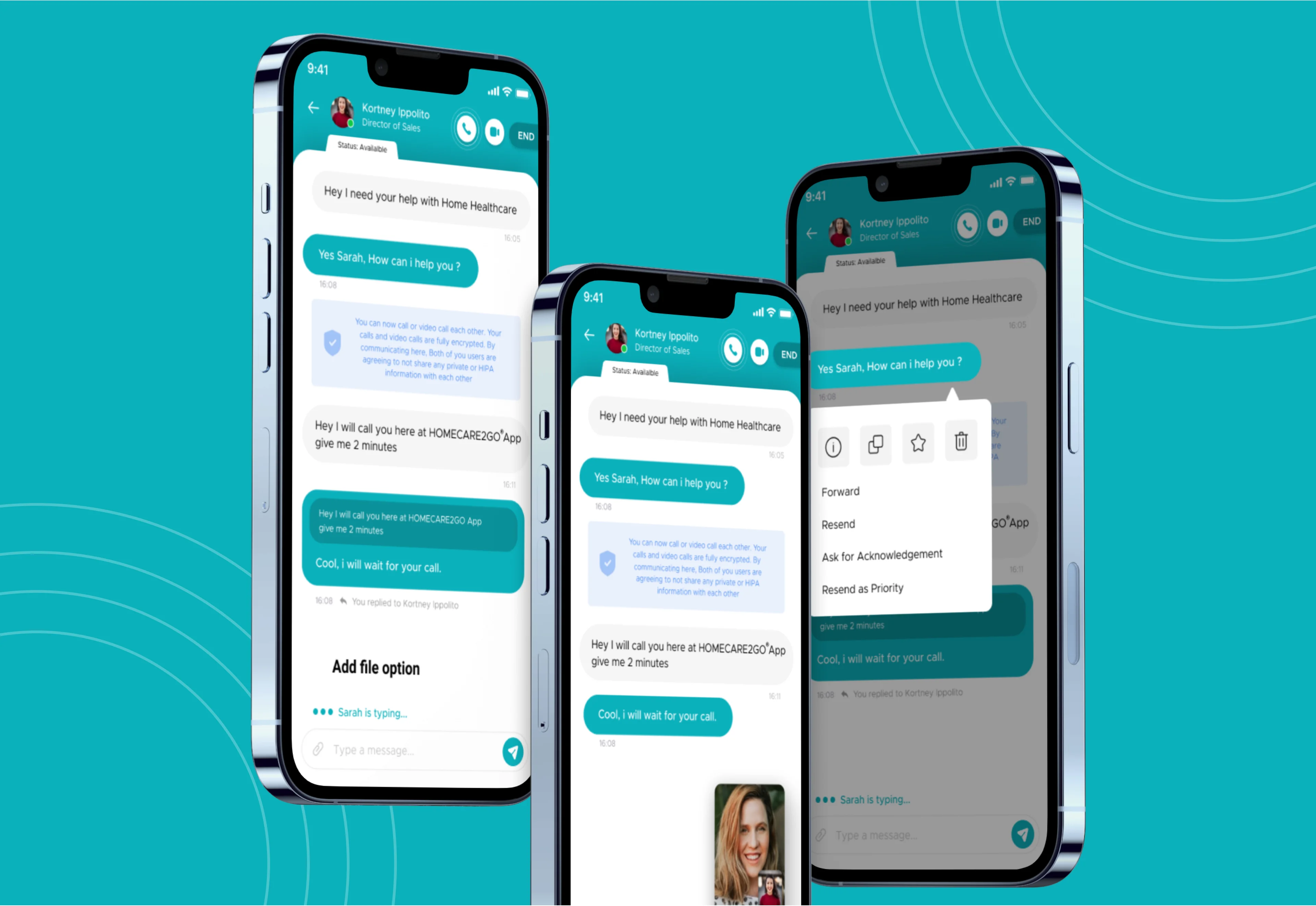
AppMatic Tech redesigned the Homecare2go interface from scratch, replacing the previous inadequate UI with a new visual language, component system, and patient-doctor interaction architecture appropriate for a US telehealth product. The new design was built to work across the iOS and Android apps simultaneously, with consistent visual treatment across the patient consultation screen, Twilio video call view, Socket.io chat thread, and insurance routing flow. All new UI components were designed to ship within the same two-month window as the technical integration work.
"AppMatic Tech came in mid-project and did two things we needed urgently: they redesigned the UI completely, which was long overdue, and they untangled the Twilio integration that was breaking because of the merged codebase. They coordinated with the other team, fixed the audio issues, and shipped everything. The US launch went cleanly."
Homecare2goProduct Lead, Homecare2go.


Target Audience
Homecare2go connects US patients, home caregivers, and healthcare providers through one mobile telehealth platform built on Twilio and Socket.io.
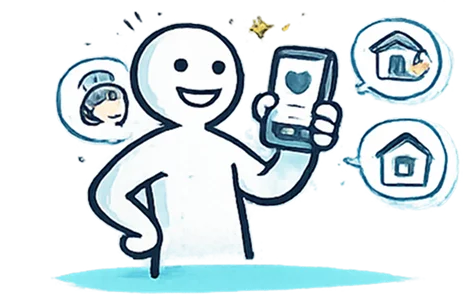
Patients Seeking On-Demand Healthcare
US patients use Homecare2go to connect with doctors and caregivers from home via Twilio audio and video calls on iOS and Android. The app removes travel barriers for routine consultations, follow-ups, and urgent care conversations without visiting a clinic.

Doctor Discovery and Verified Reviews
Patients browse available doctors by specialty and real-time availability, with verified consultation ratings guiding selection. Homecare2go surfaces the right provider for each patient's homecare and remote monitoring need, replacing manual referral workflows.
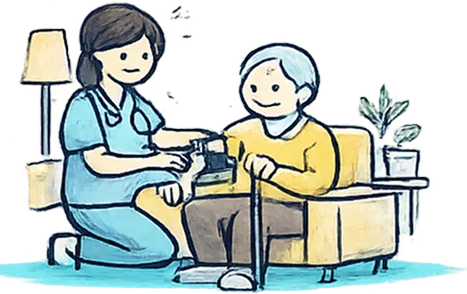
Homecare Providers and Field Caregivers
Homecare agencies and field caregivers use Homecare2go to coordinate patient visits, share clinical updates, and connect with supervising doctors via in-app Twilio calls, without switching between separate communication tools across a shift.

Chronic Condition and Remote Monitoring Patients
Patients managing chronic conditions use Homecare2go for regular remote monitoring check-ins with their care team, reducing unnecessary in-clinic visits while keeping clinical oversight and real-time chat access continuous between scheduled appointments.

Healthcare Operations and Care Coordinators
Care coordinators use Homecare2go to track active patient consultations, review session history, and manage insurance routing, giving clinical operations teams real-time visibility into patient engagement across the platform.

Insurance-Verified Telehealth Providers
Healthcare providers on Homecare2go are matched to patients based on insurance plan compatibility, ensuring every Twilio consultation session is covered and billable within the patient's existing US health plan without manual pre-authorisation.
Homecare2go: Engagement Outcomes
| Metric | Value |
|---|---|
| Engagement Duration | 2 months |
| Platforms | iOS (Swift) + Android (Kotlin) |
| UI/UX | Full redesign from scratch |
| Calling SDK | Twilio (audio + video) |
| Real-Time Chat | Socket.io |
| Backend APIs | Laravel |
| Market | USA, successfully launched |
| Engagement Type | Mid-project takeover · UI redesign · cross-team codebase integration |
Homecare2go Tech Stack
- Swift
- iOS app development for the Homecare2go UI/UX redesign and Twilio calling integration
- Kotlin
- Android app development for the Homecare2go UI/UX redesign and Twilio calling integration
- Laravel
- Backend REST APIs for call session management, chat messaging, and insurance provider routing
- PHP
- Server-side runtime for the Laravel API layer
- Firebase
- FCM push notifications on Android and APNs authentication on iOS
- MySQL
- Relational database for patient sessions, doctor availability, and chat history
- Figma
- Full UI/UX redesign, prototyping, and developer handoff for patient and doctor flows
- Twilio
- Audio and video calling SDK integrated on both iOS Swift and Android Kotlin apps
- AWS S3
- Media and asset storage for the Homecare2go platform
- Postman
- API validation and backend workflow testing across all Homecare2go endpoints
- Google Analytics
- Product usage and patient engagement measurement post-launch
- Latency Testing
- Twilio call quality benchmarking and API response time measurement across both platforms
- Real-Device Testing
- On-device QA on iOS and Android hardware for calling, chat, and redesigned UI flows
- Socket.io
- Real-time patient-doctor chat interface running alongside Twilio calling sessions
- Jenkins
- Build automation and deployment pipeline for iOS and Android releases





Security Practices on the Homecare2go Engagement
- Twilio Encrypted Media Transport
All audio and video calls on the Homecare2go iOS and Android apps were transmitted using Twilio's SRTP-encrypted media transport, ensuring patient-doctor consultation content was not exposed in transit. No unencrypted audio or video paths were introduced during the AppMatic Tech integration.
- Token-Based Twilio Session Access
AppMatic Tech implemented Twilio access token generation via the Laravel API layer, ensuring each patient-doctor call session was authorised server-side before the client could initiate audio or video. Tokens were scoped per session with defined TTLs and not reused across consultations.
- Socket.io Chat Message Scoping
The real-time chat interface was implemented with per-session Socket.io room scoping, ensuring chat messages between a patient and doctor were not accessible to other users or sessions within the Homecare2go platform.
- API Authentication Layer
All Laravel REST API endpoints serving the communication features required authenticated requests, ensuring patient session data, doctor availability, and insurance routing responses were accessible only to verified app users.
- Microphone and Camera Permission Isolation
During the resolution of the merged codebase audio conflicts, AppMatic Tech isolated and correctly scoped microphone and camera permission requests on both iOS and Android to the Twilio calling session only, preventing permission escalation by other audio-consuming components in the merged codebase.
 Twilio Encrypted Media Transport
 Token-Based Twilio Session Access
 Socket.io Chat Message Scoping
 API Authentication Layer
 Microphone and Camera Permission Isolation
How AppMatic Tech Delivered the Homecare2go Redesign and Communication Layer in Two Months
- Codebase and UX Audit
AppMatic Tech audited the existing Homecare2go iOS and Android codebase and the existing UI/UX across both apps, identifying the merged third-party code responsible for audio conflicts, scoping the full UI redesign requirements, and mapping the integration plan for Twilio, Socket.io, and the Laravel API layer.
Days 1 to 7
- UI/UX Redesign
AppMatic Tech designed the new Homecare2go interface from scratch, including a new visual language, component system, patient consultation flows, Twilio video call view, chat thread layout, and insurance routing screens across iOS and Android in parallel.
Days 5 to 25 - Cross-Team Coordination and Twilio Architecture Alignment
AppMatic Tech initiated and led direct technical communication with the other company's engineering team to understand their audio session implementation, agree on codebase boundaries, and define the integration path that allowed Twilio to initialise cleanly on both platforms.
Days 7 to 18 - Twilio Integration and Audio Conflict Resolution
AppMatic Tech integrated the Twilio Voice and Video SDK on iOS in Swift and Android in Kotlin, resolved all audio latency and microphone conflicts, and validated call quality across device variants before moving to chat and API work.
Days 15 to 40 - Socket.io Chat and Laravel API Development
AppMatic Tech built the Socket.io real-time chat interface and developed the full Laravel REST API layer for call session management, chat message handling, and insurance provider routing, running parallel to UI implementation and final Twilio testing.
Days 30 to 52 - QA, UI Integration, and US Market Launch
AppMatic Tech completed end-to-end QA across the redesigned UI, calling, chat, and API layers on iOS and Android, supported the App Store and Google Play submission process, and delivered the Homecare2go communication and interface features for the successful US market launch.
Days 50 to 60
Services Behind This Build
Homecare2go combined native mobile engineering, real-time communication integration, and a full UI/UX redesign. Explore the AppMatic Tech services that map directly to this product build.

Explore More Craft
Explore More
EYVA
Anvahi
AppMatic Tech Delivers UI/UX Redesigns and Real-Time Communication on iOS and Android
All projects begin with a no-cost Discovery and Technical Scoping session. Contact the team at contact@appmatictech.com.
Start the Conversation