

Android Automotive OS Infotainment App: 100M-User Indian FM Platform Rescued and Delivered for Festive Season
AppMatic Tech rescued and delivered an Android Automotive OS infotainment app for a leading Indian FM and music streaming platform with 100M+ potential users. Delivered in two months against a hard festive season deadline, resolving inherited codebase issues, enhancing the in-car UI to AAOS driver distraction standards, and optimising streaming API performance.
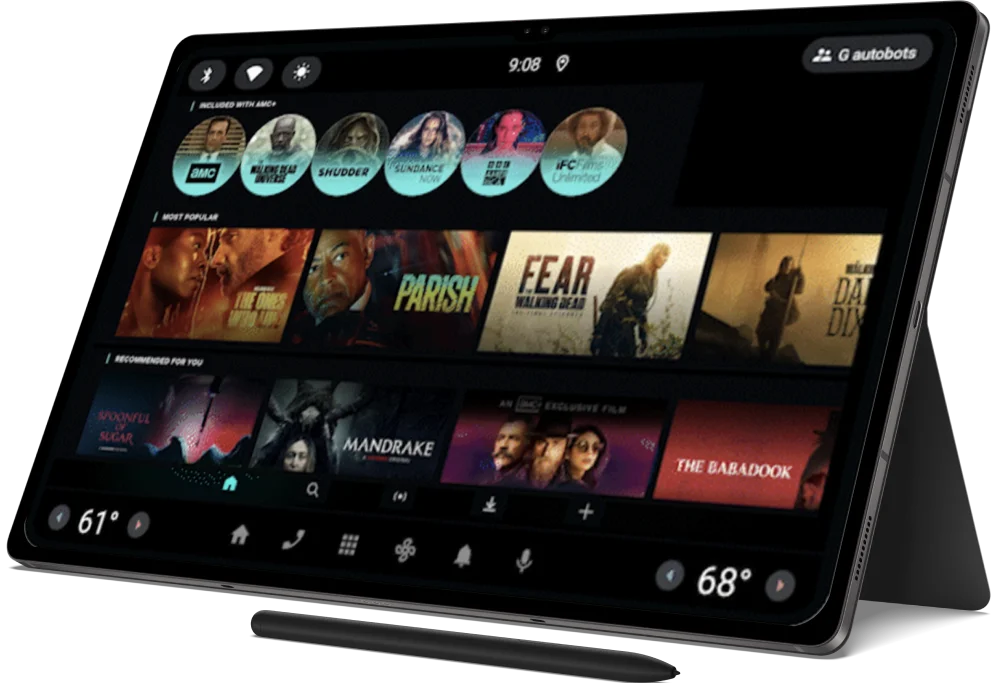
The Challenge: A 100M-User App, Critical Issues, and a Festive Season Deadline That Could Not Move
A leading Indian FM and music streaming platform with over 100 million potential users needed its Android Automotive OS application brought to a production-ready, festive season release standard within two months. The app had stalled mid-development with unresolved technical issues blocking the release. Android Automotive OS is a full native infotainment operating system running directly on a vehicle's head unit, distinct from Android Auto which mirrors a phone, and requires its own native app built to automotive UI and driver safety standards. AppMatic Tech took over the project, diagnosed and resolved the inherited issues, enhanced the in-car UI, optimised streaming API performance for the vehicle connectivity context, and delivered a tested, stable festive season release. The deadline was met. The app reached a user base of national scale.
Android Automotive OS Infotainment Apps, Competitive Analysis
AppMatic Tech mapped the Android Automotive OS infotainment landscape during the engagement to understand the UI and performance benchmarks the platform's in-car experience needed to meet or exceed.
| Company | Unique Value Proposition | Company Advantage | Company Disadvantage |
|---|---|---|---|
 | First Major Platform with a Fully Native Android Automotive OS App: Spotify's native Android Automotive OS app delivered in-car music streaming without phone dependency, setting the benchmark for standalone infotainment streaming experiences on vehicle head units. | Category-Defining In-Car UX Benchmark: As the first major streaming platform on Android Automotive OS, Spotify set the interaction and performance expectations that all subsequent infotainment streaming apps were measured against. | Western Catalogue Focus; Limited Indian Content: Spotify's catalogue prioritised Western music with limited depth in Bollywood, regional Indian music, and live FM radio, creating a significant content gap for the Indian automotive market. |
 | Amazon Ecosystem Integration with Alexa Voice Control: Amazon Music on Android Automotive OS combined in-car streaming with deep Amazon ecosystem integration and Alexa voice command support for hands-free control while driving. | Strong Alexa Voice Integration: Amazon Music's Alexa integration gave it a hands-free driving advantage, with voice-controlled playback and queue management suited to the in-car context where screen interaction should be minimised. | Limited India Content Depth; No FM Radio: Amazon Music's India content library depth was limited compared to Indian-first platforms, with no FM radio integration and reduced relevance for users outside the Amazon Prime subscription ecosystem. |
 | Live FM Radio and On-Demand Music in a Native Automotive App: iHeartRadio combined live FM radio streaming with on-demand music in a single native Android Automotive OS interface, offering a unified radio and music experience without phone dependency. | Strongest Live Radio Integration on Android Automotive OS: iHeartRadio's combination of live FM and on-demand streaming in one automotive-native interface gave it a differentiated position for users who wanted both formats in a single in-car app. | US-Centric Station Catalogue; No Indian FM: iHeartRadio's station catalogue was built around US FM radio markets with no Indian FM stations or regional content, making it entirely irrelevant for the Indian automotive infotainment market. |
 | Universal Phone Projection for Compatible Streaming Apps: Android Auto projected compatible Android phone apps onto the car's head unit screen, giving any phone-based streaming app a vehicle display without requiring a separate automotive-native build. | Universal Compatibility Without Car-Specific Development: Android Auto's phone-mirroring approach worked with any compatible Android phone and required no automotive-specific app build, giving streaming platforms immediate in-car presence without native development investment. | Phone Dependency; Distinct from Android Automotive OS: Android Auto required the phone to be present and connected at all times, unlike Android Automotive OS which runs natively on the vehicle's head unit with no phone dependency, delivering a fundamentally different and more capable in-car experience. |
What AppMatic Tech Delivered for the Android Automotive Infotainment App
AppMatic Tech took over the project, resolved critical blockers, and delivered the full Android Automotive OS app in two months. The platform differences and review rules behind the build are explained in Android Automotive OS app development.
- Mid-Project Issue Resolution and Codebase Stabilisation
- AppMatic Tech assessed the inherited Android Automotive OS codebase, diagnosed the critical issues blocking the festive season release, including UI rendering problems, API failures, and playback instability, and resolved them systematically across the two-month engagement. Stabilisation was the prerequisite for all UI enhancement and optimisation work that followed.
- Native Android Automotive OS App (Kotlin)
- AppMatic Tech continued and enhanced the Android Automotive OS application in Kotlin, implementing Android Automotive's driver distraction guidelines with large touch targets, glanceable content hierarchy, and limited interaction complexity while in motion, improving the music playback and FM radio interfaces, and ensuring the app met Android Automotive OS certification requirements for vehicle head unit deployment.
- In-Car UI Enhancement
- AppMatic Tech redesigned and enhanced the in-car UI to meet Android Automotive OS standards, applying large accessible touch targets for driver safety, clear visual hierarchy for glanceable consumption, and media browsing flows appropriate for the in-car context where interaction time is short and attention is divided. The enhanced UI was validated against Android Automotive's driver distraction guidelines before release.
- Streaming API Optimisation
- AppMatic Tech optimised the API consumption layer for the streaming context of Android Automotive OS, where network conditions inside moving vehicles vary significantly and buffering or API latency are unacceptable. Request caching, response handling, and playback buffer management were optimised for the connectivity profile of in-vehicle use.
- Festive Season Release Delivery
- AppMatic Tech managed testing, QA, and release preparation to meet the client's commercially non-negotiable festive season launch deadline, delivering a tested, stable release for a platform with over 100 million potential users within the two-month window.
Android Automotive App: Delivery Metrics
- Engagement Duration
- 2 months
- Engagement Type
- Mid-project rescue, critical issues resolved, UI enhanced, API optimised
- Potential Users
- 100,000,000+
- Launch
- On-time festive season release
- Platform
- Android Automotive OS (native Kotlin)
- Client Scale
- Leading Indian FM and music streaming platform
Android Automotive UI Design
AppMatic Tech enhanced the in-car UI design for the Android Automotive OS infotainment app to the driver distraction and large-screen standards Android Automotive OS requires. The primary design challenge was adapting the platform's existing visual identity, developed for handheld mobile, to the large vehicle head unit screen format, where touch targets must be significantly larger, content hierarchy must be immediately scannable at a glance, and interaction complexity must be reduced while the vehicle is in motion. AppMatic Tech achieved this within the two-month delivery window as part of the broader issue resolution and optimisation engagement.
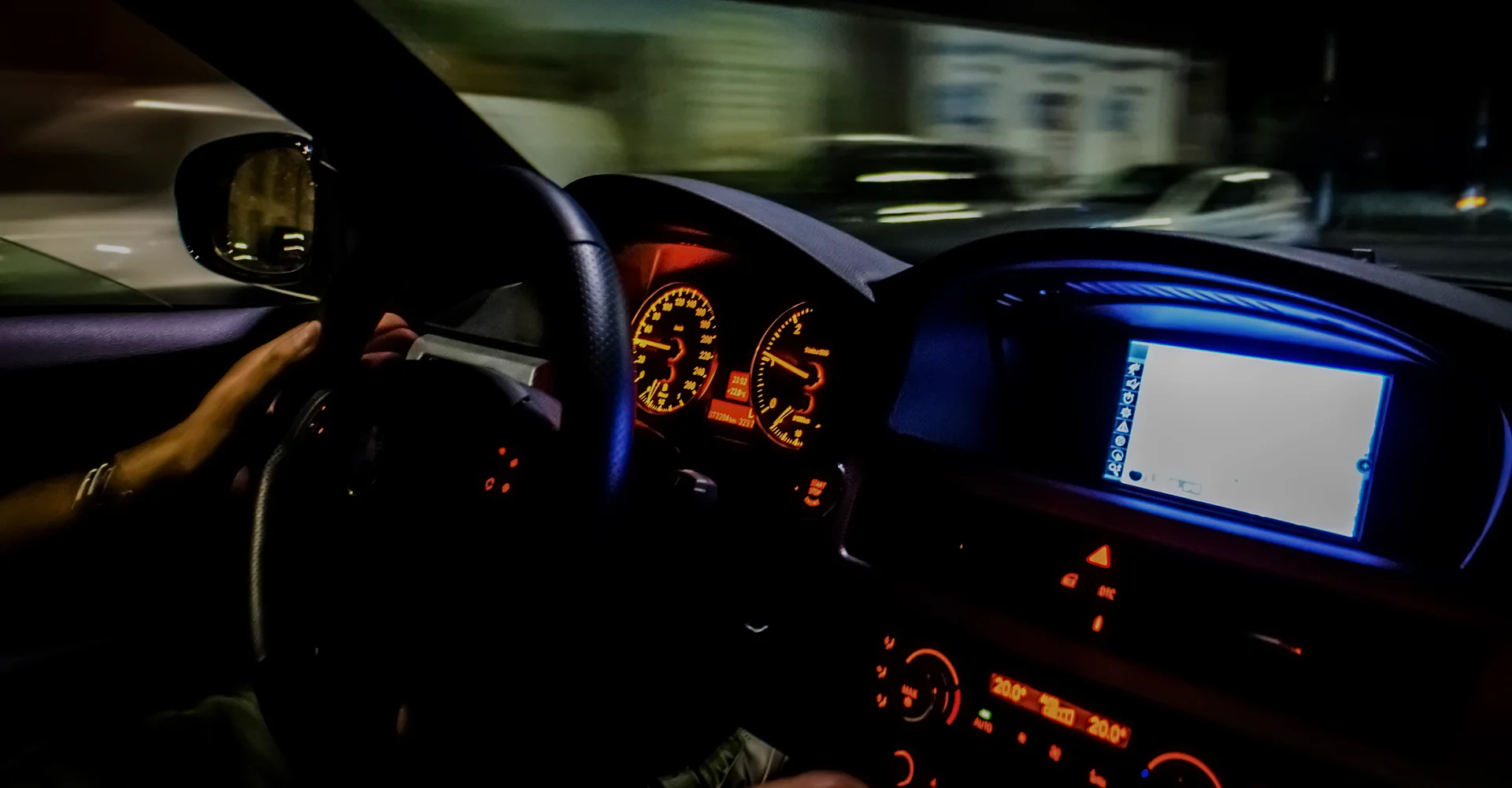
"AppMatic Tech took over a project with real issues and a deadline that could not move. Two months later the app was in the hands of our users for the festive season. The in-car UI quality and the streaming performance improvement were exactly what we needed."
Android Automotive Project Lead

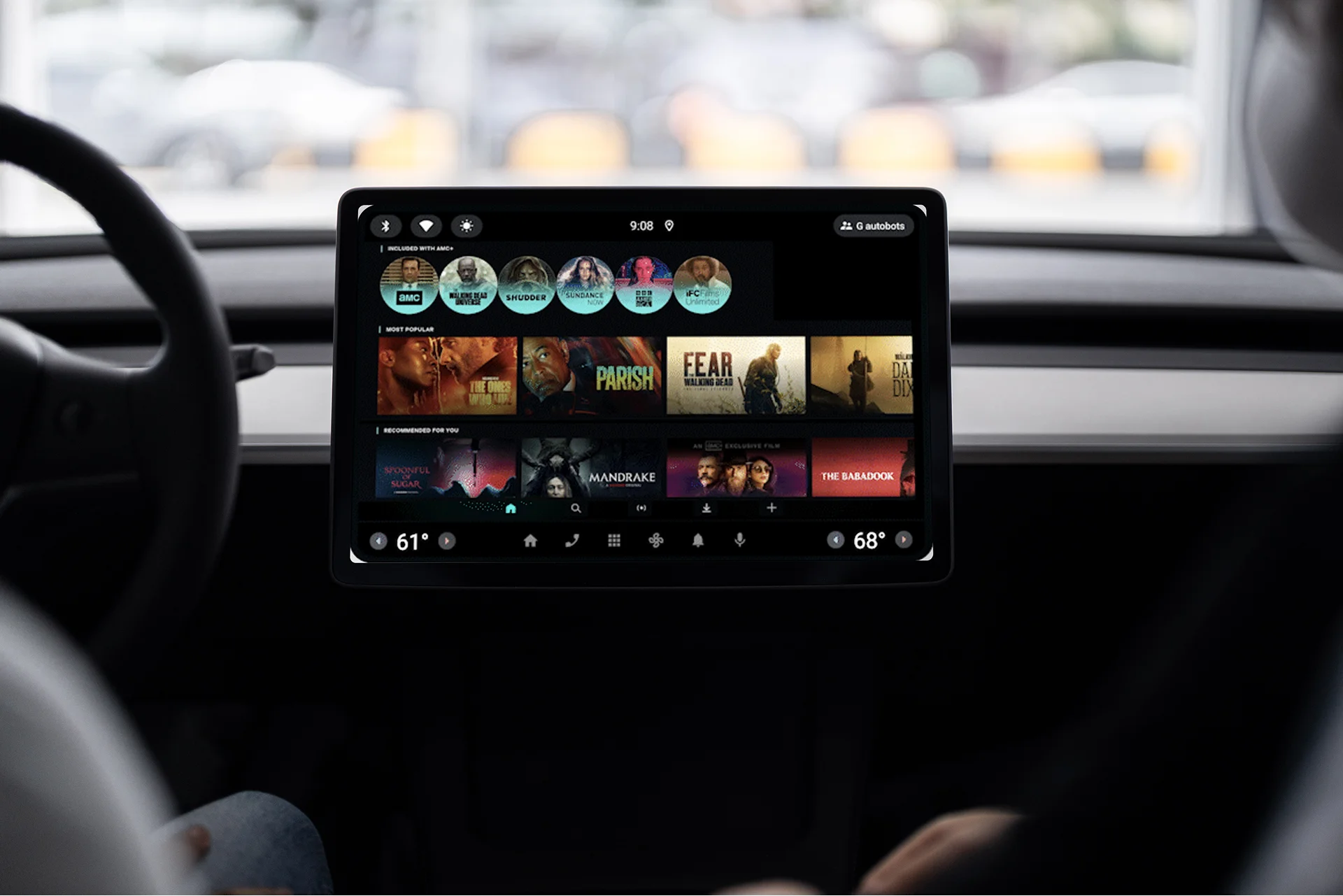
Android Automotive Project Outcomes
| Metric | Value |
|---|---|
| Engagement Duration | 2 months |
| Engagement Type | Mid-project rescue, issue resolution, UI enhancement, API optimisation |
| Potential Users | 100,000,000+ |
| Launch | On-time festive season release |
| Platform | Android Automotive OS (native Kotlin) |
| Client | Leading Indian FM and music streaming platform (name withheld) |
Android Automotive Tech Stack
- Kotlin
- Native Android Automotive app language
- Android
- Android platform SDK
- Android Automotive OS
- Vehicle head unit platform
- Streaming API
- Music and FM radio streaming


Security Architecture on the Android Automotive App
- Authenticated Streaming Sessions
AppMatic Tech implemented authenticated session management for all streaming API calls within the Android Automotive app, ensuring music and FM radio streams were only accessible to verified, logged-in users. Session tokens were managed securely within the Android Automotive OS credential storage layer.
- API Credential Protection
All streaming and content API credentials were managed at the session layer with no hardcoding in the Android Automotive app binary, reducing credential exposure risk in the vehicle-deployed distribution environment.
- Token-Based Session Expiry
User authentication used token-based sessions with server-side expiry, ensuring streaming access and in-car user preferences were scoped to the verified account and terminated appropriately on session end.
- In-Car Data Minimisation
AppMatic Tech implemented the Android Automotive app to avoid persisting personally identifiable user data on the vehicle's head unit storage. Playback preferences and history were synced to the platform backend, not stored locally on the vehicle.
- Driver Safety Compliance
AppMatic Tech implemented Android Automotive OS driver distraction guidelines across all interactive UI elements, limiting interaction complexity while the vehicle is in motion and enforcing the touch target and content visibility standards required for vehicle head unit deployment certification.
 Authenticated Streaming Sessions
 API Credential Protection
 Token-Based Session Expiry
 In-Car Data Minimisation
 Driver Safety Compliance
How AppMatic Tech Delivered the Android Automotive App in Two Months
- Codebase Audit and Issue Diagnosis
AppMatic Tech assessed the inherited Android Automotive OS codebase, reproduced the critical issues blocking the festive season release, mapped their root causes across the UI rendering, API, and playback layers, and produced a prioritised resolution plan ordered by release-blocking severity.
Days 1 to 7
- Critical Issue Resolution
AppMatic Tech resolved the release-blocking issues across the Android Automotive codebase, covering UI rendering failures, API instability, and playback problems, bringing the app to a stable, testable baseline as the prerequisite for UI enhancement and optimisation work.
Days 5 to 25 - In-Car UI Enhancement
AppMatic Tech enhanced the in-car UI to Android Automotive OS standards, applying large touch targets, glanceable content hierarchy, driver-safe interaction patterns, and large-screen layout adaptations, validated against Android Automotive driver distraction guidelines throughout.
Days 20 to 40 - Streaming API Optimisation and Integration QA
AppMatic Tech optimised the streaming API layer for in-vehicle network conditions, covering request caching, response handling, and playback buffer management, and ran full integration QA across music playback, FM radio, media browsing, and user authentication flows.
Days 35 to 50 - Festive Season Release Delivery
AppMatic Tech completed release QA, prepared the Android Automotive OS app store submission package, and delivered the on-time festive season release, meeting the commercially non-negotiable launch window for a platform with over 100 million potential users.
Days 48 to 60
Services Behind This Build
The Android Automotive OS infotainment app combined native Kotlin engineering with automotive-grade UI/UX design. Explore the AppMatic Tech services and the Automotive hub that map directly to this product build.



Explore More Craft
Explore More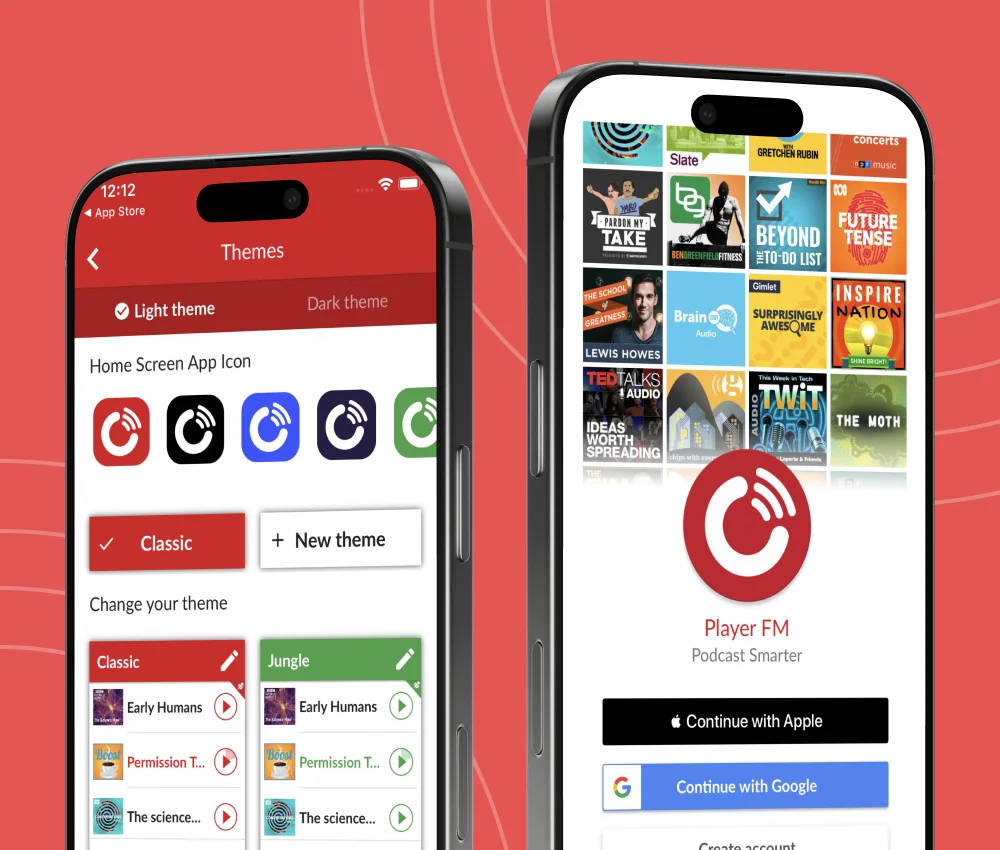
Player FM
Hungry Hub
Build or Rescue an Android Automotive App with AppMatic Tech
All projects begin with a no-cost Discovery and Technical Scoping session. Contact the team at contact@appmatictech.com.
Start the Conversation